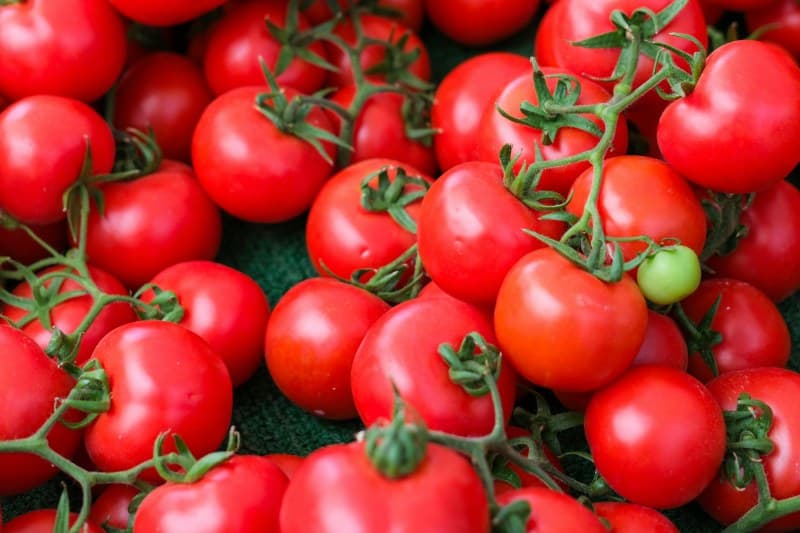
Last week, my roommate Sarah stared at her bubbling tomato sauce,眉头 furrowed. ‘It’s too tart,’ she said, grabbing a sugar bowl. ‘My mom always added sugar to fix this.’ But does sugar actually cut acidity? Or is it just a myth we’ve passed down like family recipes?
The Truth About Sugar and Tomato Sauce Acidity
Sugar doesn’t neutralize acidity—it masks it with sweetness. Your sauce might taste balanced at first, but the acid lingers, which can upset sensitive stomachs. For a true fix, you need methods that either neutralize acid or soften its impact. Here’s how 4 common acidity-fixing methods stack up:
| Method | How It Works | Pros | Cons |
|---|---|---|---|
| Sugar | Masks acidity with sweetness | Easy to find, quick to add | Doesn’t neutralize acid; risks over-sweetening |
| Baking Soda | Chemically neutralizes acid | Fast, effective | Can leave a soapy aftertaste if overused |
| Carrot | Absorbs acid and adds mild sweetness | Natural, enhances flavor | Takes 10-15 mins to cook down |
| Butter | Coats taste buds to soften acidity | Adds richness, smooth texture | Not vegan; adds calories |
4 Tomato Sauce Myths Debunked
Myth 1: You need to cook sauce for hours to get depth
Truth: If you use ripe, high-quality tomatoes (canned is often better!), 30-45 mins is enough. Overcooking can break down the tomato’s natural sugars and make the sauce bitter. My aunt used to simmer her sauce for 6 hours until she tried San Marzano canned tomatoes—she cut the time to 45 mins, and her family said it tasted more vibrant.
Myth 2: Canned tomatoes are inferior to fresh
Truth: Canned tomatoes are picked at peak ripeness and processed immediately, locking in flavor. Out-of-season fresh tomatoes (like the watery ones from the grocery store in winter) can’t compete. I once made a sauce with fresh tomatoes in January—it was bland until I swapped in canned San Marzanos.
Myth3: Adding dairy will curdle the sauce
Truth: Curdling happens when you add cold dairy to boiling sauce. If you warm the dairy first (or add it slowly to a simmering sauce), it won’t curdle. A dollop of heavy cream or a handful of parmesan can balance acidity and add creaminess—last month, I fixed a too-tart sauce with cream and it turned out perfect.
Myth4: Salt makes sauce more acidic
Truth: Salt enhances flavor, including the natural sweetness of tomatoes. A pinch early in cooking draws out the tomato’s best notes, making the sauce taste less tart. I once forgot to add salt to my sauce—it was flat and overly acidic until I added a pinch at the end.
A Classic Quote to Remember
“Cooking is like love; it should be entered into with abandon or not at all.” — Harriet Van Horne
This quote reminds us to experiment. Don’t be afraid to skip the sugar and try a carrot or butter instead. Cooking is about learning, not following rules blindly.
Quick FAQ
Q: What if my sauce is too sweet from adding too much sugar?
A: Add a tiny splash of acid—like lemon juice or apple cider vinegar. Start with 1/4 tsp and taste until the sweetness is balanced. It’s a simple fix for over-sweetened sauce!
Next time you make tomato sauce, skip the sugar and try one of the acidity-fixing methods from the table. You might be surprised by how much more balanced and flavorful your sauce turns out.