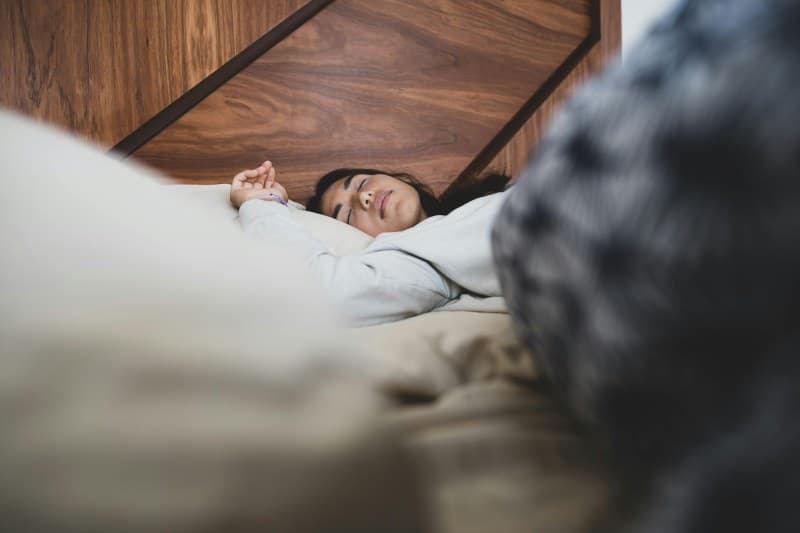
Let’s start with Sarah’s story: A 32-year-old teacher, she’d always heard 8 hours of sleep was non-negotiable. So she forced herself to stay in bed until 7 AM even though she naturally woke at 6. For months, she dragged through her days, sipping extra coffee and feeling irritable. Then she tried letting her body set its own schedule: She went to bed when tired and woke without an alarm. Turns out, she needs 7 hours—not 8—to feel her best. Sarah’s experience highlights a big myth about sleep: that one number fits all.
The Truth About 8 Hours of Sleep
The 8-hour rule is a guideline, not a hard rule. The National Sleep Foundation recommends 7-9 hours for adults, but individual needs vary. Factors like age, genetics, activity level, and health all play a role. For example, a 19-year-old athlete might need 9-10 hours, while a 65-year-old retiree could thrive on 7.
7 Common Sleep Duration Myths Debunked
Let’s break down the most persistent myths and their realities:
| Myth | Truth |
|---|---|
| 8 hours is mandatory for everyone. | Needs range from 7-9 hours for adults; some people need more or less. |
| You can train your body to need less sleep. | Chronic sleep deprivation leads to health issues like weakened immunity and mood swings. |
| Older adults need less sleep. | Older adults need the same amount but may have trouble staying asleep. |
| Napping makes up for lost nighttime sleep. | Short naps (20-30 mins) help, but they don’t replace full nighttime rest. |
| Sleeping more than 8 hours is lazy. | Some people naturally need 9+ hours; excess sleep could signal health issues like depression. |
| Weekend catch-up sleep fixes weekday deprivation. | It helps temporarily but disrupts your circadian rhythm long-term. |
| All sleep is equal. | Deep sleep and REM sleep are critical; quality matters as much as quantity. |
How to Find Your Ideal Sleep Length
Wondering how much sleep you need? Try this experiment: For a week (when you don’t have to wake up early), go to bed when you’re tired and wake up without an alarm. Note how many hours you sleep each night and how you feel during the day. The average of those hours is likely your ideal length.
Sleep is the best meditation. — Dalai Lama
This quote reminds us that sleep isn’t just about checking a box. It’s a vital part of self-care, and quality (like deep, uninterrupted rest) is as important as how many hours you clock.
FAQ: Your Sleep Questions Answered
Q: Can I function well on 6 hours of sleep?
A: Some people (called “short sleepers”) have a genetic mutation that allows them to thrive on 6 hours or less. But for most, 6 hours is insufficient and leads to cognitive decline over time. If you’re consistently sleeping 6 hours and feeling okay, check with a doctor to rule out underlying issues.
Final Thoughts
Sleep isn’t a one-size-fits-all equation. Instead of fixating on 8 hours, listen to your body. If you wake up feeling refreshed and have energy throughout the day, you’re probably getting enough. And if you’re struggling, small changes—like a consistent bedtime or avoiding screens before bed—can make a big difference. Remember: Good sleep is an investment in your overall wellness.