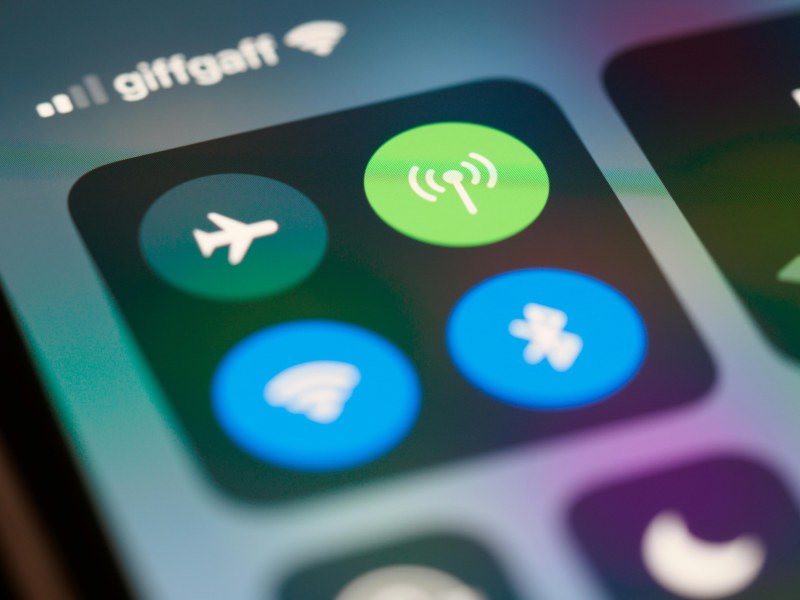
Last month, my friend tried to stream her favorite show on the bus using 5G. She expected lightning-fast speeds, but the video kept buffering. When she got home, she switched to her Wi-Fi and it played instantly. That got her wondering: Is 5G really faster than Wi-Fi everywhere? Let’s break it down.
5G vs Wi-Fi: Speed Showdown in Real Scenarios
5G’s speed isn’t a one-size-fits-all number. It depends on signal strength, network congestion, and the frequency band (low, mid, or high). Wi-Fi, too, varies based on router type, distance from the router, and how many devices are connected. Here’s how they stack up in common situations:
| Scenario | 5G Performance | Wi-Fi Performance |
|---|---|---|
| Public coffee shop (congested) | Slow—many users share the same 5G tower, leading to bottlenecks. | Faster if the shop has a modern Wi-Fi 6 router with enough bandwidth. |
| Home (strong signal) | mmWave 5G (high band) can hit 1Gbps+, but struggles with walls. | Wi-Fi 6 router delivers 1–2Gbps indoors, with consistent coverage. |
| Rural area | Often unavailable—5G towers are less common in remote places. | Reliable if connected to fiber or a good DSL line. |
Two Persistent 5G Myths Debunked
Myth 1: 5G works everywhere
5G uses three frequency bands: low (covers far but slow), mid (balance of speed and range), and high (mmWave—super fast but short range). In dense cities, you might get mmWave, but in suburbs or rural areas, you may only have low-band 5G (which is barely faster than 4G). If there’s no 5G tower nearby, you won’t get any 5G at all.
Myth 2: 5G will replace Wi-Fi
Wi-Fi is still king indoors. 5G signals have trouble穿透 walls and furniture, so your home Wi-Fi (especially Wi-Fi 6) will always be more reliable for streaming, gaming, or working from home. Plus, Wi-Fi is free (once you have a router) while 5G plans can be expensive for heavy use.
“Technology is a useful servant but a dangerous master.” — Christian Lous Lange
This quote reminds us that 5G is a powerful tool, but it doesn’t replace Wi-Fi. A small business owner I know uses Wi-Fi for in-store POS systems and inventory tools (stable, no data charges) and 5G for delivery drivers (to stay connected on the road). That’s the sweet spot: using each tech where it shines.
FAQ: Can 5G ever beat home Wi-Fi?
Q: I have a 5G phone—can it be faster than my home Wi-Fi?
A: It depends. If you live in an area with strong mmWave 5G and your Wi-Fi router is old (like Wi-Fi 4), 5G might be faster. But if you have a modern Wi-Fi 6 router, the speeds are usually comparable or better. For example, my neighbor has a Wi-Fi 6 router and gets 1.5Gbps indoors, while his 5G phone only hits 800Mbps at home (due to wall interference).
At the end of the day, 5G and Wi-Fi are teammates, not rivals. Use 5G when you’re on the go and need mobility, and Wi-Fi when you’re at home or in a place with a reliable network. That way, you’ll always have the fastest, most stable connection possible.