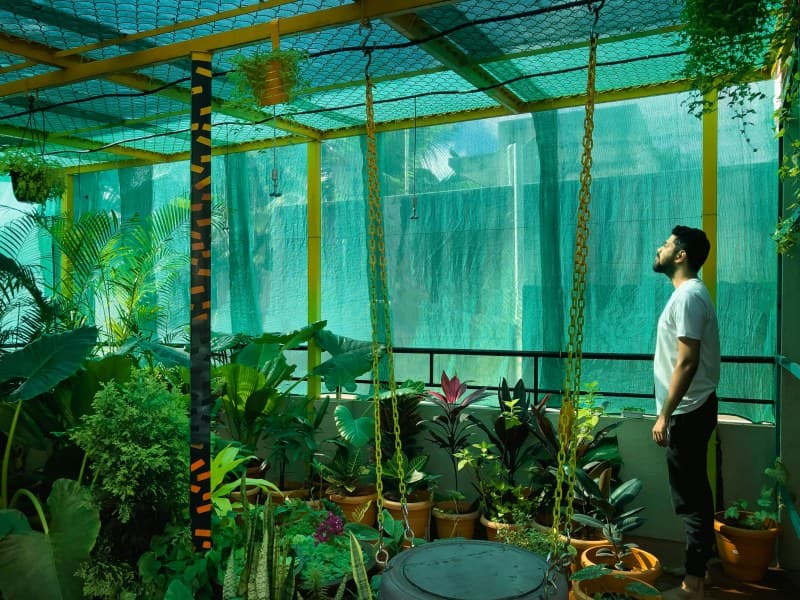
Imagine walking into your living room and spotting your favorite pothos with a few yellow leaves peeking through the green. It’s a common panic moment for plant parents—what did I do wrong? Yellow leaves aren’t a death sentence; they’re your plant’s way of sending a message. Let’s break down the most common causes and how to fix them.
7 Common Causes of Yellow Leaves (And Their Fixes)
Every plant problem has a clue. Here’s a quick reference to help you diagnose and treat your yellow-leafed plants:
| Cause | Key Signs | Quick Fix |
|---|---|---|
| Overwatering | Yellow, mushy leaves; soil stays wet; root rot smell | Let soil dry completely; repot with well-draining soil; reduce watering frequency |
| Underwatering | Yellow, crispy edges; soil is bone dry; leaves curl | Water thoroughly until it drains out the bottom; set a watering schedule |
| Too Much Light | Yellow leaves with brown, sunburned spots; leaves fade | Move plant to a spot with indirect light; use a sheer curtain to filter sunlight |
| Too Little Light | Pale yellow leaves; leggy growth (long stems with few leaves) | Place near a bright window; add a grow light if natural light is limited |
| Nutrient Deficiency | Older leaves turn yellow first; yellow between veins (for iron deficiency) | Feed with a balanced houseplant fertilizer; check soil pH for iron issues |
| Pest Infestation | Yellow leaves with tiny bugs (aphids, spider mites); sticky residue on leaves | Wipe leaves with soapy water; use neem oil for severe infestations |
| Temperature Stress | Yellow leaves with drooping; happens after exposure to cold drafts or hot vents | Move plant away from windows, vents, or doors; keep temperature between 65-75°F (18-24°C) |
Last month, my friend Sarah called me panicking—her beloved snake plant, which had thrived for years, suddenly had yellow leaves at the base. She’d been watering it every other day, thinking more water meant more love. Turns out, snake plants hate wet feet—overwatering was the culprit. After letting the soil dry out completely and repotting with cactus mix (a well-draining option), her plant bounced back in a few weeks. The yellow leaves fell off, and new green growth sprouted within a month.
Preventing Yellow Leaves: Proactive Care Tips
Prevention is better than cure. Here are a few habits to keep your plants happy:
- Check soil moisture first: Stick your finger 1-2 inches into the soil—only water if it’s dry.
- Know your plant’s light needs: Succulents love bright light, while ferns prefer shade.
- Don’t over-fertilize: Most houseplants only need fertilizer once every 2-4 weeks during the growing season (spring and summer).
Classic Wisdom for Plant Parents
“A green thumb is just a brown thumb that never gave up.” — Unknown
This quote sums up plant parenthood perfectly. Even experienced gardeners have killed a few plants (I’ve lost a fern or two to overwatering). The key is to observe your plants, learn from mistakes, and keep trying. Yellow leaves are a lesson, not a failure.
Quick FAQ: Can Yellow Leaves Turn Green Again?
Q: I noticed yellow leaves on my pothos—will they turn green if I fix the problem?
A: Unfortunately, once a leaf turns yellow, it can’t revert to green. The chlorophyll (the pigment that gives leaves their green color) has already broken down. But don’t worry—by addressing the root cause (like adjusting watering or light), you can prevent more leaves from turning yellow and help your plant grow new, healthy foliage.
Final Thoughts
Yellow leaves are a common issue, but they’re easy to fix once you know what to look for. Remember to listen to your plants—they’ll tell you exactly what they need. Whether it’s less water, more light, or a little fertilizer, a few small changes can make a big difference. Happy planting!