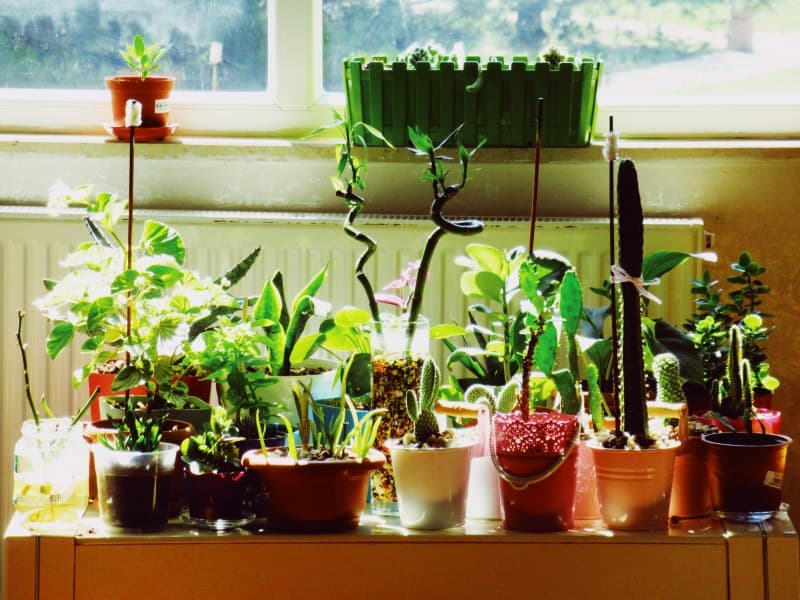
Last month, my friend Sarah bought a cute echeveria succulent and tucked it into her dark bathroom, thinking “succulents don’t need much light.” Two weeks later, it was leggy, pale, and on the brink of death—total heartbreak. She fell for one of the most common myths about indoor plant light. Let’s fix that.
Why Light Matters for Indoor Plants
Plants use light to make food via photosynthesis. Without enough (or the right type), they can’t grow, flower, or stay healthy. Signs of bad light include yellow leaves, leggy stems (stretching toward light), and no new growth. But not all plants need the same amount—understanding this is key to keeping your green friends happy.
6 Common Myths About Indoor Plant Light (Debunked)
- Myth 1: Succulents need no light. Truth: They thrive in bright, direct sunlight (6+ hours a day). Dark corners kill them.
- Myth 2: All plants love direct sunlight. Truth: Many (like pothos or snake plants) prefer indirect light—direct sun can burn their leaves.
- Myth 3: A window is enough for any plant. Truth: North-facing windows give low light; south-facing gives intense direct light. Match plants to window direction.
- Myth 4: Artificial light can’t replace natural light. Truth: Full-spectrum LED grow lights work great for low-light spaces.
- Myth 5: More light is always better. Truth: Overexposure causes leaf scorch and stress.
- Myth 6: Plants don’t need light in winter. Truth: Days are shorter, so you may need to move plants closer to windows or add grow lights.
How to Measure Light in Your Home
Not sure what light level your space has? Use this quick guide, and refer to the table below for plant picks:
| Light Level | Description | Example Spots | Plant Recommendations |
|---|---|---|---|
| Low | Dim, no direct sun (2-4 hours/day) | North-facing windows, corners away from windows | Snake plant, ZZ plant, parlor palm |
| Medium | Bright but indirect (4-6 hours/day) | East-facing windows, shaded south/west windows | Pothos, philodendron, Boston fern |
| High | Intense direct sun (6+ hours/day) | South/west-facing windows, unshaded balconies | Succulents, cacti, jade plant |
Pet-Safe Plants for Every Light Level
If you have cats or dogs, avoid toxic plants (like lilies or pothos). Here are safe options:
- Low light: Spider plant (non-toxic, easy to grow)
- Medium light: African violet (colorful flowers, pet-safe)
- High light: Boston fern (lush, safe for pets)
Classic Wisdom on Plants and Light
The glory of gardening: hands in the dirt, head in the sun, heart with nature. To nurture a garden is to feed not just the body, but the soul. — Alfred Austin
This quote reminds us that understanding light is part of nurturing our plants (and ourselves). When we give plants the right light, we’re not just keeping them alive—we’re helping them thrive.
FAQ: Can I Use Artificial Light for My Plants?
Q: I live in a basement with no natural light. Can I use LED grow lights to keep my plants alive?
A: Yes! Full-spectrum LED grow lights mimic natural sunlight and are energy-efficient. Place them 6-12 inches above your plants and leave them on for 12-16 hours a day (simulating a full day of sun). They work great for all plant types, from succulents to ferns.
With these tips, you’ll never kill a plant due to bad light again. Remember: Every plant has its own light needs—take a minute to research before bringing a new green friend home. Happy planting! 🌿