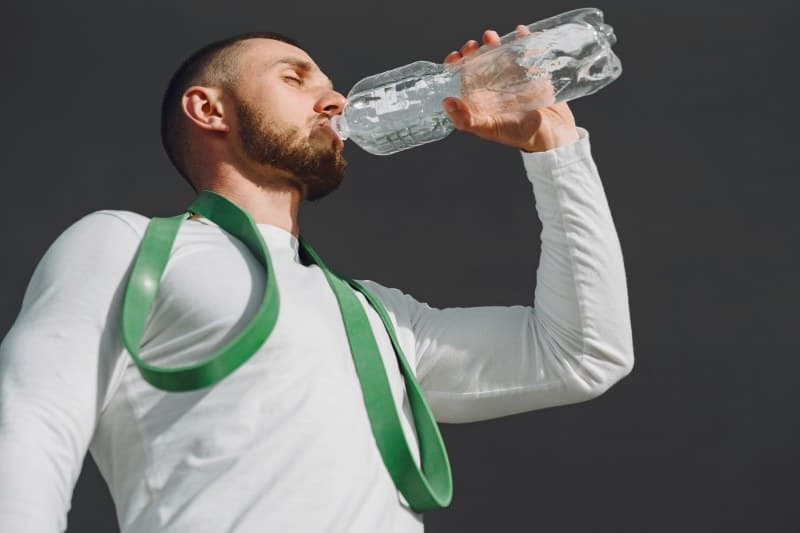
Imagine Sarah, a 34-year-old graphic designer, sitting at her desk at 3 PM. She’s staring at her screen, unable to focus, and just snapped at her colleague for asking a simple question. She thinks it’s stress or lack of sleep—but then she glances at her water bottle, which is still full from that morning. That’s when it hits her: she’s dehydrated.
The Two Key Ways Hydration Shapes Your Energy & Mood
Most of us know water is important, but do we understand how it directly impacts our daily performance and feelings? Let’s break down the two main ways:
1. Energy: Dehydration Slows Your Body’s Engine
Your body is about 60% water, and every cell needs it to function. When you’re dehydrated, your blood volume drops—meaning your heart has to work harder to pump oxygen and nutrients to your muscles and brain. This extra effort leaves you feeling tired and sluggish. Even a 1% loss of body water can reduce your energy levels by up to 10% (a stat backed by sports medicine research).
2. Mood: Thirst Triggers Irritability & Anxiety
Studies from the University of Connecticut found that mild dehydration (just 1-2% body weight loss) can increase feelings of anxiety, irritability, and difficulty concentrating. Why? Your brain is 73% water—so when it’s low on H2O, it can’t regulate neurotransmitters like serotonin (the "happy hormone") as effectively. That’s why Sarah snapped at her colleague: her brain was crying out for water.
Let’s compare the effects of mild dehydration vs being well-hydrated:
| Aspect | Mild Dehydration (1-2% body weight loss) | Well-Hydrated |
|---|---|---|
| Energy Levels | Sluggish, fatigued | Steady, sustained |
| Mood | Irritable, anxious | Calm, focused |
| Focus | Hard to concentrate | Sharp, clear |
| Physical Performance | Reduced strength/endurance | Optimal, less fatigue |
Common Hydration Myths (Debunked)
- Myth 1: You must drink 8 glasses a day. This is a generic rule—your needs depend on your activity level, climate, and body size. For example, someone working out in the sun needs more than a sedentary person in a cool office.
- Myth 2: Only water counts. Fruits (watermelon, oranges) and veggies (cucumber, lettuce) are 80-95% water. Herbal teas and low-sugar drinks also contribute to your daily intake.
"Water is the driving force of all nature." — Leonardo da Vinci
Da Vinci’s words ring true for our bodies too. Every function from digestion to brain activity relies on water. Ignoring our thirst is like trying to drive a car without gas—eventually, it stops working.
Practical Tips to Stay Hydrated
Staying hydrated doesn’t have to be complicated. Try these easy habits:
- Keep a reusable water bottle on your desk or in your bag—visible reminders help.
- Set small alarms on your phone to take a sip every hour.
- Add flavor to water with lemon, mint, or berries if plain water bores you.
- Eat water-rich snacks like grapes or celery between meals.
FAQ: Your Hydration Questions Answered
Q: Can I drink too much water?
A: Yes, but it’s rare. Overhydration (hyponatremia) happens when you drink more water than your body can excrete, diluting sodium levels. This is mostly a risk for endurance athletes. For most people, listening to your body’s thirst cues is safe.
Going back to Sarah: After she started sipping water regularly, she noticed her afternoons were more productive, and she stopped snapping at her colleagues. Small changes in hydration can make a big difference in how you feel every day.