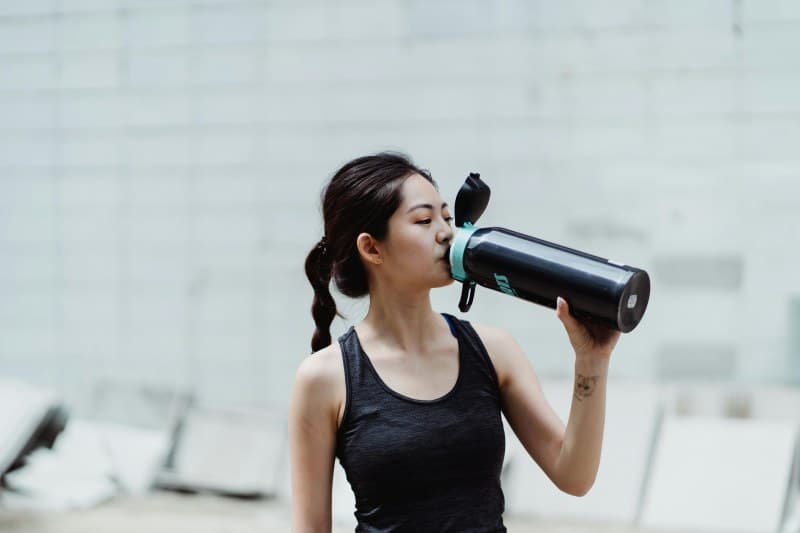
Let’s start with Sarah: a 32-year-old graphic designer who’s been feeling off lately. She’s got mid-afternoon headaches, her skin feels tight, and she can’t focus on her projects. She blames stress—until a friend points out she only drinks one cup of water a day (and the rest is coffee). Within a week of upping her water intake, her headaches are gone, and she’s back to crushing deadlines. Sound familiar? Most of us don’t realize how much our bodies depend on water.
6 Key Roles Water Plays in Your Body
Water isn’t just something to drink when you’re thirsty—it’s the backbone of every bodily function. Here’s a breakdown of its most critical jobs:
| Role | What It Does | Everyday Example |
|---|---|---|
| Regulates Temperature | Produces sweat to cool you down when you exercise or it’s hot. | After a 30-minute walk on a sunny day, you sweat to keep your body from overheating. |
| Lubricates Joints | Forms synovial fluid, which cushions joints like knees and elbows. | When you bend to pick up a bag, synovial fluid prevents your knee bones from rubbing together. |
| Aids Digestion | Helps break down food and move it through your digestive tract. | Drinking water with a meal makes it easier for your body to absorb nutrients from your food. |
| Transports Nutrients | Carries vitamins, minerals, and oxygen to your cells. | Water delivers iron from your spinach salad to your red blood cells, keeping you energized. |
| Flushes Toxins | Supports kidney function by carrying waste products out of your body. | Your kidneys use water to filter out excess salt and urea, which you excrete as urine. |
| Supports Brain Function | Your brain is 73% water—hydration keeps it sharp and focused. | When you’re dehydrated, you might struggle to remember a friend’s phone number or stay concentrated in a meeting. |
Debunking 6 Common Hydration Myths
Let’s clear up some of the most persistent myths about drinking water:
- Myth 1: You must drink 8 glasses a day. Truth: There’s no one-size-fits-all rule. Factors like activity level, climate, and body size matter. For example, a construction worker in Texas needs more water than someone working a desk job in Alaska.
- Myth 2: Thirst means you’re already dehydrated. Truth: Mild thirst is your body’s way of saying it needs water—you’re not in crisis yet. But don’t wait until you’re parched to drink.
- Myth 3: Coffee and tea dehydrate you. Truth: Moderate intake (2-3 cups a day) doesn’t dehydrate most people. The water in these drinks outweighs any diuretic effect.
- Myth 4: Clear urine means you’re overhydrated. Truth: Pale yellow urine is ideal, but clear urine is usually fine if you’ve just had a large glass of water. It only becomes a problem if it’s constant and you’re feeling bloated.
- Myth 5: Only water counts as hydration. Truth: Fruits (watermelon, oranges), veggies (cucumber, lettuce), and soups all contribute to your daily fluid intake. A cup of watermelon is 92% water!
- Myth 6: Dehydration only affects physical health. Truth: Dehydration can make you irritable, anxious, or unable to focus. A 2019 study found even mild dehydration (1-2% of body weight) reduces cognitive performance.
Practical Tips to Stay Hydrated
Staying hydrated doesn’t have to be a chore. Try these simple tricks:
- Keep a reusable water bottle with you at all times—seeing it will remind you to drink.
- Add flavor to your water with lemon slices, mint leaves, or berries to make it more enjoyable.
- Eat water-rich foods: Aim for at least one water-heavy snack (like cucumber sticks) each day.
- Set reminders on your phone if you tend to forget to drink—even a quick “sip water!” alert works.
- Drink a glass of water before meals: It can help you eat less and stay hydrated.
“Water is the driving force of all nature.” — Hippocrates
This ancient wisdom still holds true today. Every cell in your body depends on water to function, so taking care of your hydration is one of the simplest ways to support your overall health.
FAQ: Common Hydration Questions
Q: Can I drink too much water?
A: Yes, but it’s rare. Overhydration (hyponatremia) happens when you drink more water than your body can excrete, diluting the sodium in your blood. It’s most common in endurance athletes who drink excessive water during long events. For most people, listening to your body and drinking when thirsty is safe.
Q: Does drinking water help with weight loss?
A: Indirectly. Drinking water before meals can reduce appetite, and staying hydrated boosts your metabolism slightly. It also replaces high-calorie drinks like soda or juice.
Remember: Hydration is a daily habit, not a one-time fix. Small changes—like keeping a water bottle handy—can make a big difference in how you feel.