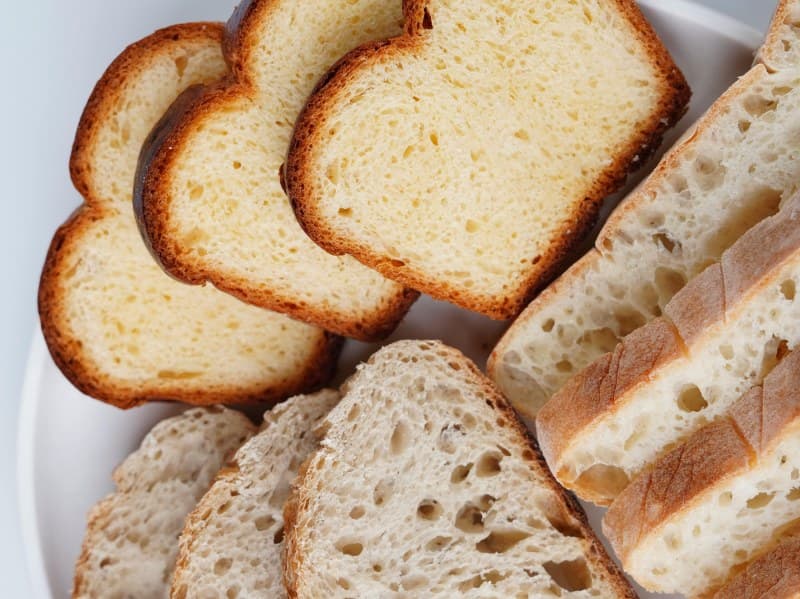
Ever skipped breakfast (no toast, no oatmeal) and found yourself yawning through your morning meeting? That’s your body crying out for carbs—its primary source of energy. Let’s break down how these often-misunderstood nutrients work, why they matter, and how to use them wisely.
How carbs turn into energy
When you eat carbs (like bread, rice, or fruit), your body breaks them down into glucose—simple sugar that travels through your bloodstream. Cells use glucose for immediate energy, and any extra gets stored as glycogen in your liver and muscles for later. Think of glycogen as your body’s backup battery for when you need a quick boost, like during a workout.
5 key roles carbs play in your body
Carbs do more than just give you energy. Here’s a breakdown of their essential functions:
| Role | What It Does | Example Food Source |
|---|---|---|
| Immediate Energy | Fuels daily tasks like walking or typing | Banana, white rice |
| Stored Energy | Reserves for intense activity (e.g., running) | Whole wheat bread, sweet potato |
| Brain Fuel | Feeds your brain (it can’t use fat or protein for energy) | Oatmeal, quinoa |
| Digestive Health | Fiber helps move food through your gut | Legumes, leafy greens |
| Muscle Recovery | Replenishes glycogen after workouts | Brown rice, Greek yogurt with fruit |
Common myths about carbs (debunked)
Myth 1: All carbs make you fat.
Truth: It’s not carbs themselves—it’s the type and amount. Refined carbs (like pastries) spike blood sugar and leave you hungry, leading to overeating. Complex carbs (whole grains) keep you full longer.
Myth 2: Carbs are bad for weight loss.
Truth: Cutting carbs entirely can lead to fatigue and nutrient gaps. Instead, swap refined carbs for whole ones to support sustainable weight loss.
Practical tips to choose better carbs
1. Opt for whole grains over refined: Swap white bread for whole wheat, white rice for brown.
2. Add fiber-rich carbs: Legumes, fruits, and veggies keep your gut happy.
3. Pair carbs with protein: Eating an apple with peanut butter slows glucose absorption, keeping energy steady.
A relatable story: Sarah’s carb epiphany
Sarah used to skip carbs to lose weight. She’d have a coffee for breakfast and feel sluggish by 10 AM. One day, she tried oatmeal with berries and nuts. She noticed she stayed focused through her meeting and didn’t crave a mid-morning snack. Now, she includes complex carbs in every meal and feels more energized.
“Let food be thy medicine and medicine be thy food.” — Hippocrates
This ancient wisdom rings true for carbs: choosing the right ones can fuel your body and support your health, while the wrong ones can leave you feeling off.
FAQ: Do I need carbs if I’m trying to lose weight?
Q: I want to lose weight—should I cut out all carbs?
A: No. Carbs are essential for energy and brain function. Instead, focus on portion control and choosing complex carbs (like quinoa or sweet potatoes) that keep you full. This helps you avoid overeating and supports long-term weight loss.
Carbs aren’t the enemy—they’re a key part of a balanced diet. By understanding how they work and making smart choices, you can fuel your body and feel your best.