Sarah stared at her flat sourdough loaf, confused. She’d followed the recipe to the letter, but the dough hadn’t risen an inch. Was her yeast dead? Or did she do something wrong? If you’ve ever struggled with yeast in baking, you’re not alone. Yeast is a tiny, living organism that can feel like a mystery—but once you understand how it works, you’ll be making fluffy bread and light pastries in no time.
What Is Yeast, and How Does It Work?
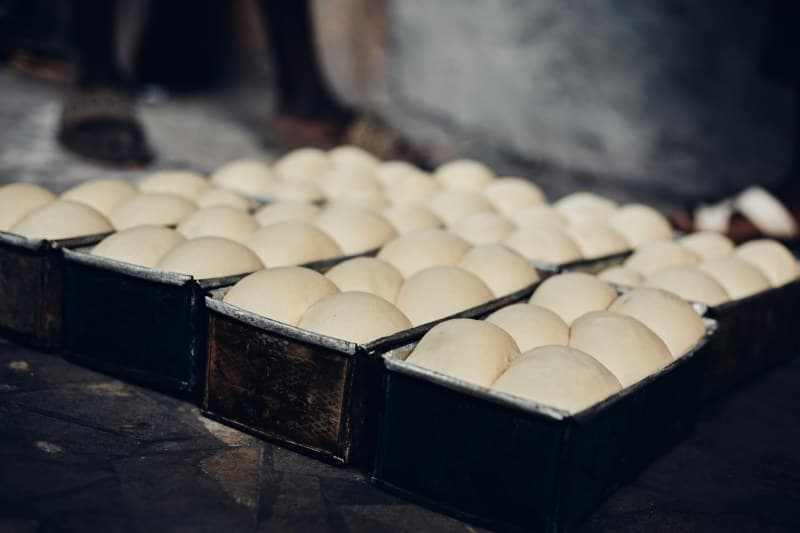
Yeast is a single-celled fungus that feeds on sugar. When it’s in a warm, moist environment (like dough), it breaks down sugars into carbon dioxide (CO2) and alcohol. The CO2 bubbles get trapped in the dough, making it rise—giving bread its airy texture. The alcohol evaporates during baking, leaving behind that delicious, slightly tangy flavor.
7 Common Yeast Myths Debunked 🍞
- Myth 1: Yeast is only for bread. Truth: Yeast is used in beer, wine, and even some desserts like cinnamon rolls or brioche.
- Myth 2: Hot water activates yeast faster. Truth: Water over 110°F (43°C) kills yeast. Use lukewarm water (95–105°F/35–40°C) instead.
- Myth 3: You don’t need to proof active dry yeast. Truth: Proofing (mixing with warm water + sugar) checks if yeast is active—critical for success.
- Myth 4: Instant yeast can’t be proofed. Truth: It can, but it’s not necessary. You can mix it directly into dry ingredients.
- Myth 5: Yeast dies in the fridge. Truth: Fresh yeast lasts 2–3 weeks in the fridge; active dry/instant last months in the pantry.
- Myth 6: More yeast = faster rise. Truth: Too much yeast leads to a yeasty, bitter flavor and a collapsed loaf.
- Myth 7: Yeast is always gluten-free. Truth: Most yeast is gluten-free, but check labels—some brands process it with gluten-containing grains.
Not sure which yeast to use? Here’s a quick comparison:
| Yeast Type | Pros | Cons | Best For |
|---|---|---|---|
| Active Dry Yeast | Long shelf life, easy to find | Requires proofing | Breads, rolls, pizza dough |
| Instant Yeast | No proofing needed, fast rise | Slightly more expensive | Quick breads, pastries |
| Fresh Yeast | Strong flavor, best rise | Short shelf life, hard to find | Artisanal breads, sourdough starters |
Pro Tips for Working with Yeast 💡
- Always check the expiration date—old yeast may not be active.
- For proofing, add a teaspoon of sugar to warm water; it feeds the yeast and helps it bubble.
- If your dough isn’t rising, check the room temperature—yeast needs 75–85°F (24–29°C) to thrive.
- Store active dry yeast in an airtight container in the pantry; fresh yeast in the fridge.
“The only real stumbling block is fear of failure. In cooking, you’ve got to have a what-the-hell attitude.” — Julia Child
This rings true for yeast baking. Don’t let a flat loaf stop you—experiment, learn from mistakes, and soon you’ll master the art of yeast rising.
FAQ: Your Yeast Questions Answered
Q: Can I substitute instant yeast for active dry yeast?
A: Yes! Use a 1:1 ratio, but skip proofing—mix instant yeast directly into dry ingredients. If you proof it, it will still work.
Q: What if my yeast doesn’t bubble during proofing?
A: It’s dead. Toss it and use fresh yeast—your dough won’t rise otherwise.