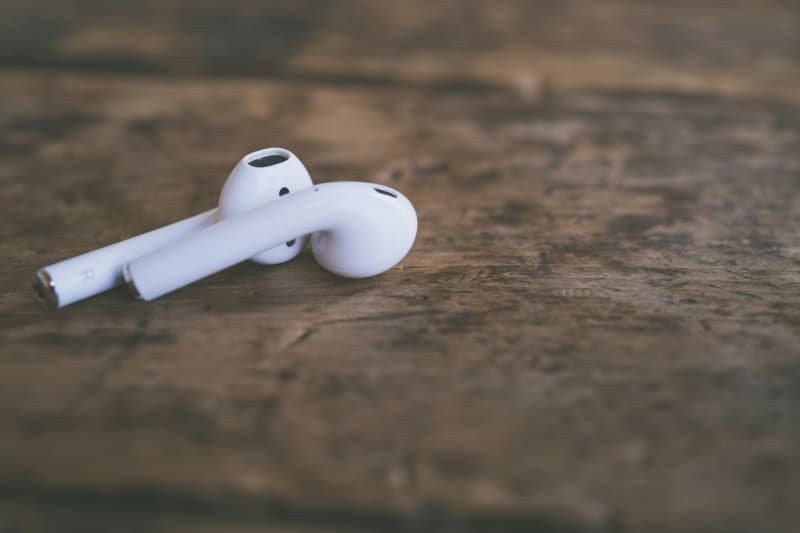
Last week, my friend Lila was at the gym, trying to pair her new wireless earbuds to her phone. She kept tapping the pairing button, but nothing happened—turns out she’d forgotten to turn off her old earbuds still connected to her phone. Sound familiar? Wireless earbuds are everywhere, but how do they actually connect, and why do they sometimes act up?
How Wireless Earbuds Connect to Your Device
Most wireless earbuds use Bluetooth, a short-range wireless technology that sends data between devices. Here’s the basic process: When you put your earbuds in pairing mode, they send out a signal. Your phone (or laptop) detects this signal and establishes a connection. Once paired, the device sends audio data to one earbud (usually the left or right), which then shares it with the other earbud via a secondary Bluetooth link.
6 Common Myths About Wireless Earbuds Debunked
- Myth: Wireless earbuds have worse sound quality than wired. Truth: Modern earbuds (like those with Bluetooth 5.2) offer high-resolution audio that’s almost indistinguishable from wired.
- Myth: You need to pair each earbud separately. Truth: Most earbuds pair as a single unit—just put both in pairing mode, and your device will connect to both at once.
- Myth: Wireless earbuds can’t work with non-Bluetooth devices. Truth: You can use a Bluetooth adapter (like a 3.5mm jack adapter) to connect them to old TVs or MP3 players.
- Myth: Closing background apps saves battery on earbuds. Truth: Earbuds use battery based on usage (playing music, calls) — background apps on your phone don’t affect earbud battery.
- Myth: All wireless earbuds are waterproof. Truth: Check the IP rating—IPX4 means splash-resistant, but IPX7 is fully waterproof. Don’t take your earbuds swimming unless they’re rated for it!
- Myth: Bluetooth signals are harmful to health. Truth: The World Health Organization (WHO) states that Bluetooth devices emit low levels of radiation, well below safe limits.
Which Bluetooth Version Is Best for Your Earbuds?
Not all Bluetooth versions are the same. Here’s a quick comparison:
| Bluetooth Version | Range | Latency (Audio Delay) | Best For |
|---|---|---|---|
| 5.0 | Up to 800ft (240m) | ~40ms | Everyday use (music, calls) |
| 5.1 | Same as 5.0 | ~20ms | Gaming (low delay) |
| 5.2 | Same as 5.0 | ~10ms | High-res audio, VR |
Practical Tips to Get the Most Out of Your Wireless Earbuds
- 💡 Charge them right: Don’t overcharge—unplug once fully charged to extend battery life.
- 🔋 Keep firmware updated: Manufacturers often release updates to fix connectivity issues.
- 📶 Avoid interference: Keep earbuds away from microwaves or Wi-Fi routers (they use the same 2.4GHz frequency).
“Technology is best when it brings people together.” — Matt Mullenweg
This quote rings true for wireless earbuds. They let us share music with friends (by pairing two sets to one device) or take hands-free calls while cooking—making daily life easier and more connected.
FAQ: Common Wireless Earbud Questions
Q: Why do my earbuds disconnect when I walk away from my phone?
A: Bluetooth has a limited range (usually 30ft for older versions, up to 800ft for 5.0+). If you step out of range, the connection drops. Try moving closer to your device, or check if there are obstacles (like walls) blocking the signal.
Q: Can I use wireless earbuds on a plane?
A: Yes! Most airlines allow Bluetooth devices during flight (once the plane reaches cruising altitude). Just follow the crew’s instructions.
Final Thoughts
Wireless earbuds are a game-changer, but they’re not without quirks. By understanding how they connect and debunking common myths, you can enjoy seamless audio without the frustration. Next time your earbuds act up, remember Lila’s gym story—check for other connected devices first!