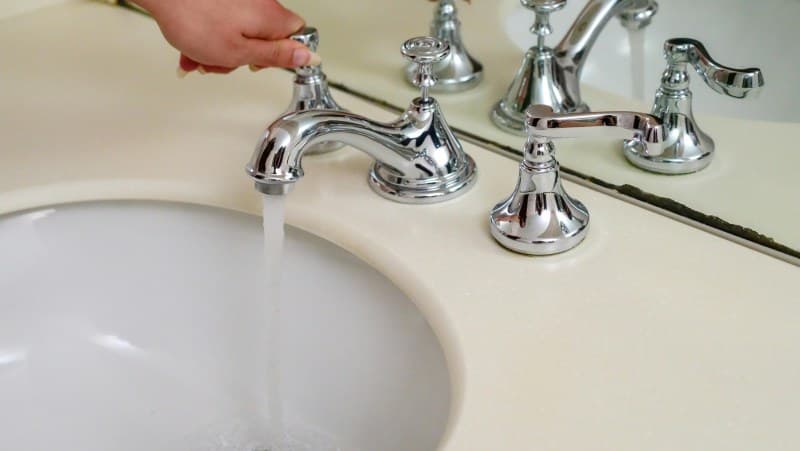
Last month, my roommate’s kitchen sink clogged 30 minutes before her dinner party. She rummaged through the cabinet for drain cleaner—nothing. Panic set in… until I remembered the baking soda-vinegar trick we’d used once before. Ten minutes later, the water drained like new, and her guests never knew there’d been a crisis. If you’ve ever faced a clogged sink (and who hasn’t?), harsh chemicals aren’t the only answer. Here are 4 chemical-free ways to fix the problem, with all the details you need to choose the right one.
4 Chemical-Free Sink Unclogging Methods
Each method works best for different types of clogs (food scraps, grease, hair). Let’s break them down:
1. Baking Soda & Vinegar (The Fizzy Fix)
This is the go-to for grease or mild food clogs. Mix 1/3 cup baking soda with 1/2 cup white vinegar. Pour into the drain, then cover with a plug to trap the fizz. Wait 15–20 minutes, then flush with boiling water (if your pipes are metal—skip for plastic).
2. Plunger (The Classic Push)
For solid clogs (like food bits), a sink plunger (not a toilet one!) works wonders. Seal the overflow hole (with a rag or plug) to create suction. Plunge up and down firmly 10–15 times. If the water starts draining, you’re good to go.
3. Wire Hanger (The Fish-Out)
Great for hair clogs in bathroom sinks. Unbend a wire hanger, leave a small hook at the end. Push it down the drain, twist gently, and pull up to remove the clog. Be careful not to scratch your pipes!
4. Boiling Water (The Simple Pour)
Best for minor grease clogs. Boil a pot of water, then pour it slowly down the drain in 3–4 stages (wait 30 seconds between pours). The heat melts grease and flushes it away. Note: Don’t use this on plastic pipes—it can melt them.
Method Comparison Table
Here’s how the 4 methods stack up:
| Method | Tools Needed | Cost | Time | Pros | Cons |
|---|---|---|---|---|---|
| Baking Soda & Vinegar | Baking soda, vinegar, plug | $0–$2 (if no supplies) | 20 mins | Eco-friendly, works on grease | Slow, not for solid clogs |
| Plunger | Sink plunger, rag | $5–$10 (if no plunger) | 5 mins | Fast, solid clogs | Messy, needs suction |
| Wire Hanger | Wire hanger | $0 | 10 mins | Free, removes visible clogs | Risk of pipe scratches |
| Boiling Water | Pot, stove | $0 | 5 mins | Super simple, fast | Not for plastic pipes, minor clogs only |
Classic Wisdom for Clog Prevention
“An ounce of prevention is worth a pound of cure.” — Benjamin Franklin
This quote hits home for sink clogs. The easiest way to avoid them is to prevent clogs in the first place: don’t pour grease down the drain (collect it in a jar), use a drain strainer to catch food bits, and avoid flushing hair down the bathroom sink.
Common Question: What If None of These Work?
Q: I tried all 4 methods, but my sink is still clogged. What now?
A: If the clog is deep (like a toy stuck in the pipe) or made of something hard, you might need a plumber. Most minor clogs (grease, food, hair) will respond to one of these methods, but if not, it’s time to call a professional. They have tools like augers that can reach deep clogs.
Next time your sink clogs, skip the harsh chemicals. Try one of these methods—you might be surprised at how effective they are. And remember: prevention is key to keeping your drains flowing smoothly!