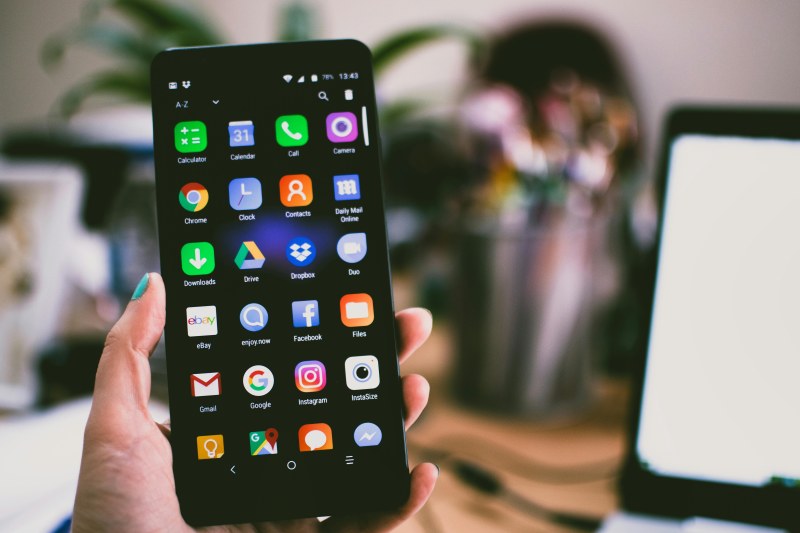
Last month, I returned from a weekend hike with 200+ photos of mountain views and silly group selfies. My phone’s storage was flashing red, and I needed to get those memories to my laptop fast. I tried a wireless app but it kept crashing, then remembered the old USB cable. Turns out, there are only two go-to methods for this task, each with its own perks and pitfalls.
Two Reliable Methods for Photo Transfer
1. USB Cable Transfer (Wired)
This old-school method is still one of the most dependable. Plug your phone into your computer using a USB cable, select "File Transfer" mode on your phone (usually a pop-up option), then navigate to your phone’s photo folder on your computer. Drag and drop the photos to your desired folder—done.
2. Wireless Transfer (Cloud or App)
For cable-free convenience, use a cloud service like Google Photos or iCloud, or an app like AirDrop (for Apple devices). Upload photos to the cloud from your phone, then download them to your computer. AirDrop lets you send photos directly if both devices are on the same Wi-Fi network.
Let’s break down the pros and cons of each method side by side:
| Feature | USB Cable Transfer | Wireless Transfer |
|---|---|---|
| Speed | Fast (ideal for large batches) | Depends on Wi-Fi (slower for big files) |
| Quality | No loss (original resolution) | May compress if not set to original |
| Convenience | Requires cable (risk of loss) | No cables (use anywhere with Wi-Fi) |
| Cost | Free (if you have a cable) | Free (cloud storage may have limits) |
"The simplest solution is often the best." — Sir Isaac Newton
This quote hits home for photo transfer. The USB cable—simple, no extra apps—often saves the day when you need to move a lot of photos quickly. My friend Sarah learned this the hard way: she tried to transfer 500 wedding photos via a wireless app, but her Wi-Fi cut out halfway, losing half the transfer. She switched to USB and finished in 10 minutes.
Common Question Answered
Q: Will transferring photos from my phone to computer reduce their quality?
A: It depends on the method. USB transfer preserves original quality. For wireless, ensure cloud services are set to "original quality" (many default to compressed to save space). AirDrop keeps original quality for Apple devices.
Myth Busting
Myth: Wireless transfer is always slower than USB.
Fact: With a fast 5G Wi-Fi connection, wireless transfer can be almost as fast as USB for small batches. But for large files (like 4K videos or 100+ high-res photos), USB still wins.
Whether you choose wired or wireless, pick the method that fits your needs. For quick, large transfers, go with USB. For cable-free convenience, wireless is your friend. Now you can free up your phone storage without stress!