Last summer in Kyoto, I stood in the crowd at Fushimi Inari, snapping the same red torii gate photo everyone else had. It looked fine, but it didn’t feel like my trip. Later that day, I wandered off the main path and found a tiny tea shop where an elderly woman folded origami while her grandson stirred matcha. I asked permission, then took a photo of her weathered hands holding a paper crane next to a chipped teacup. That photo still makes me smile—because it tells a story.
What Makes a Travel Photo “Authentic”?
Authentic travel photos aren’t just about famous landmarks. They’re about the moments that make a place feel alive: a street vendor laughing with a customer, a child chasing a dog through a market, or the texture of a handwoven blanket hanging outside a shop. These shots don’t just show where you were—they remind you how you felt.
7 Ways to Capture Authentic Travel Photos
Here are 7 actionable ways to move beyond tourist snapshots:
- Shoot Local Life: Skip the crowded landmark for 10 minutes and watch the world go by. Take photos of a baker kneading bread, a barber cutting hair, or a group of friends chatting at a café.
- Wait for the Moment: Don’t snap and run. Stand in one spot for 5-10 minutes and wait for something interesting to happen—like a cat jumping onto a park bench or a rain drop falling into a puddle.
- Talk to People First: Ask permission before taking someone’s photo. Most locals are happy to share their story, and the conversation often leads to better, more meaningful shots.
- Focus on Details: Zoom in on small things: the pattern of a tile, the steam from a bowl of noodles, or the calluses on a fisherman’s hands. These details tell a story without needing a big backdrop.
- Use Natural Light: Avoid flash—it can make photos look harsh and intrusive. Instead, shoot during golden hour (early morning or late afternoon) or in shaded areas for soft, warm light.
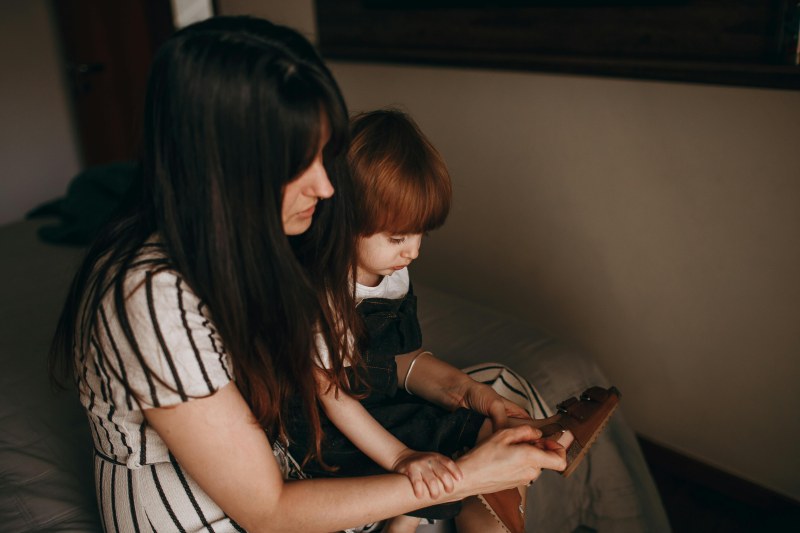
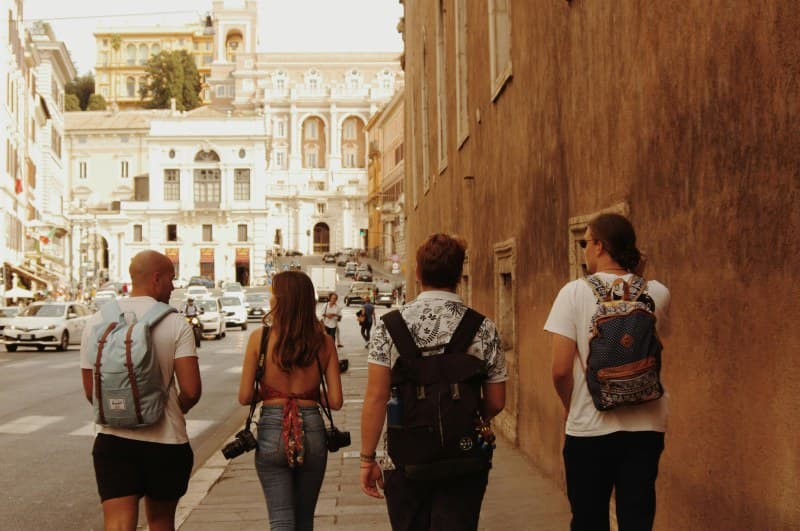
- Capture “In-Between” Moments: Take photos of yourself or your travel companions walking, eating, or laughing. These candid shots feel more real than posed ones.
- Frame Landmarks with Local Elements: If you do take a landmark photo, add a local touch—like a street vendor’s cart in front of the Eiffel Tower or a child flying a kite near the Great Wall.
Compare 3 Key Ways to Capture Authentic Shots
Not sure which method to try first? Here’s a quick comparison:
| Way | Effort Level | Memory Impact | Pros | Cons |
|---|---|---|---|---|
| Shoot Local Life | Medium | High | Tells a unique story; connects you to locals | May require asking permission; takes time to find the right spot |
| Wait for the Moment | High | Very High | Captures rare, candid moments | Can be frustrating if nothing happens; takes patience |
| Focus on Details | Low | Medium | Easy to do anywhere; no need to interact with others | May not show the full context of the place |
A Classic Quote to Guide Your Shots
“The real voyage of discovery consists not in seeking new landscapes, but in having new eyes.” — Marcel Proust
This quote sums up what authentic travel photography is all about: looking beyond the obvious to see the small, meaningful moments that make a place special. You don’t need to go to a remote location—you just need to look at the world around you with curiosity.
Common Q&A
Q: Do I need an expensive camera to take authentic travel photos?
A: No! Most smartphones today have great cameras. The key is not the gear—it’s the mindset. A friend of mine used her iPhone to take a photo of a Moroccan baker kneading bread, and it won a local photography contest. What made it great was the emotion: the baker’s smile and the flour on his hands.
Final Thoughts
Next time you travel, try one of these ways. You might end up with fewer landmark photos—but you’ll have more shots that bring back the feeling of being there. And isn’t that what travel is all about? Capturing the moments that stay with you long after the trip ends.