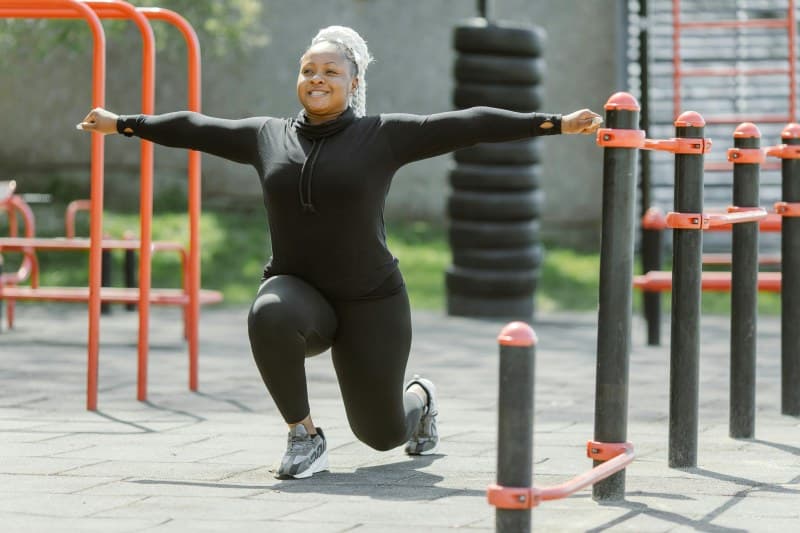
We’ve all been there: you leave work exhausted, glance at your gym bag, and decide to skip the workout—again. Guilt creeps in, but the thought of squeezing in an hour of exercise feels impossible. The good news? You don’t need long sessions to stay active. Let’s break down two simple, actionable ways to keep moving even when your calendar is packed.
Two Go-To Strategies for Busy People
1. Micro-Workouts: Short Bursts of Energy
Micro-workouts are 5–15 minute sessions that focus on high-intensity or targeted movements. Think 10 minutes of bodyweight squats, push-ups, and planks in the morning, or a quick HIIT routine during your lunch break. They’re designed to fit into tiny gaps in your day.
Take my friend Mike: a software engineer who works 12-hour days. He started doing 7-minute HIIT videos while his coffee brewed each morning. After three weeks, he noticed more energy in the afternoons and even lost a few pounds. “I used to think I needed an hour at the gym,” he says. “Now I realize small steps add up.”
2. Activity Stacking: Pair Exercise with Daily Tasks
Activity stacking means combining physical movement with tasks you already do. For example: walking while taking work calls, doing lunges while folding laundry, or stretching while watching TV. It turns “dead time” into active time without adding extra minutes to your day.
Sarah, a busy mom of two, swears by this. She does squats while waiting for her kids’ school bus and calf raises while washing dishes. “I don’t have time for a formal workout,” she says. “But these little movements keep my body feeling good, and I don’t have to carve out extra time.”
Which Method Is Right for You? A Quick Comparison
Here’s how the two strategies stack up:
| Method | Time Commitment | Fun Factor | Pros | Cons |
|---|---|---|---|---|
| Micro-Workouts | 5–15 mins/session | High (variety of routines) | Targets specific fitness goals; boosts endorphins quickly | Requires some planning; may need space for movements |
| Activity Stacking | 0 extra mins (integrated into tasks) | Medium (low-key, no pressure) | No extra time needed; easy to stick to long-term | Less intense; may not target all muscle groups |
“We are what we repeatedly do. Excellence, then, is not an act but a habit.” — Aristotle
This quote rings true for fitness. Whether you choose micro-workouts or activity stacking, consistency is key. Even 5 minutes a day, done regularly, can lead to meaningful changes.
Common Question: Do These Methods Actually Work?
Q: Can I really see fitness results from 10-minute workouts or stacking activities?
A: Yes! Studies show that short, frequent exercise sessions can improve cardiovascular health, muscle strength, and mood. For example, a 2023 study in the Journal of Sports Medicine found that 10-minute HIIT sessions three times a week improved endurance as much as 45-minute steady-state workouts. Activity stacking, while less intense, helps maintain mobility and prevent sedentary-related issues like back pain.
The best part? Both methods are flexible. You can mix them: do a micro-workout in the morning and stack activities in the evening. The goal isn’t perfection—it’s keeping your body moving, even when life gets crazy.