Waking up to a flat tire or a sudden medical bill and realizing you have no extra cash is a panic we’ve all felt. An emergency fund is your safety net, but starting one when every dollar is spoken for can seem impossible. The good news? You don’t need big sums—just two simple, actionable ways to get started.
The Two Ways to Start an Emergency Fund When Money Is Tight
Way 1: Micro-Saving with "Spare Change" Systems
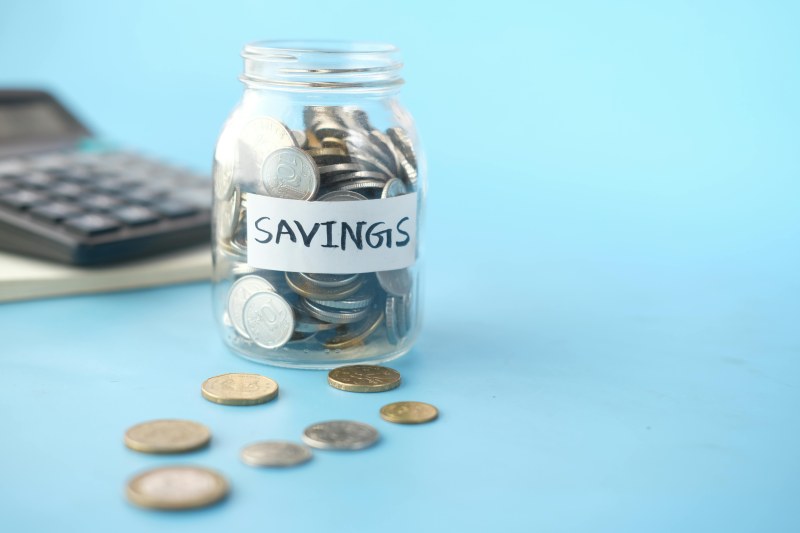
Micro-saving is all about collecting tiny amounts that add up over time. Think of it as picking up loose change off the sidewalk, but automated. Apps like Acorns (or even a old jar on your counter) let you round up purchases to the nearest dollar and put the difference aside. For example, if you buy a $4.25 coffee, you save $0.75. It’s so small you’ll barely notice it—until it adds up.
Take Sarah, a part-time barista making $15 an hour. She uses a rounding app for all her purchases. After six months, she had $120 saved—enough to cover a new phone charger or a minor car repair. It wasn’t a lot, but it gave her peace of mind knowing she had something to fall back on.
Way 2: "No-Spend Challenges" for Targeted Savings
A no-spend challenge focuses on cutting one non-essential category for a set period (like a month) and putting that money into your emergency fund. Common categories include dining out, subscription boxes, or impulse buys. The key is to pick something you can live without—no need to cut all fun!
Mike, a college student, spent $20 a week on takeout. He decided to do a 30-day no-takeout challenge. Instead of ordering pizza, he cooked pasta or sandwiches at home. At the end of the month, he had $80 to put into his emergency fund. He even found he enjoyed cooking more than he thought.
How Do the Two Methods Compare?
Here’s a quick breakdown of the pros, cons, and effort levels of each way:
| Method | Effort Level | Time to See Results | Flexibility | Pros | Cons |
|---|---|---|---|---|---|
| Micro-Saving | Low (set it and forget it) | 3-6 months for small goals | High (works with any budget) | Automated, no willpower needed, easy to stick to | Slow to build large sums, depends on spending habits |
| No-Spend Challenge | Medium (requires willpower) | 1 month for quick wins | Medium (limited to one category) | Fast results, teaches mindful spending, can be fun | May feel restrictive, easy to slip up |
"A penny saved is a penny earned." — Benjamin Franklin
Franklin’s classic saying sums up both methods perfectly. Every small cent you set aside—whether it’s a rounded-up coffee or a skipped takeout meal—builds your safety net. It’s not about how much you save at once; it’s about consistency.
Common Q&A
Q: How much should I aim for in my emergency fund first?
A: Forget the 3-6 months of expenses rule at the start. Focus on a "mini emergency fund" of $500-$1000. This covers most small crises (like a broken appliance or unexpected co-pay) and gives you the confidence to keep saving.
Quick Tips to Stay Consistent
- ✨ Automate it: Set up auto-transfers to your savings account—even $5 a week adds up.
- 📊 Track progress: Use a spreadsheet or app to see how much you’ve saved. Watching the number grow is motivating.
- 🎉 Celebrate small wins: When you hit $500, treat yourself to a cheap coffee (not a fancy dinner!). It keeps you excited to keep going.
Starting an emergency fund when money is tight isn’t easy, but it’s possible. Pick one method (or try both!) and take the first step today. Your future self will thank you.