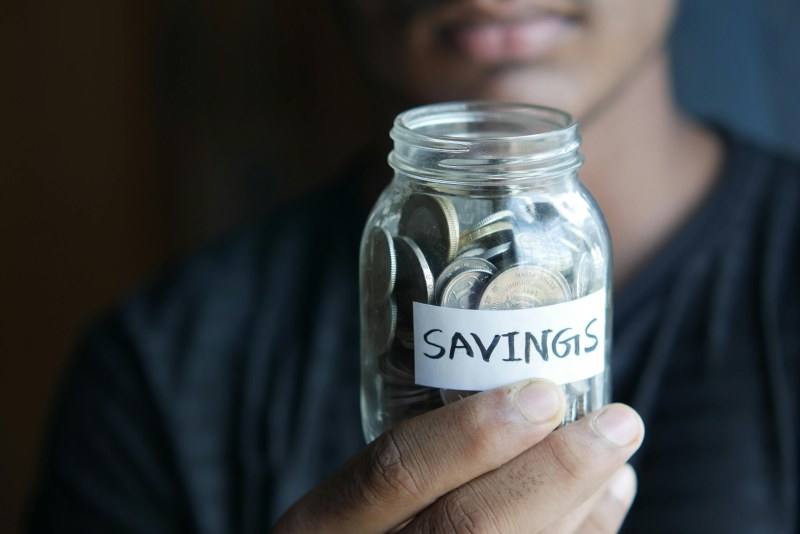
Ever stared at your bank account after paying rent, utilities, and groceries and thought, ‘There’s nothing left to save’? You’re not alone. For many, saving feels like a luxury reserved for people with extra cash. But what if there are simple, actionable ways to build savings even when every dollar seems spoken for? Let’s dive into two strategies that work for real people.
1. Micro-saving with automated transfers 💸
Micro-saving is all about putting aside tiny amounts—think $1, $5, or $10—on a regular basis. The key here is automation: set up a transfer from your checking to savings account that happens automatically, so you don’t have to think about it.
Take Maria, a 28-year-old barista earning $30,000 a year. She used to think she couldn’t save anything. Then she set up a $5 auto-transfer every time she got paid (twice a month). After 12 months, she had $120 plus a little interest. When her car needed a $100 repair, she didn’t have to use a credit card—her micro-savings covered it. ‘It felt like free money,’ she said. ‘I didn’t even notice the $5 missing from my checking account.’
2. Trimming ‘invisible’ recurring expenses 📝
Recurring expenses are the small, monthly charges that slip under the radar: unused gym memberships, streaming services you don’t watch, or magazine subscriptions you forgot about. These add up fast.
Jake, a 32-year-old teacher, decided to audit his bank statements. He found three recurring charges he didn’t need: a $15 music app subscription (he’d switched to a free one months ago), a $10 gym membership (he worked out at home now), and an $8 magazine subscription (he never read it). Canceling those saved him $33 a month—$396 a year. ‘I had no idea I was wasting that much,’ he said. ‘That money now goes into my emergency fund.’
How the two strategies stack up 📊
Let’s compare the two methods side by side:
| Strategy | Effort Level | Short-Term Impact | Long-Term Impact | Pros | Cons |
|---|---|---|---|---|---|
| Micro-saving | Low (set it and forget it) | Small (few dollars a month) | Builds saving habit + compound interest over time | Easy to start, no lifestyle changes needed | Slow to grow initially |
| Trimming recurring expenses | Medium (audit statements once) | Immediate (extra cash each month) | Consistent monthly savings + freed-up cash for other goals | Fast results, no ongoing effort | Requires time to review expenses |
A classic quote to keep you motivated 📜
“A penny saved is a penny earned.” — Benjamin Franklin
This 18th-century wisdom still holds true today. Every small amount you save or expense you cut is like earning extra money without working more. Over time, those pennies turn into dollars, and dollars turn into financial security.
FAQ: Common question about saving on a tight budget ❓
Q: I can only save $1 a month—should I bother?
A: Absolutely! Even $1 a month adds up to $12 a year, plus interest. More importantly, it builds the habit of saving. Once you get used to setting aside money, you can increase the amount as your situation changes. Small steps lead to big results.
Whether you choose micro-saving, trimming expenses, or both, the key is to start. You don’t need a lot of cash to build savings—you just need to start somewhere. Try one of these strategies this month and see how it feels. Your future self will thank you.