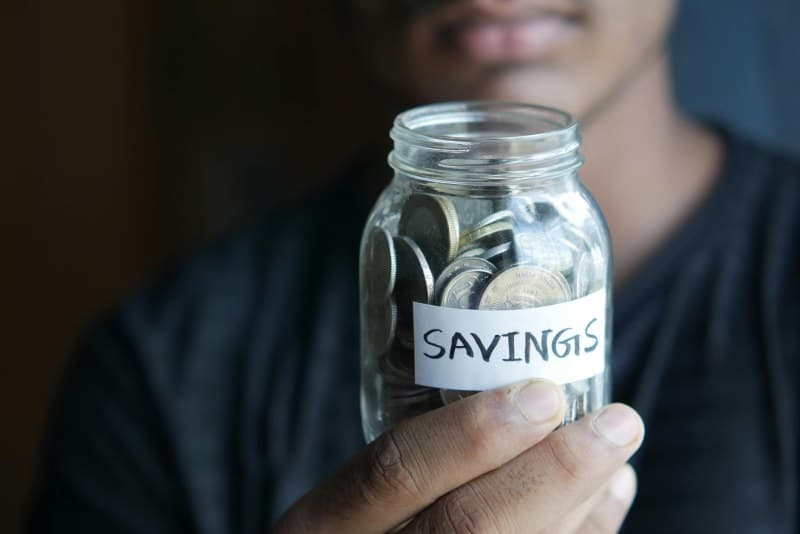
You’ve just paid the rent and utilities, and your bank account is looking thinner than you’d like. Every dollar feels accounted for, but you still want to put something aside—even a little. The good news? Saving doesn’t have to mean big sacrifices. Here are 7 actionable ways to stretch your dollar further, with details to help you pick what works for you.
The 7 Ways to Save When Every Dollar Stretches
Below is a breakdown of each method, so you can choose based on your time, budget, and lifestyle:
| Method | Time Commitment | Cost | Pros | Cons |
|---|---|---|---|---|
| Meal Prepping | 1-2 hrs/week | $0 (if using existing ingredients) | Cuts takeout costs, reduces food waste | Requires planning, may get repetitive |
| Carpooling/Shared Rides | 10-15 mins extra (to coordinate) | $0 (split gas costs) | Lowers fuel expenses, reduces carbon footprint | Dependent on others’ schedules |
| Cancel Unused Subscriptions | 15-20 mins (to review accounts) | $0 | Immediate savings, declutters digital space | May miss a service later (can re-subscribe) |
| DIY Household Cleaners | 5-10 mins per batch | $5-$10 (for basic supplies like vinegar, baking soda) | Cheaper than store-bought, chemical-free | May not be as strong as commercial cleaners |
| Thrift Shopping for Basics | 30-60 mins per trip | $5-$20 per item (vs $20-$50 new) | Saves on clothes, home goods; eco-friendly | Requires patience to find good items |
| Energy-Saving Habits | 5 mins/day (unplugging, adjusting thermostat) | $10-$20 (for LED bulbs) | Lowers monthly utility bills, long-term savings | Small immediate impact; takes time to see results |
| Micro-Saving Apps | 5 mins to set up | $0 (most apps are free) | Automates saving, no effort after setup | May have small fees (check terms) |
Why These Methods Work
Each method focuses on small, consistent changes—because over time, those add up. For example, if you save $5 a day on takeout, that’s $150 a month, or $1,800 a year. It’s not about becoming a minimalist overnight; it’s about finding what fits your life.
A Classic Wisdom Check
“A penny saved is a penny earned.” — Benjamin Franklin
Franklin’s words ring true even today. Micro-savings (like rounding up purchases to the nearest dollar) might seem trivial, but they build a habit of saving that can grow over time. Every small penny you put aside is money you don’t have to earn again later.
Real-Life Example: Sarah’s Story
Sarah, a single mom working two jobs, felt like she could never save. She tried meal prepping on Sundays (1.5 hours) and carpooling with a coworker to her second job. Within a month, she saved $120 on takeout and $30 on gas—total $150. She used that money to build an emergency fund for her kid’s school supplies. “It wasn’t easy at first,” she said, “but seeing the savings add up made it worth it.”
FAQ: Common Questions About Saving on a Tight Budget
Q: I don’t have extra time for meal prep—what can I do?
A: Try simple swaps like cooking a big pot of rice or beans once a week, or using frozen veggies (they’re pre-chopped, so no prep time). Even 30 minutes a week can cut down on takeout costs.
Q: Are micro-savings apps safe?
A: Most reputable apps use bank-level security, but always check reviews and terms before linking your bank account. Look for apps that are FDIC-insured to protect your money.
Final Thoughts
Saving money when funds are tight isn’t about deprivation—it’s about making smart choices. Pick one or two methods from the list to start with, and adjust as you go. Over time, those small changes will help you build a safety net and feel more in control of your finances.