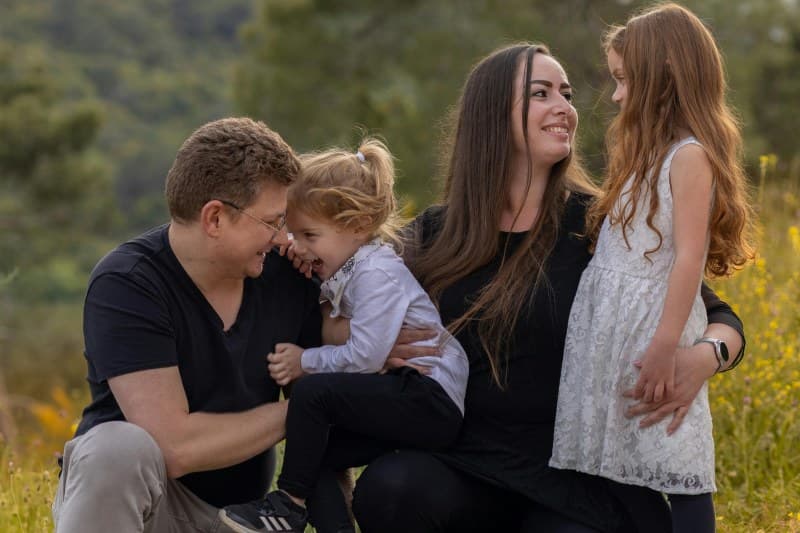
We’ve all been there: a sibling bickering over who left the milk out, a teen arguing about curfew, or a parent and child clashing over homework. Family conflicts are normal, but how we handle them can make the difference between a quick fix and a deeper rift. Let’s break down two proven, gentle ways to turn tension into understanding.
The Two Core Approaches to Gentle Conflict Resolution
When it comes to family fights, there’s no one-size-fits-all solution—but these two methods work for most common disagreements. They focus on connection over winning, which is key for long-term family harmony.
1. Active Listening & Validation
This method is all about making the other person feel seen and heard before trying to solve the problem. It’s less about fixing things quickly and more about building trust. Here’s how it works: Stop talking, listen without interrupting, and reflect back what you hear. For example, if your kid says, “You never let me hang out with friends,” you might respond, “It sounds like you feel like I’m holding you back from spending time with people you care about.”
2. Collaborative Problem-Solving
Once everyone feels heard, this method helps you work together to find a solution that works for everyone. It’s about brainstorming options instead of dictating rules. For instance, if your partner is upset about messy dishes, you might say, “Let’s think of ways we can split this chore so neither of us feels overwhelmed.”
To help you choose the right method for your situation, here’s a quick comparison:
| Approach | Effort Level | Emotional Impact | Best For |
|---|---|---|---|
| Active Listening & Validation | Low to medium (requires patience) | High (builds trust and reduces defensiveness) | Disagreements where someone feels unheard (e.g., teen curfew, sibling jealousy) |
| Collaborative Problem-Solving | Medium to high (requires creativity) | Medium (focuses on solution, not feelings) | Practical conflicts (e.g., chore division, budget disagreements) |
A Classic Quote to Guide You
“I’ve learned that people will forget what you said, people will forget what you did, but people will never forget how you made them feel.” — Maya Angelou
This quote sums up why gentle conflict resolution works. When we validate someone’s feelings, we’re not just solving a problem—we’re showing them they matter. That’s the foundation of strong family bonds.
Real-Life Story: Curfew Compromise
Lila, 16, wanted to stay out until 11 PM for her best friend’s birthday. Her mom, Maria, was worried about safety and initially said no. Instead of arguing, Maria tried active listening: “Tell me why this is so important to you.” Lila explained that it was the first big birthday since COVID, and she didn’t want to miss the cake-cutting. Maria validated her feelings: “I get that this is a special night for you.” Then they used collaborative problem-solving: Lila agreed to check in at 10 PM, and Maria picked her up at 10:45. Both left happy—Lila felt heard, and Maria felt reassured.
Common Question: What If Someone Refuses to Participate?
Q: What if my family member is too angry to talk or won’t listen?
A: It’s okay to take a break. Say something like, “I want to talk about this when we’re both calm—can we check back in in 30 minutes?” This prevents things from escalating and gives everyone time to process their feelings. When you come back, start with a gentle opener: “I know we were upset earlier, but I want to understand your side.”
Final Thoughts
Family conflicts don’t have to be messy. By choosing active listening or collaborative problem-solving, you can turn tension into connection. Remember: it’s not about being perfect—it’s about showing up for each other. Try one of these methods next time you have a disagreement, and see how it changes your family dynamic.