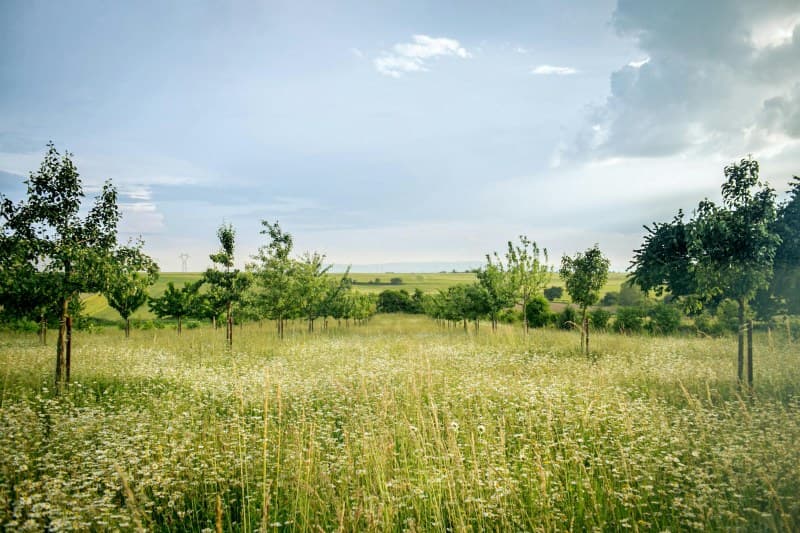
We’ve all been there: back-to-back meetings, a overflowing inbox, and that tight feeling in your chest that won’t go away. Daily stress can creep in without warning, but you don’t need fancy gadgets or expensive treatments to find relief. Let’s dive into 6 natural ways to calm your mind and body—each with honest pros, cons, and how much effort they really take.
Why Natural Stress Relief Works
Natural stress relief methods focus on activating your body’s parasympathetic nervous system—the “rest and digest” mode that counteracts the “fight or flight” response. Unlike some quick fixes, these methods build long-term resilience, so you’re better equipped to handle stress over time.
6 Natural Stress Relief Methods: A Comparison
Here’s a side-by-side look at the 6 ways to help you pick what fits your day:
| Method | Effort Level | Time Commitment | Pros | Cons |
|---|---|---|---|---|
| Mindful Breathing (4-7-8 Technique) | Low | 1-5 minutes | Instant calm, no equipment needed, can do anywhere | Hard to focus at first, may not work for severe stress |
| 10-Minute Nature Walk | Medium | 10-15 minutes | Boosts mood, improves focus, gets you moving | Requires access to outdoor space, weather-dependent |
| Gratitude Journaling | Low | 5-10 minutes | Shifts focus to positives, builds long-term optimism | May feel forced initially, needs consistency |
| Gentle Stretching (Beginner Yoga) | Medium | 10-20 minutes | Relaxes tight muscles, improves posture, reduces tension | Requires a quiet space, may need a quick tutorial |
| Herbal Tea (Chamomile/Lavender) | Low | 5 minutes (prep + sipping) | Warm, comforting, aids sleep if done in the evening | Effect is mild, may not work for immediate stress |
| Calming Music (Instrumental/Ambient) | Low | 5-10 minutes | Easy to integrate into work/study, reduces anxiety | May distract some people, needs access to a device |
Deep Dive into Key Methods
Mindful Breathing: The 4-7-8 Trick 💨
The 4-7-8 technique is a game-changer for quick stress relief. Here’s how it works: inhale through your nose for 4 seconds, hold for 7, then exhale slowly through pursed lips for 8. It’s based on ancient yoga practices and helps slow your heart rate and lower blood pressure. Try it before a big meeting or when you’re stuck in traffic.
Nature Walks: Green Spaces = Calmer Minds 🌳
Studies show that spending just 10 minutes in nature can reduce cortisol (the stress hormone) levels by up to 12%. You don’t need a forest—even a walk around a local park or neighborhood garden counts. Notice the sounds of birds, the feel of sunlight, or the smell of grass to fully engage your senses.
Classic Wisdom on Stress
“We cannot choose our external circumstances, but we can always choose how we respond to them.” — Epictetus
This ancient Stoic quote reminds us that stress often comes from our reaction to events, not the events themselves. Natural stress relief methods help us shift that reaction—whether it’s taking a breath instead of snapping, or going for a walk instead of ruminating.
Real-Life Example: Sarah’s Stress Journey
Sarah, a 32-year-old graphic designer, used to feel overwhelmed by tight deadlines and client feedback. She tried the 4-7-8 breathing before client calls and started taking 10-minute walks during her lunch break. After two weeks, she noticed she was less irritable and could focus better on her work. “I used to reach for coffee when I was stressed, but now I step outside,” she says. “It’s a small change, but it makes a huge difference.”
FAQ: Common Questions
Q: Can these methods replace professional help for chronic stress?
A: No. These methods are great for daily stress management, but if stress is persistent, affects your sleep or relationships, or leads to anxiety/depression, it’s important to consult a healthcare provider or therapist. Think of these as tools to complement, not replace, professional care.
Final Thoughts
Stress is a normal part of life, but you don’t have to let it take over. Pick one or two methods from the list and try them for a week—you might be surprised at how much calmer you feel. Remember: small, consistent steps are better than big, unsustainable changes. Here’s to a less stressful day! 🌿