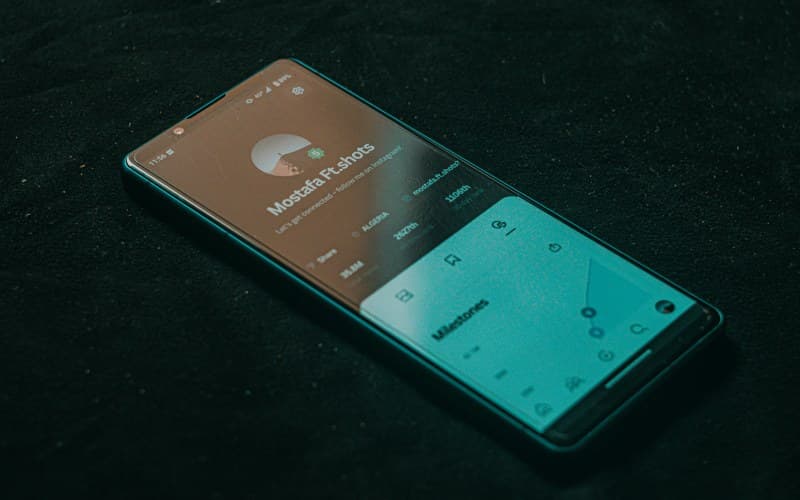
Last month, my friend Sarah dropped her new iPhone while rushing to catch the bus. The screen cracked so badly she could barely read texts—repair cost her $220. She kept saying, “I should’ve gotten a case.” If you’ve ever felt that regret, you’re not alone. Protecting your smartphone doesn’t have to be complicated, but it does require picking the right methods for your lifestyle.
6 Ways to Protect Your Smartphone: A Breakdown
Below is a comparison of six effective methods to keep your phone safe, with details on how much effort they take, their cost, and their pros and cons:
| Method | Effort Level | Cost | Pros | Cons |
|---|---|---|---|---|
| Tempered Glass Screen Protector | Low | Affordable ($10-$20) | Scratch-resistant, absorbs impact, easy to apply | Can crack on hard drops, may need replacement |
| Rugged Protective Case | Low | Moderate ($25-$50) | Shields against drops and bumps, often water-resistant | Adds bulk, may be heavy |
| Water-Resistant Pouch | Medium | Cheap ($5-$15) | Protects from water/spills, portable | Not permanent, can be forgotten |
| Auto Screen Time-Out | Low | Free | Prevents accidental presses, saves battery | No physical protection |
| Avoid Extreme Temperatures | Medium | Free | Preserves battery and screen life | Requires conscious effort (e.g., not leaving phone in car) |
| Regular Dust Cleaning | Low | Free (use microfiber cloth) | Prevents dust buildup in ports/buttons | Needs consistent habit |
A Classic Wisdom on Protection
Benjamin Franklin once said, “An ounce of prevention is worth a pound of cure.” This rings true for smartphone care—spending a few dollars on a case or screen protector can save you hundreds in repairs.
Take Sarah’s example: After her cracked screen, she invested $30 in a rugged case and $15 in a tempered glass protector. Six months later, she dropped her phone again—this time, the case absorbed the impact, and the screen stayed intact. That small investment saved her another costly repair.
Common Question: Do I Need All These Methods?
Q: I’m careful with my phone—do I really need to use all six methods?
A: No! Pick the ones that fit your habits. For example, if you work outdoors or near water, a rugged case and water-resistant pouch are must-haves. If you mostly use your phone at home or in an office, a slim case and screen protector might be enough. The key is to address your biggest risks.
Protecting your smartphone is about making small, intentional choices. Whether you opt for a budget-friendly screen protector or a high-end case, every step helps keep your device working well for longer. Remember: It’s easier to prevent damage than to fix it.