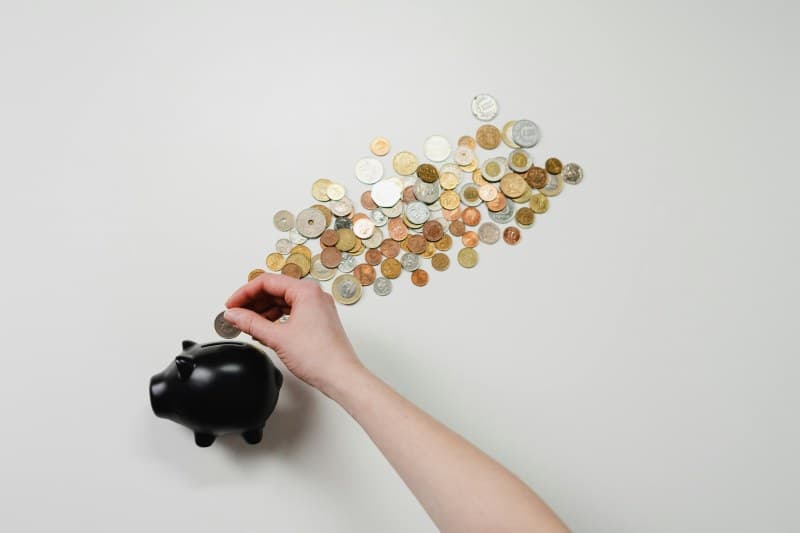
We’ve all been there: staring at our bank account after payday, knowing we should save but dreading the thought of cutting back on the little things that make life fun. Saving often feels like a chore—something we “have to” do instead of “want to” do. But what if saving could be enjoyable? What if it felt like a game or a challenge instead of a sacrifice?
6 Practical Ways to Make Saving Money Feel Less Like a Chore 💰
These methods are designed to add fun, accountability, or flexibility to your saving routine. Let’s break them down, then compare their effort levels, fun factors, and pros and cons.
1. The No-Spend Challenge (With Friends)
Gather a group of friends and commit to a no-spend period (1 week, 2 weeks, or a month) where you only buy essentials (groceries, rent, utilities). The person who saves the most gets a small reward (like a coffee or movie ticket paid by the group). It turns saving into a friendly competition.
2. Round-Up Savings Apps
Use apps like Acorns or Chime that round up your purchases to the nearest dollar and automatically transfer the difference to a savings account. For example, if you buy a coffee for $3.50, the app adds $0.50 to your savings. It’s a passive way to save without thinking.
3. Save for a “Fun Goal”
Instead of only saving for retirement or emergencies, set a fun goal—like a weekend trip, a new bike, or concert tickets. Having something exciting to look forward to makes saving feel purposeful, not restrictive.
4. The 1% Increase Trick
Start by saving 1% of your income each month. Every 3 months, increase that rate by 1%. By the end of the year, you’ll be saving 4%—and you’ll barely notice the difference. It’s a gradual way to build a habit without feeling overwhelmed.
5. Colorful Cash Envelopes
Use colorful envelopes to budget for different categories (groceries, entertainment, gas). Label each envelope with a fun name (like “Movie Night Fund” or “Snack Stash”) and only spend what’s in the envelope. It’s a visual way to track your spending and make saving feel tangible.
6. Gamified Savings Apps
Apps like YNAB (You Need a Budget) or Digit use gamification to reward you for saving. For example, Digit might send you a “bonus” for hitting a savings milestone, or YNAB lets you “win” by staying within your budget. It turns saving into a game with rewards.
Here’s how these methods stack up against each other:
| Method | Effort Level | Fun Factor (1-5) | Pros | Cons |
|---|---|---|---|---|
| No-Spend Challenge (Friends) | Medium | 5 | Social accountability, fun competition | Requires discipline, may be hard for impulse buyers |
| Round-Up Apps | Low | 2 | Passive, no effort after setup | Small savings over time, may have fees |
| Fun Goal Saving | Low | 4 | Motivating, tangible reward | May distract from long-term goals if overdone |
| 1% Increase Trick | Low | 3 | Gradual, easy to stick to | Slow to build large savings |
| Colorful Cash Envelopes | Medium | 3 | Visual, hands-on, helps with budgeting | Requires carrying cash, may be inconvenient |
| Gamified Apps | Medium | 4 | Rewards for saving, interactive | May have subscription fees, requires app usage |
“Do not save what is left after spending, but spend what is left after saving.” — Warren Buffett
This quote reminds us that saving should be a priority, not an afterthought. The methods above help you shift your mindset: saving becomes something you do first, and the fun elements make it easier to stick to.
Take Sarah, a 28-year-old teacher who used to struggle with saving. She and three friends decided to do a 2-week no-spend challenge. They made a group chat to share tips (like cooking at home instead of takeout) and track their savings. By the end, Sarah had saved $150—more than she ever thought possible. The friendly competition made it fun, and she even discovered new recipes she loved. “I didn’t feel like I was missing out,” she said. “It was like a game, and I wanted to win.”
Common Question: Can These Methods Work for People Living Paycheck to Paycheck?
Q: I barely have enough to cover my bills—will these methods still help me save?
A: Absolutely! Many of these methods are flexible and low-effort. For example, the round-up app can save small amounts (like $5-$10 a month) without impacting your budget. The 1% increase trick starts with a tiny percentage, so you won’t notice the difference. Even saving $10 a month adds up over time, and the fun elements make it easier to keep going.
Saving doesn’t have to be a chore. By adding fun, accountability, or flexibility to your routine, you can turn saving into something you look forward to. Try one method this month—whether it’s a no-spend challenge with friends or a round-up app—and see how it feels.