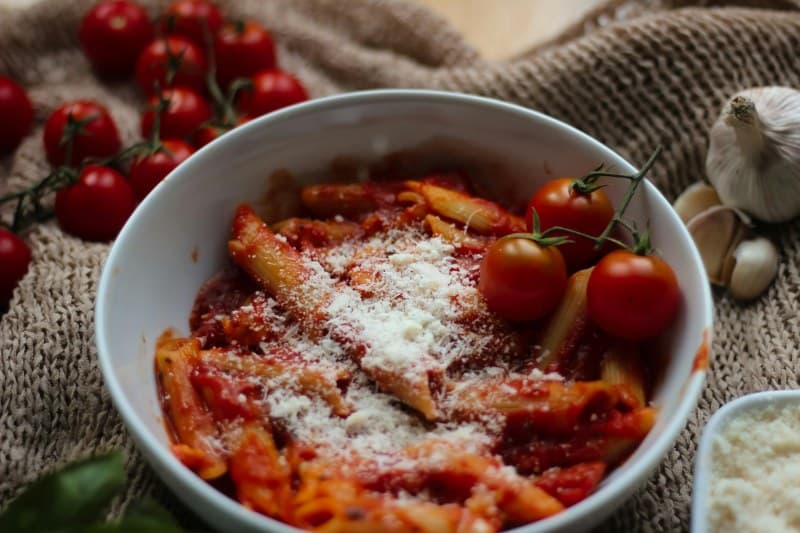
Ever had a pasta dish at a restaurant that made you think, ‘Why can’t I make this at home?’ You’re not alone. I remember my first attempt at marinara—watery, bland, nothing like the rich, tangy sauce from my local Italian spot. Turns out, the secret isn’t just ingredients; it’s the method. Let’s break down 5 ways to make restaurant-style pasta sauce right in your kitchen.
Why Restaurant Pasta Sauce Tastes So Good
Restaurant sauces often use slow cooking to deepen flavors, high-quality tomatoes (like San Marzano), and a balance of herbs and acids. They don’t rush the process—something home cooks often skip in a hurry. Even small tweaks, like adding a splash of wine or letting the sauce simmer longer, can make a huge difference.
5 Methods to Make Restaurant-Style Pasta Sauce
Each method has its own vibe, ingredients, and cost. Here’s a quick comparison to help you choose:
| Method | Key Ingredients | Cost per Serving ($) | Flavor Profile | Prep Time | Pros | Cons |
|---|---|---|---|---|---|---|
| Slow-Simmered Marinara | San Marzano tomatoes, garlic, basil, olive oil | 1.50 | Tangy, herbaceous, rich | 1.5 hours | Versatile, freezes well | Long cook time |
| Creamy Vodka Sauce | Tomato sauce, vodka, heavy cream, parmesan | 2.20 | Creamy, slightly tangy, smooth | 30 mins | Quick, indulgent | Not freezer-friendly, higher cost |
| Bolognese | Ground beef/pork, tomatoes, wine, carrots, celery | 2.50 | Meaty, savory, deep | 2 hours | Hearty, great for cold days | Long cook time, higher cost |
| Pesto alla Genovese | Basil, pine nuts, parmesan, olive oil, garlic | 2.00 | Fresh, herbaceous, nutty | 10 mins | Super quick, bright flavor | Best fresh, pine nuts are pricey |
| Arrabbiata | Tomatoes, chili flakes, garlic, olive oil | 1.30 | Spicy, tangy, bold | 45 mins | Budget-friendly, quick | Too spicy for some |
Story Time: The Bolognese That Won Grandma’s Approval
My friend Lila wanted to impress her Italian grandma with homemade bolognese. She followed a recipe but simmered it for only 30 minutes—grandma took one bite and said it tasted “like canned sauce.” Undeterred, Lila tried again: she added a splash of red wine, extra garlic, and let it simmer for 2 hours. This time, grandma smiled and said, “Finally, you get it.” Slow cooking is key for that deep, meaty flavor that makes bolognese unforgettable.
“You don’t have to cook fancy or complicated masterpieces—just good food from fresh ingredients.” — Julia Child
Julia’s words ring true here. Even the simplest sauce (like marinara) shines when you use fresh tomatoes and let it simmer. No need for fancy tools—just patience and quality ingredients.
FAQ: Common Pasta Sauce Questions
Q: Can I freeze these sauces for later use?
A: Most do! Marinara, bolognese, and arrabbiata freeze well for up to 3 months. Creamy vodka sauce should be eaten fresh (cream can separate when frozen), and pesto can be frozen in ice cube trays for quick portions.
Final Tips for Perfect Sauce
- Pair marinara with spaghetti or penne for a classic combo.
- Bolognese goes great with tagliatelle or fettuccine—its thick texture clings to wide noodles.
- Add a pinch of sugar to marinara to cut tomato acidity (a trick restaurants use).
- For pesto, use fresh basil (not dried) and toast pine nuts lightly for extra nuttiness.
With these methods, you’ll be serving restaurant-worthy pasta in no time. Happy cooking!