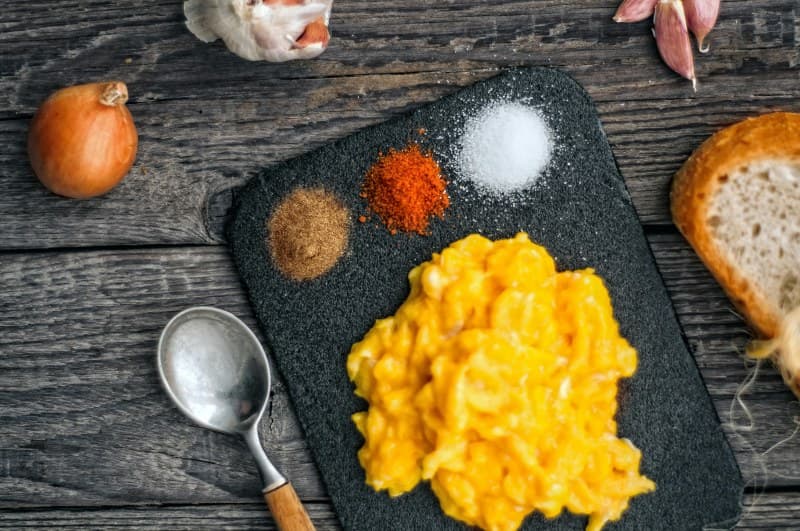
Last weekend, I found myself at a friend’s cabin with no non-stick pan—just a cast-iron skillet and a stainless steel pot. I wanted scrambled eggs, but I was worried they’d stick and turn into a rubbery mess. After some trial and error (and a lot of stirring), I ended up with a batch that was fluffy and golden. That experience made me curious: what other ways are there to nail scrambled eggs without relying on non-stick?
7 Ways to Make Scrambled Eggs Without Non-Stick
Each method has its own quirks, so let’s break them down:
1. Cast-Iron Skillet (Seasoned)
🍳 A well-seasoned cast-iron skillet is a workhorse. Heat it on low, add a pat of butter, and pour in whisked eggs. Stir gently until set—no sticking if the skillet is properly seasoned.
2. Stainless Steel Pan (Butter + Low Heat)
🍳 Stainless steel can stick, but not if you use enough butter and keep the heat low. Let the butter melt and foam, then add eggs. Stir constantly to prevent sticking and get a creamy texture.
3. Double Boiler Method
🍳 This method uses indirect heat. Fill a pot with water, bring to a simmer, and place a heatproof bowl over it. Add whisked eggs and butter to the bowl, stirring until they thicken. No sticking here!
4. Silicone Mat in Regular Pan
🍳 Lay a silicone mat (like a baking mat) in a regular pan. Heat the pan on low, add eggs to the mat, and stir. The mat acts as a non-stick barrier, so cleanup is easy.
5. Pre-Seasoned Carbon Steel Pan
🍳 Carbon steel is similar to cast-iron but lighter. Heat it on medium-low, add oil or butter, and cook eggs as usual. It’s durable and non-stick when seasoned.
6. Ceramic Pan (Even Heat)
🍳 Ceramic pans have a non-stick coating, but they’re not the same as traditional non-stick. They distribute heat evenly—just use low heat and a little oil to keep eggs from sticking.
7. Non-Stick Spray on Regular Pan
🍳 For a quick fix, spray a regular pan with non-stick spray. It’s not the most natural option, but it works if you’re in a pinch.
Method Comparison Table
Here’s how the 7 methods stack up:
| Method | Prep Time (min) | Tools Needed | Texture | Pros | Cons |
|---|---|---|---|---|---|
| Cast-Iron | 5 | Seasoned cast-iron skillet, butter | Fluffy, golden | Durable, adds iron to food | Takes time to season properly |
| Stainless Steel | 4 | Stainless steel pan, butter | Creamy | Easy to clean, versatile | Requires constant stirring |
| Double Boiler | 6 | Pot, heatproof bowl, butter | Ultra-creamy | No sticking, gentle heat | Takes longer to cook |
| Silicone Mat | 3 | Regular pan, silicone mat, oil | Soft, even | Easy cleanup, no sticking | Mat can slide if not secured |
| Carbon Steel | 5 | Pre-seasoned carbon steel pan, oil | Fluffy, crisp edges | Lighter than cast-iron | Needs regular seasoning |
| Ceramic | 4 | Ceramic pan, butter | Smooth, creamy | Even heat distribution | Coating can chip over time |
| Non-Stick Spray | 2 | Regular pan, spray | Fluffy | Quick, easy | Not as healthy as other options |
Classic Quote to Inspire
“The only real stumbling block is fear of failure. In cooking you’ve got to have a what-the-hell attitude.” — Julia Child
This quote sums up my cabin experience perfectly. I was scared to try eggs in a cast-iron pan, but once I let go of the fear, I ended up with a great batch. Don’t be afraid to experiment!
Common Q&A
Q: Can I use olive oil instead of butter for these methods?
A: Yes! Olive oil works well for cast-iron, stainless steel, and carbon steel. Just use medium heat to avoid burning. For the double boiler method, butter adds creaminess, but olive oil is a lighter alternative.
Final Tips
Whisk your eggs well before cooking—this incorporates air for fluffiness. Don’t overcook them; eggs continue to cook after you take them off the heat. And remember: practice makes perfect. Even if your first batch sticks, keep trying!