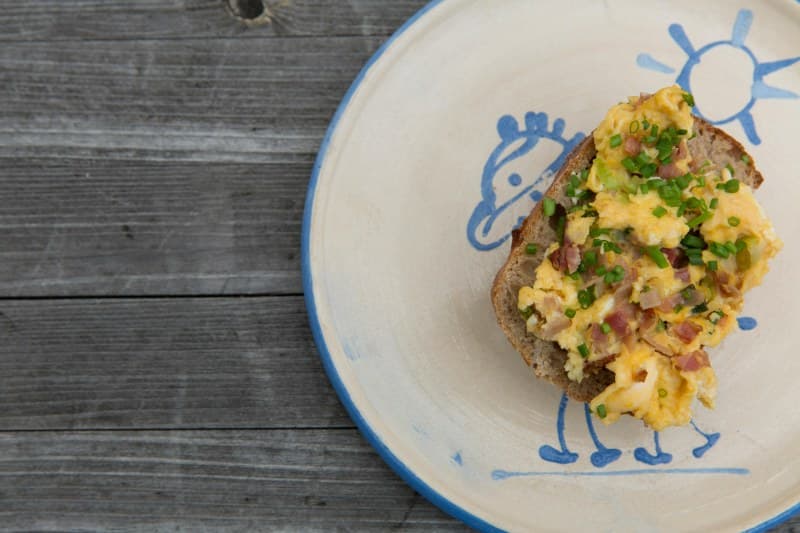
Let’s be real—scrambled eggs are a breakfast staple, but getting them just right can feel like a mystery. I remember the first time I tried making them for brunch guests: I cranked the heat too high, burned the edges, and ended up with dry, rubbery curds. Embarrassing. Then I learned there are two go-to methods that cover every texture preference. Let’s dive in.
The Two Ways to Perfect Scrambled Eggs 🍳
Scrambled eggs boil down to two core techniques, each yielding a distinct texture. Let’s break them down.
1. Low Heat Creamy Method
This is the method for when you want rich, velvety eggs that melt in your mouth. Here’s how: Whisk 2-3 eggs with a splash (1-2 tbsp) of milk or heavy cream. Heat a non-stick pan to low (you should barely hear a sizzle when you add butter). Add a pat of butter, let it melt, then pour in the eggs. Stir gently and continuously with a spatula, scraping the bottom of the pan to form soft curds. Take them off the heat just before they’re fully set—they’ll continue cooking from residual heat.
2. High Heat Fluffy Method
Need eggs in a hurry? This method gives you light, airy curds in minutes. Whisk 2-3 eggs (skip the milk if you want maximum fluffiness). Heat a pan to medium-high until it’s hot. Add a thin layer of oil or butter. Pour in the eggs and stir quickly with a spatula, lifting and folding the curds. Stop stirring when the eggs are just set—overcooking will make them dry. Serve immediately.
Let’s compare the two methods side by side:
| Aspect | Low Heat Creamy | High Heat Fluffy |
|---|---|---|
| Heat Level | Low (simmer) | Medium-High (sizzle) |
| Cooking Time | 5-7 minutes | 2-3 minutes |
| Texture | Smooth, creamy curds | Light, airy curds |
| Pros | Rich flavor, less likely to overcook | Quick, fluffy texture |
| Cons | Takes longer, needs constant stirring | Easy to burn, drier if overcooked |
“You don’t have to cook fancy or complicated masterpieces—just good food from fresh ingredients.” — Julia Child
This quote hits home for scrambled eggs. Whether you choose low or high heat, using fresh eggs and simple ingredients (butter, a splash of milk) is all you need for great results. No fancy tools required.
Let me share a quick story: My friend Sarah used to make high-heat scrambled eggs every morning but always complained they were too dry. I suggested she try the low-heat method. She swapped her medium-high pan for low, stirred slowly, and was shocked by how creamy they turned out. Now she swears by it for weekend brunches, though she still uses the high-heat method for quick weekday mornings.
Common Question: Do I Need to Add Milk or Cream?
Q: Is it necessary to add milk or cream to scrambled eggs?
A: No, but it can enhance texture. For low-heat creamy eggs, a splash adds richness. For high-heat fluffy eggs, skip it—milk can weigh down the curds and make them less airy. If you want to skip dairy, a splash of water works too (it helps keep eggs moist).
Pro Tips for Both Methods 💡
- Use room-temperature eggs: They whisk better and cook more evenly.
- Don’t overstir: For creamy eggs, stir gently to form soft curds. For fluffy, stir quickly but stop when curds are just set.
- Season at the end: Adding salt too early can draw moisture from eggs, making them dry. Sprinkle salt and pepper right before serving.
- Add extras: For extra flavor, toss in chopped herbs (chives, parsley) or a sprinkle of cheese (cheddar, feta) just before taking the eggs off the heat.
At the end of the day, the best method depends on your mood and time. If you have a few extra minutes and crave creaminess, go low heat. If you’re rushing and want fluff, high heat is your friend. Either way, practice makes perfect—so grab a pan and start scrambling!