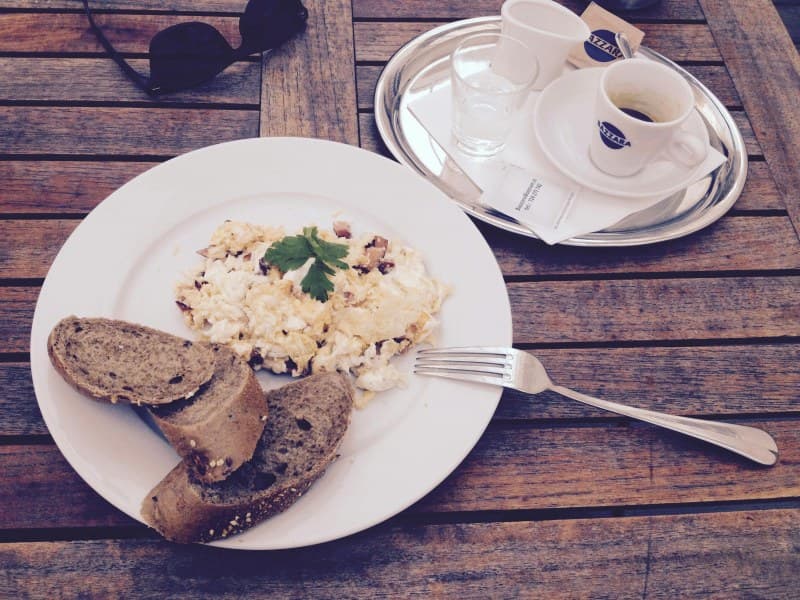
We’ve all been there: rushing to make breakfast, turning the stove up high, and ending up with dry, rubbery scrambled eggs that taste like cardboard. It’s frustrating—eggs are supposed to be simple, right? The good news is, there are only two key methods to make perfect scrambled eggs every time, and once you know them, you’ll never mess up again.
The Two Ways to Perfect Scrambled Eggs 🍳
Method 1: Low-and-Slow (Creamy Texture)
This method is for anyone who loves velvety, melt-in-your-mouth eggs. Start by heating a non-stick pan over medium-low heat. Add a pat of butter (or a splash of olive oil) and let it melt. Whisk 2-3 eggs in a bowl (add a teaspoon of cream or milk if you want extra creaminess). Pour the eggs into the pan and stir gently with a silicone spatula every few seconds. Keep stirring until the eggs are just set—they should still look a little runny, because they’ll continue to cook off the heat. Serve immediately.
Method 2: High-Heat (Firm, Fluffy Texture)
If you’re short on time, this method is your best friend. Heat a pan over medium-high heat. Add butter and let it sizzle. Whisk eggs (no need for milk here—liquid can make them watery) and pour into the pan. Let them sit for 10 seconds, then stir vigorously with a wooden spoon to form curds. Keep stirring on and off for 2-3 minutes until the eggs are firm and fluffy. Take them off the heat and serve.
To help you choose the right method, here’s a quick comparison:
| Method | Texture | Cooking Time | Tools Needed | Pros | Cons |
|---|---|---|---|---|---|
| Low-and-Slow | Creamy, soft curds | 5-7 minutes | Non-stick pan, silicone spatula | Rich, velvety taste; less likely to overcook | Takes longer; requires constant stirring |
| High-Heat | Firm, fluffy, golden curds | 2-3 minutes | Any pan, wooden spoon | Quick; ideal for busy mornings | Easy to overcook; less creamy |
"The secret of success in life is to eat what you like and let the food fight it out inside." — Mark Twain
Twain’s quote is a lighthearted take on food, but it rings true for scrambled eggs. Whether you prefer creamy or firm, choosing the right method lets you enjoy eggs exactly how you like them—no compromise needed.
A Real-Life Example: Sarah’s Egg Transformation
My friend Sarah used to make high-heat eggs every morning. She was always in a rush, so she’d crank up the stove and stir quickly. But she’d always complain that her eggs were dry and tasteless. One day, I suggested she try the low-and-slow method. She was skeptical (she didn’t want to add 2 extra minutes to her morning routine), but she gave it a shot. The result? She was shocked at how creamy and delicious her eggs were. Now, she sets her alarm 2 minutes earlier just to make low-and-slow eggs. She even adds a sprinkle of chives on top for extra flavor.
FAQ: Common Scrambled Egg Questions 💡
Q: Do I need to add milk or cream to scrambled eggs?
A: It depends on the method. For low-and-slow, a splash of cream or milk adds creaminess. For high-heat, skip it—adding liquid can make the eggs watery and prevent them from getting fluffy.
Q: Should I salt my eggs before or after cooking?
A: Salt at the end! Salting eggs early can draw out moisture, making them dry. Wait until the eggs are almost done, then sprinkle with salt.
Pro Tips to Elevate Your Scrambled Eggs
- Use room-temperature eggs: They cook more evenly than cold eggs.
- Add herbs: Chives, parsley, or dill add a fresh, bright flavor.
- Try cheese: A sprinkle of cheddar or feta can take your eggs to the next level.
- Don’t overcook: Eggs continue to cook off the heat, so take them off just before they’re fully set.
Whether you’re a fan of creamy or firm eggs, these two methods will help you make perfect scrambled eggs every time. Give them a try—your breakfast will never be the same!