Ever packed a basket of fresh strawberries for a day hike, only to find them mushy by lunchtime? Or struggled to keep bananas from turning brown in a small apartment without extra fridge space? Keeping fruits fresh without refrigeration doesn’t have to be a guessing game. Here are 5 proven ways to extend their shelf life, complete with how much effort they take, what they cost, and their pros and cons.
5 Ways to Keep Fruits Fresh Without a Fridge 🍎
Each method targets different fruit types and situations. Let’s break them down:
1. Vinegar Wash (for Berries 🍓)
Mix 1 part white vinegar with 10 parts water. Soak berries for 5 minutes, rinse thoroughly, and pat dry with a paper towel. The vinegar kills mold spores without affecting taste.
2. Paper Bag Storage (for Ripening Fruits 🍌)
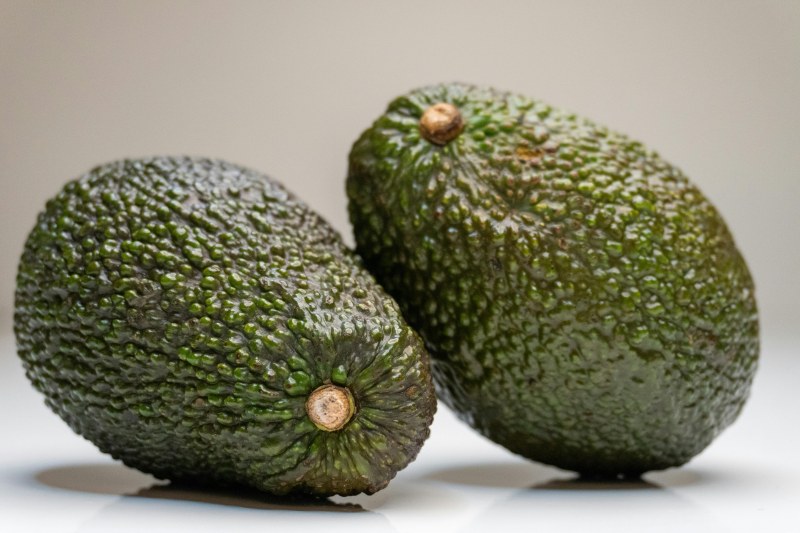
Store bananas, avocados, or mangoes in a paper bag. The bag traps ethylene gas (which causes ripening) but allows some air flow, slowing the process.
3. Cloth Wrapping (for Citrus 🍊)
Wrap each orange, lemon, or lime in a clean cotton cloth. This retains moisture and prevents them from drying out, extending their shelf life by up to a week.
4. Root Cellar Alternative (for Hard Fruits 🍐)
Place apples, pears, or plums in a ventilated box (like a cardboard box with holes) and store in a cool, dark spot (basement, pantry, or even a closet). This mimics a root cellar’s conditions.
5. Dehydration (for Any Fruit 🌞)
Use a dehydrator or set your oven to 140°F (60°C) for 4-8 hours. Dehydrated fruits last for months and are perfect for snacks.
Here’s a quick comparison to help you choose:
| Method | Effort Level (1-5) | Cost | Pros | Cons |
|---|---|---|---|---|
| Vinegar Wash | 2 | Low | Kills mold, easy to do | Requires rinsing, not for citrus |
| Paper Bag | 1 | Free | Works for ripening fruits | Only slows ripening, not for delicate berries |
| Cloth Wrapping | 3 | Low | Keeps citrus fresh longer | Time-consuming for many fruits |
| Root Cellar Alternative | 4 | Low | Ideal for hard fruits, long shelf life | Needs cool, dark space |
| Dehydration | 5 | Med (if using dehydrator) | Fruits last months, great for snacks | Takes time, changes texture |
A Camping Story: Saving My Blueberries 🍓
Last summer, I went on a 3-day camping trip with friends. I packed a pint of blueberries, but I was worried they’d go bad quickly. Remembering the vinegar wash trick, I mixed a small batch in my water bottle (1 tsp vinegar + 10 tsp water), soaked the berries for 5 minutes, then dried them with a paper towel. Three days later, my blueberries were still firm and sweet—while my friend’s unwashed berries had mold spots. It was a simple hack that made our trip way better!
Wisdom from the Past
“Waste not, want not.” — Traditional Proverb
This old saying is more relevant than ever. By using these methods, you’re not just keeping your fruits fresh—you’re reducing food waste and saving money. Every berry or apple you save from going bad is a small win for both your wallet and the planet.
Common FAQ
Q: Can these methods work for all fruits?
A: Not exactly. For example, vinegar wash is perfect for delicate berries but unnecessary for citrus. Paper bags work best for fruits that ripen after picking (like bananas), while root cellar alternatives are great for hard fruits like apples. Always check which method fits your fruit type!
Whether you’re camping, living in a small space, or just want to reduce fridge clutter, these hacks will help you keep your fruits fresh longer. Give them a try—your taste buds (and wallet) will thank you!