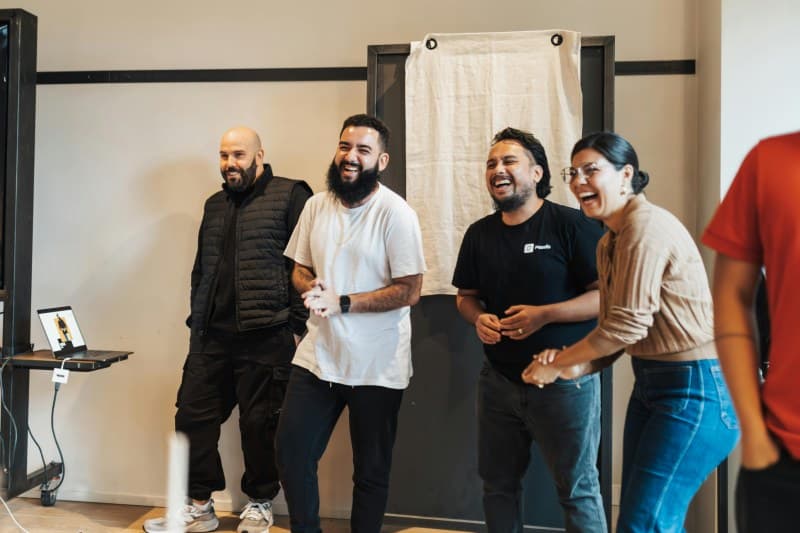
Last summer, I joined a pickup soccer game at my local park. The regulars were fast, sharp, and played like they were in a championship. New players like me spent most of the time chasing the ball or sitting on the sidelines, feeling invisible. By the end, half the group left early, and the game fizzled out. That’s the problem with casual sports: when skill gaps widen, fun fades. But it doesn’t have to be that way.
The 4 Ways to Keep Casual Sports Fun for All Skill Levels
1. Rotate Roles & Positions 🔄
One easy fix is to switch up who plays where. If you’re a soccer regular who usually takes forward, try playing defense for a half. For basketball, have the best shooter pass more instead of taking all the shots. This levels the playing field and lets everyone try new skills.
2. Use Modified Rules 📜
Adjust the rules to fit the group. For example, in volleyball, let beginners serve from closer to the net. In ultimate frisbee, add a “no sprinting” rule for new players. Modified rules don’t take away from the game—they make it accessible.
3. Focus on Team Building Over Competition 🤗
Instead of keeping score, set goals like “pass the ball to everyone at least once” or “high-five three different teammates after a play.” This shifts the focus from winning to connecting, which is what casual sports should be about.
4. Create a “No Pressure” Zone 🛑
Designate a small area or time where mistakes are celebrated, not criticized. For example, in a baseball game, let new players hit off a tee without teasing if they miss. This builds confidence and makes people want to come back.
Compare the 4 Ways: Which Is Right for Your Group?
Here’s a quick breakdown to help you choose:
| Way | Effort Level | Inclusivity Impact | Pros | Cons |
|---|---|---|---|---|
| Rotate Roles | Low | Medium | Easy to implement; encourages skill growth | Some players may resist switching from their favorite position |
| Modified Rules | Medium | High | Directly addresses skill gaps; makes games fairer | Requires group agreement on changes |
| Team Building Goals | Low | High | Boosts morale; reduces stress | May feel “silly” to competitive players |
| No Pressure Zone | Low | High | Builds confidence for beginners | Needs consistent enforcement to work |
Why This Matters: A Classic Quote
“The most important thing in the Olympic Games is not winning but taking part; the essential thing in life is not conquering but fighting well.” — Pierre de Coubertin
This quote isn’t just for Olympians. It’s for casual players too. The point of pickup games isn’t to be the best—it’s to enjoy the game and the people you play with. When we focus on participation over winning, everyone wins.
Q&A: Common Concern
Q: What if some players still take the game too seriously?
A: Start by talking to the group before the game. Say something like, “Let’s make sure everyone has fun today—no harsh comments, okay?” If someone gets competitive, gently remind them of the group’s goal. You can also assign a “fun referee” to keep things light.
Casual sports are about connection, not competition. Try one of these ways next time you play, and watch how the mood shifts. You might even make new friends along the way.