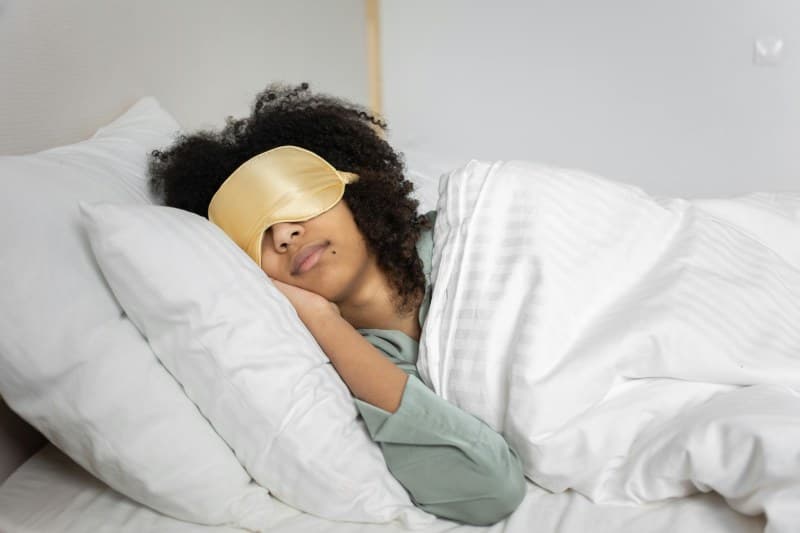
Let’s be real: most of us have stared at the ceiling at 2 AM, scrolling through sleep gadget ads—white noise machines, smart mattresses, blue light filters—wondering if any of them will fix our restless nights. My friend Lila was no exception: she bought a $150 sound machine, used it twice, then forgot about it. Turns out, the best sleep fixes don’t need a credit card. Here are 7 ways to sleep better without spending a dime.
7 Gadget-Free Ways to Improve Sleep Quality
These methods are simple, actionable, and don’t require any fancy tools. Let’s break them down:
- 10-minute pre-bed wind-down (no screens): Swap your phone for a book or journal 10 minutes before bed. The blue light from screens suppresses melatonin, the sleep hormone.
- Adjust room temperature: Keep your bedroom between 60-67°F (15-19°C). Cooler temps help your body prepare for sleep.
- Blackout curtains or eye mask: Block out streetlights or early morning sun. Even small amounts of light can disrupt deep sleep.
- 4-7-8 breathing: Inhale for 4 seconds, hold for 7, exhale for 8. This calms the nervous system and reduces stress.
- Limit liquids before bed: Cut back on water, tea, or soda 1-2 hours before sleep to avoid midnight bathroom trips.
- Consistent sleep schedule: Go to bed and wake up at the same time every day—even on weekends. This trains your body’s internal clock.
- Gentle pre-bed stretch: Do 5 minutes of light stretches (like child’s pose or neck rolls) to release tension from the day.
Comparing the 7 Methods: Which Is Right for You?
Not sure where to start? This table breaks down each method to help you choose:
| Method | Effort Level | Time to See Results | Pros | Cons |
|---|---|---|---|---|
| 10-minute wind-down | Low | 1-2 nights | Easy to fit in; reduces screen time | Requires willpower to put down devices |
| Adjust room temp | Low | 1 night | Immediate effect; improves deep sleep | May need to adjust thermostat frequently |
| Blackout curtains/eye mask | Medium | 1-2 nights | Blocks light completely; affordable | Eye masks can feel uncomfortable for some |
| 4-7-8 breathing | Low | 1 night | Calms anxiety fast; no tools needed | Takes practice to master the rhythm |
| Limit liquids | Medium | 1 night | Reduces midnight wake-ups | May feel thirsty before bed |
| Consistent schedule | High | 1-2 weeks | Long-term sleep improvement; regulates circadian rhythm | Hard to stick to on weekends |
| Gentle stretch | Low | 1-2 nights | Relieves muscle tension; promotes relaxation | May not help if stress is the main issue |
A Classic Wisdom on Sleep
“Early to bed and early to rise makes a man healthy, wealthy, and wise.” — Benjamin Franklin
Franklin’s words ring true today, especially when it comes to the consistent sleep schedule method. While you don’t have to be “early” to bed, keeping a regular routine aligns with your body’s natural rhythm—something Franklin likely understood even without modern sleep science.
FAQ: Common Sleep Questions Answered
Q: Can I still drink coffee and use these methods?
A: Yes! But timing is key. Avoid caffeine (coffee, tea, energy drinks) 6-8 hours before bed. Caffeine has a half-life of 6 hours, so a 2 PM coffee could still affect your sleep at 8 PM.
Another tip: Start with one method first. Trying all 7 at once can feel overwhelming. Pick the one that fits your lifestyle (like 4-7-8 breathing if you’re stressed) and see how it works. Over time, you can add more. Sleep doesn’t have to be complicated—sometimes the simplest fixes are the most effective.