Last summer, I spent three days in Rome’s historic center, eating overpriced carbonara at sidewalk cafes that catered to camera-toting crowds. On day four, I asked my Airbnb host’s teenage daughter where she and her friends ate after school. She led me to a tiny trattoria down a narrow side street—no menus in English, just a chalkboard with daily specials. The carbonara there was creamy, salty, and nothing like the tourist versions. That moment taught me: finding authentic local food in busy cities isn’t about luck—it’s about knowing where to look.
4 Ways to Uncover Authentic Local Food in Tourist Cities
1. Ask the People Who Know the City Best (Service Workers)
Skip the hotel concierge (they often get commissions from tourist spots) and talk to baristas, taxi drivers, or grocery store cashiers. These folks eat out regularly and know the spots that don’t waste time on fancy presentations. For example, in Tokyo, a taxi driver once took me to a hidden ramen shop in Shinjuku—no signs in English, but the line of locals told me everything I needed to know.
2. Wander Residential Neighborhoods (Away from Main Squares)
Tourist areas are designed for quick, easy meals. To find real food, walk 10-15 minutes from the main attractions into residential areas. In Barcelona, I wandered from La Rambla to Gràcia and found a family-run tapas bar where the owner served me patatas bravas with a secret sauce he’d been making for 30 years.
3. Follow Local Food Bloggers (Not Influencers)
Social media is full of influencers posting pretty dishes, but local food bloggers focus on taste and authenticity. Look for blogs with titles like “My Favorite Hidden Eateries in [City]” or “Where Locals Eat in [Neighborhood]”. In Mexico City, I used a blog by a local food writer to find a street taco stand that had been around since 1950.
4. Visit Morning Markets (For Fresh, Local Flavors)
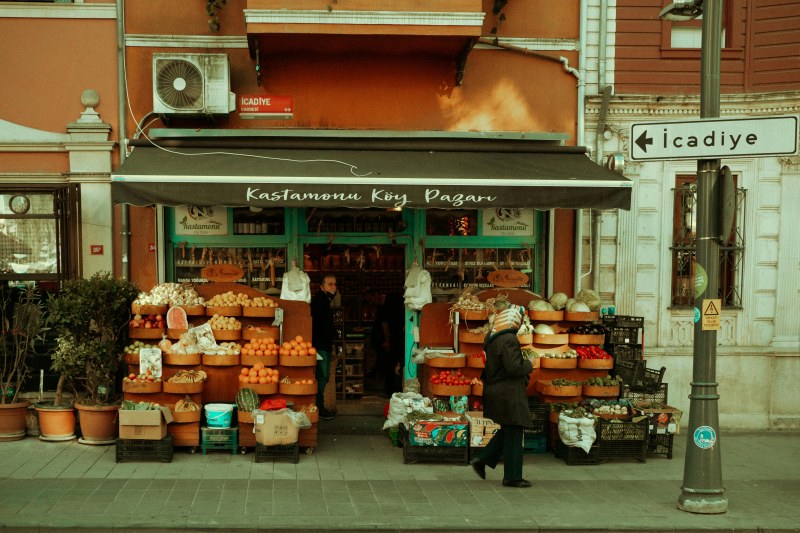
Morning markets are where locals buy their ingredients—and often eat breakfast. In Bangkok, the Chatuchak Weekend Market has a section with street food stalls that serve khao soi and mango sticky rice to early shoppers. The prices are low, and the food is made with fresh, local produce.
Here’s how the four methods stack up in terms of budget, effort, and authenticity:
| Method | Budget | Effort Level | Authenticity Level | Pros | Cons |
|---|---|---|---|---|---|
| Ask Service Workers | Low | Low | High | Quick answers, trusted recommendations | Depends on language barrier |
| Wander Residential Areas | Medium | Medium | Very High | Serendipitous finds, quiet atmosphere | Might get lost |
| Local Food Bloggers | Medium | Low (pre-trip) | High | Pre-planned, detailed reviews | Blogs might be outdated |
| Morning Markets | Low | Low (if you wake up early) | Very High | Fresh ingredients, cheap prices | Only available early in the day |
“Food is our common ground, a universal experience.” — James Beard
This quote rings true because food connects us to the heart of a place. When you eat what locals eat, you’re not just filling your stomach—you’re learning about their culture, their history, and their way of life.
Common Question: Is It Safe to Eat Street Food in Tourist Areas?
Q: I’m worried about getting sick from street food in busy tourist spots. Should I avoid it?
A: Not necessarily! Look for stalls with long lines of locals—this is a sign the food is fresh and safe. Also, choose stalls that cook food to order (like grilled meats or stir-fries) instead of pre-made dishes. In my experience, street food from local-run stalls is often safer than overpriced restaurant food in tourist areas.
Finding authentic local food in tourist cities doesn’t have to be hard. By asking the right people, wandering off the beaten path, following local bloggers, and visiting morning markets, you can taste the real flavor of a place. Remember: the best meals aren’t always the ones with the fanciest menus—they’re the ones shared with locals, in the spots they love.