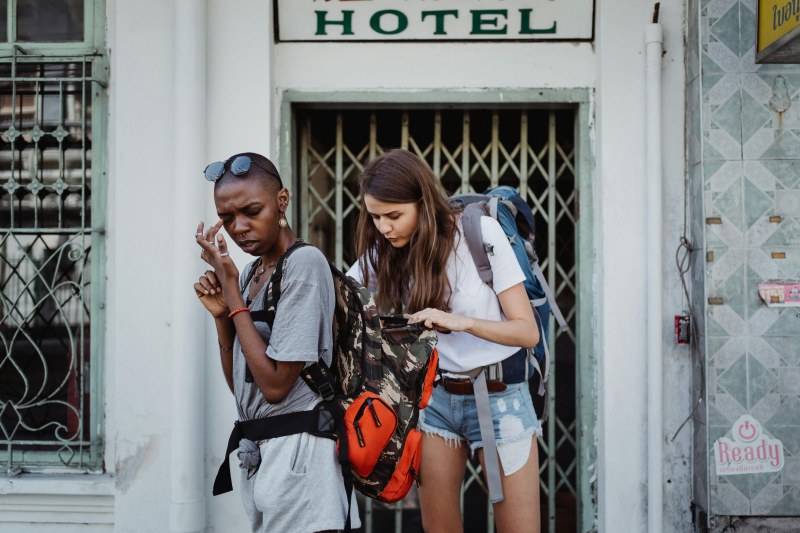
Ever felt like you’re seeing a city through a tourist filter—sticking to the main squares and chain cafes instead of the real, lived-in parts? You’re not alone. Most travelers want to connect with local culture, but it’s easy to get stuck in the tourist bubble. The good news? There are simple ways to step out of it and experience a place like a resident. Let’s break down 5 actionable methods, complete with what you need to know before trying each.
1. Shop at Neighborhood Markets (Not Tourist Bazaars) 💸
Tourist markets are fun, but neighborhood markets are where locals buy their daily bread, fresh produce, and chat with vendors. Think of Mexico City’s Mercado de la Merced—no overpriced souvenirs here, just stacks of chiles, homemade tortillas, and vendors calling out deals. You don’t have to buy anything (though trying a fresh fruit cup or a tamale is a must). Just walk slowly, observe how locals interact, and maybe strike up a conversation (use a translation app if needed). Pro tip: Go early in the morning when markets are busiest and produce is freshest.
2. Stay in a Homestay (Skip the Hotel Chain) 🏠
Hotels are convenient, but homestays let you live with a local family. For example, in Kyoto, you might stay with an elderly couple who makes traditional breakfast (miso soup, pickles, rice) and gives you tips on hidden temples off the beaten path. Most homestays include meals and small tours, so you get insider knowledge you won’t find in a guidebook. Just remember to respect their house rules—like taking off shoes or not staying out too late. Platforms like Airbnb Experiences or Homestay.com can help you find reputable options.
3. Join a Local Workshop or Class 🎨
Taking a class is a great way to learn a local skill and meet residents. Whether it’s making pasta in Rome, weaving in Peru, or calligraphy in Seoul, these workshops are usually led by locals who are passionate about their craft. For instance, a pasta-making class in a Roman grandmother’s kitchen will teach you more about Italian culture than any museum. Most classes last 2–3 hours and include materials, so you leave with a new skill and a souvenir you made yourself.
4. Eat at Family-Run Hole-in-the-Wall Spots 🍜
Chain restaurants and tourist-friendly cafes are easy to find, but family-run spots are where you get authentic, affordable food. Look for places with no English menus, locals sitting at the counter, and minimal decor. In Bangkok, a tiny street stall selling pad thai with a long line of locals is a sure sign of good food. Don’t be afraid to point at what others are eating if you can’t read the menu—most owners are happy to help.
5. Wander Off the Main Tourist Paths 🚶
The best way to find hidden gems is to get lost (in a safe area). Skip the crowded main streets and turn down a side alley—you might find a quiet park, a local bookstore, or a street art wall. In Paris, instead of the Eiffel Tower area, try wandering the Marais district’s narrow streets, where you’ll find small boutiques and cozy cafes. Just make sure you have a map or GPS to avoid getting too lost!
Here’s a quick breakdown of each method to help you choose what fits your travel style:
| Method | Time Investment | Cost Range | Pros | Cons |
|---|---|---|---|---|
| Neighborhood Markets | 1–2 hours | Low ($0–$15) | Authentic, cheap, easy to access | May be crowded, language barrier |
| Homestay | 2+ nights | Medium ($50–$150/night) | Insider tips, home-cooked meals | Less privacy, need to adapt to rules |
| Local Workshop | 2–3 hours | Medium ($30–$100) | Hands-on learning, meets locals | Requires pre-booking, limited availability |
| Family-Run Eats | 30–60 minutes | Low ($5–$20) | Authentic food, affordable | Language barrier, no English menus |
| Wander Off Path | 1–4 hours | Free | Finds hidden gems, flexible | Risk of getting lost, may not find key spots |
Experiencing local culture isn’t about checking off a list—it’s about slowing down and engaging with the people and places that make a destination unique. Whether you’re wandering a market or taking a cooking class, these methods will help you create memories that last longer than any souvenir. So next time you travel, skip the tourist traps and try one of these ways—you might be surprised at what you find.