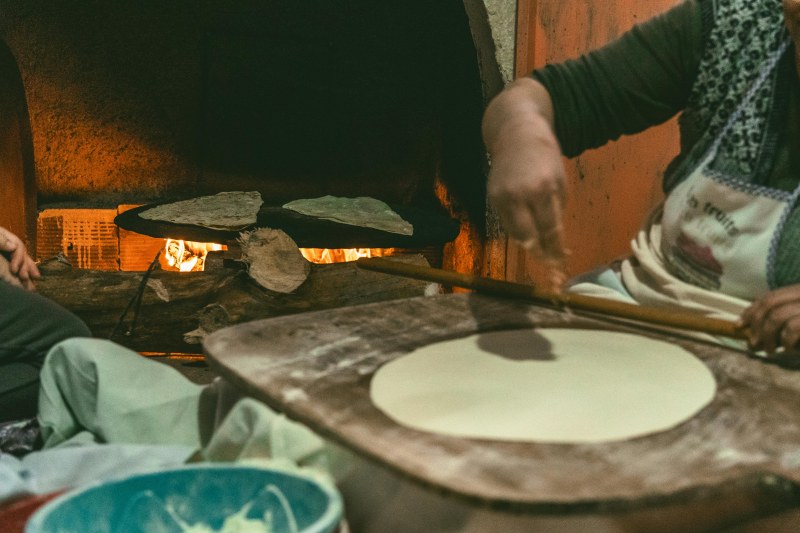
Last year, my friend Lila went to Oaxaca, Mexico, and skipped the all-inclusive resort for a $15 cooking class with Doña Maria, a local grandmother. She learned to make mole from scratch, laughed over burnt tortillas, and left with a jar of Doña’s homemade salsa and a new friend. That’s the kind of authentic experience most travelers crave—without breaking the bank.
7 Budget-Friendly Ways to Experience Local Culture
You don’t need a luxury budget to connect with locals and understand their way of life. Here are 7 actionable ways:
- Join a neighborhood cooking class: Skip tourist-centric classes and look for small, family-run ones (check Facebook groups or local bulletin boards).
- Visit a daily local market: Avoid the crowded tourist markets—head to the ones where locals buy their groceries. Strike up a conversation with a vendor (even with basic phrases).
- Volunteer for a few hours: Help at a community garden, animal shelter, or local school. Organizations like Workaway offer short-term opportunities in exchange for food and accommodation.
- Take public transport: Buses, trains, or tricycles are cheap and let you see how locals commute. You might even make a friend who offers a tip on a hidden café.
- Attend a local festival: Check community calendars for small-town festivals (not the big tourist ones). Think harvest fairs or religious processions—most are free to join.
- Stay in a homestay: Homestays are often cheaper than hotels and give you direct access to local life. You’ll eat home-cooked meals and learn about daily routines.
- Learn 5 key phrases: Even “hello,” “thank you,” and “where is the bathroom?” can open doors. Locals appreciate the effort, and it often leads to longer conversations.
Compare the 7 Ways
Here’s a quick breakdown to help you pick the best option for your trip:
| Way | Effort Level | Budget Impact | Pros | Cons |
|---|---|---|---|---|
| Cooking Class | Medium | Low-Med | Hands-on, learns local recipes | May require booking in advance |
| Local Market | Low | Low | Immediate interaction, cheap snacks | Can be overwhelming for first-timers |
| Volunteer | High | Very Low | Deep connection, free accommodation/food | Takes time away from sightseeing |
| Public Transport | Low | Very Low | Authentic commute experience | Language barrier for route planning |
| Local Festival | Low | Free | Immersive cultural experience | May not align with your travel dates |
| Homestay | Medium | Low | Daily local life access | Less privacy than hotels |
| Key Phrases | Low | Free | Easy to start conversations | Limited to basic interactions |
Wisdom from a Travel Legend
“Travel isn’t about the destination, it’s about the people you meet along the way.” — Anthony Bourdain
This quote sums up why these budget-friendly ways work: they put you in contact with real people, not just tourist attractions. Bourdain often emphasized eating with locals and stepping off the beaten path—exactly what these tips encourage.
FAQ: Common Questions About Authentic Travel
Q: Is it safe to join local events as a solo traveler?
A: Yes! Most local events are family-friendly and welcoming. Just do a quick online check for safety tips (e.g., avoid isolated areas) and follow local customs (like dressing modestly if required). For example, in Kyoto, Japan’s Gion Matsuri festival is packed with families and solo travelers alike—safe and full of fun.
Q: Do I need to speak the local language to have these experiences?
A: No, but even a few phrases go a long way. Body language and a smile can bridge most gaps. Lila didn’t speak much Spanish, but Doña Maria used hand gestures and shared recipes without words—they still bonded over food.
Final Thoughts
Authentic travel isn’t about how much you spend—it’s about being open to new experiences. Whether you’re taking a bus with locals or learning to cook a traditional dish, these small moments will make your trip unforgettable. So next time you plan a trip, skip the tourist traps and try one of these 7 ways—you won’t regret it.