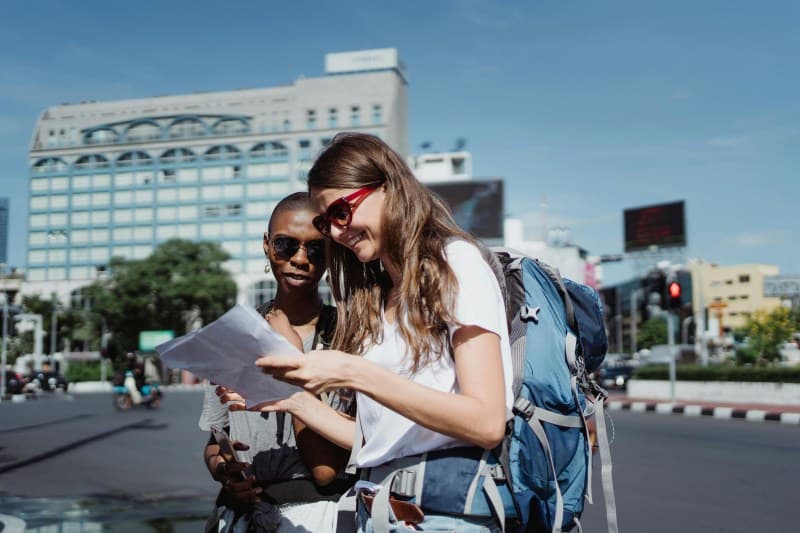
Last summer, I visited Barcelona and spent my first three days hitting all the usual spots: Sagrada Família, La Rambla, Park Güell. But something felt off—like I was looking at the city through a postcard instead of living it. Then a friend suggested joining a local walking tour focused on street art, not the main attractions. Suddenly, I was eating patatas bravas at a tiny bar where no one spoke English, and learning about the city’s underground art scene from a local artist. That’s when I realized: experiencing a city like a local doesn’t require knowing someone—it just takes the right approach.
5 Ways to Explore Like a Local (Comparison Table)
Below is a breakdown of the top methods to immerse yourself in a city’s local culture, even if you’re traveling alone:
| Method | Effort Level | Budget Range | Pros | Cons |
|---|---|---|---|---|
| Join Local Hobby Groups | Medium | Low ($0–$20) | Meet like-minded locals, learn new skills | May require advance planning (e.g., signing up online) |
| Volunteer for Community Projects | High | Free | Deep cultural connection, gives back | Takes time (1–3 days minimum) |
| Niche Local Tours | Low | Medium ($25–$50) | Insider knowledge from local guides | Less flexible than self-guided options |
| Shop at Neighborhood Markets & Eat Family-Run Spots | Low | Low ($10–$30) | Try authentic food, observe daily life | May need to navigate language barriers |
| Rent Local Apartment & Use Public Transport | Medium | High ($50–$150/day) | Living like a resident, access to hidden gems | More expensive than hotels |
Why Local Experiences Matter
Traveling isn’t just about seeing landmarks—it’s about understanding how people live. As Saint Augustine once said:
The world is a book, and those who do not travel read only one page.
This quote reminds us that to truly “read” a city, we need to step beyond tourist traps. For example, instead of eating paella at a restaurant near La Rambla, try a family-run spot in the Gràcia neighborhood where locals have been dining for decades. The food is cheaper, tastier, and you’ll get a glimpse into how Barcelona residents spend their evenings.
Real-Life Example: Finding Hidden Ramen in Tokyo
Take my friend Mia, who visited Tokyo alone last year. She joined a local miso soup cooking class through a community center. The instructor, a retired chef named Hana, not only taught her to make authentic miso but also invited her to a nearby izakaya after class. There, Mia met other locals who told her about a hidden ramen shop in Shinjuku that’s only open after 10 PM. She ended up going three times, and now she’s still in touch with Hana via email. “That shop wasn’t on any tourist list,” Mia said. “But it’s the best ramen I’ve ever had.”
Common Questions Answered
Q: Is it safe to join local groups as a solo traveler?
A: Yes! Most local groups (like hiking or book clubs) are welcoming to visitors. Just take basic precautions: check online reviews, meet in public places first, and let someone know where you’re going. Apps like Meetup are great for finding vetted groups.
Q: What if I don’t speak the local language?
A: Don’t worry! Use translation apps like Google Translate to ask simple questions (e.g., “Where do you buy fresh bread?”) or carry a small notebook to write down names. Smiles and gestures go a long way—locals often appreciate the effort to connect.
Final Thoughts
Experiencing a city like a local doesn’t have to be complicated. Whether you join a cooking class, volunteer, or just wander through a neighborhood market, the key is to be open to new experiences. You might not get every detail right, but that’s part of the fun—after all, the best travel stories come from the unexpected moments.