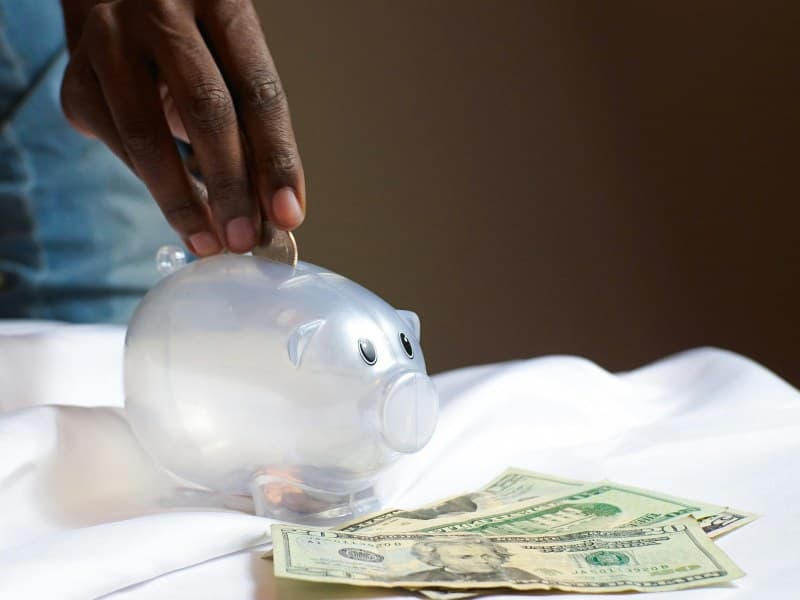
Let’s start with Maria’s story: She tried to save by cutting her daily $5 latte, but after two weeks of feeling deprived, she caved. Sound familiar? Saving doesn’t have to mean sacrificing everything you love. The trick is finding habits that fit your lifestyle, not the other way around. Here are four ways to build a savings habit that actually sticks.
1. Micro-Savings Challenges: Small Steps, Big Results
Micro-savings are all about tiny, consistent contributions that add up over time. Think round-up apps (like Acorns or Chime) that round your purchases to the nearest dollar and put the difference into savings. Or the 52-week challenge: save $1 in week 1, $2 in week 2, and so on—by week 52, you’ll have $1,378.
Example: Maria started using a round-up app. Her $3.75 coffee became $4, with 25 cents saved. Over a month, that’s $3 (12 coffees) and $36 a year—without even noticing.
2. Pay Yourself First: Automation Takes the Work Out
This is a classic trick: before you pay any bills or spend on wants, transfer a fixed amount to savings. Set up an auto-transfer from your checking to savings account on payday. It’s like paying a non-negotiable bill to your future self.
Example: Maria set up a $50 auto-transfer every two weeks. After six months, she had $600 saved—no willpower required.
3. Fun Savings Goals: Motivate With What You Love
Instead of saving for “a rainy day” (which feels vague), pick a specific, fun goal. Want to see your favorite band in concert? Save for that. Dream of a weekend trip to the beach? That’s your target. Having a clear, exciting goal makes it easier to say no to small, unnecessary purchases.
Example: Maria decided to save for a $200 concert ticket. She skipped one takeout meal a week ($15) and put that money aside. In 14 weeks, she had her ticket—and felt proud, not deprived.
4. Swap-Based Budgeting: Replace, Don’t Remove
Instead of cutting out all your favorite things, swap them for cheaper alternatives. Love eating out? Try cooking your favorite restaurant dish at home once a week. Enjoy streaming services? Share an account with a friend. The key is to keep the joy, but reduce the cost.
Example: Maria swapped her weekly $20 sushi takeout for a homemade sushi night ($10). She saved $10 a week—$520 a year—without giving up sushi.
Compare the 4 Ways: Which Is Right for You?
Here’s a quick breakdown to help you choose:
| Method | Effort Level | Fun Factor | Short-Term Gain | Pros | Cons |
|---|---|---|---|---|---|
| Micro-Savings | Low | Medium | Yes | Easy to start, no willpower needed | Slow growth initially |
| Pay Yourself First | Low (once set up) | Low | Yes | Consistent, builds discipline | Requires initial setup, may need to adjust if income varies |
| Fun Goals | Medium | High | Yes (when goal is met) | Motivating, feels rewarding | May take longer to reach big goals |
| Swap-Based Budgeting | Medium | High | Yes | Keeps joy in spending, flexible | Requires creativity and planning |
Wisdom to Remember
“A penny saved is a penny earned.” — Benjamin Franklin
Franklin’s words remind us that every small saving counts. You don’t need to save hundreds of dollars a month to build a habit—even $5 or $10 adds up over time.
FAQ: Common Question
Q: What if I don’t have any extra money to save?
A: Start with micro-savings (round-ups) or swap one small thing. For example, if you buy a $3 snack every day, swap it for a $1 fruit—saving $2 a day, or $730 a year. Every little bit helps.
Building a savings habit isn’t about being perfect. It’s about finding what works for you and sticking with it. Pick one method from the list and try it this month—you’ll be surprised at how much you can save.