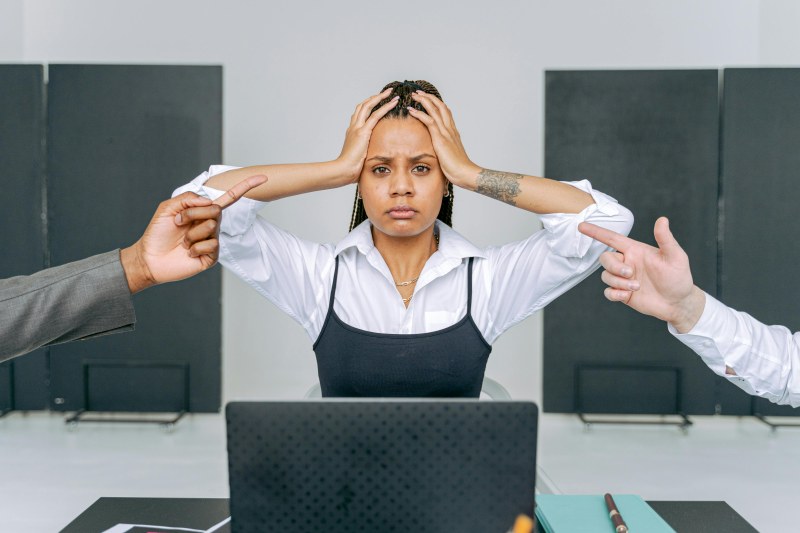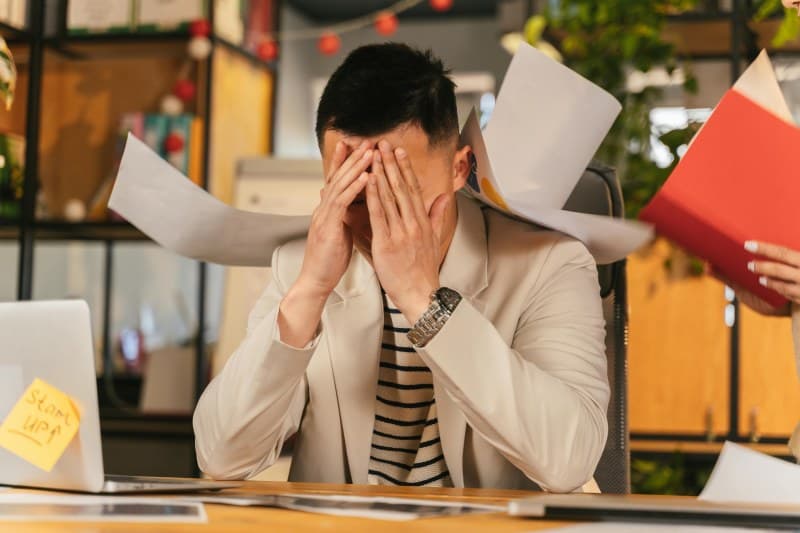
Let’s start with a relatable story: Lila had a big client presentation last week. She stayed up late prepping, and by the morning, her shoulders were so tight she could barely turn her head. Her skin broke out in a tiny pimple on her forehead, and her stomach felt twisted. She didn’t realize it at the time, but all those physical symptoms were her body’s way of reacting to stress.
7 Key Physical Impacts of Stress on Your Body
Stress triggers your body’s 'fight-or-flight' response, releasing hormones like cortisol and adrenaline. Over time, this can take a toll on different parts of your body. Here’s a breakdown:
| Impact Area | What Happens | Quick Note |
|---|---|---|
| Heart | Increased heart rate and blood pressure | Chronic stress raises long-term hypertension risk |
| Digestive System | Bloating, acid reflux, or irritable bowel symptoms | Stress disrupts the gut-brain connection |
| Skin | Breakouts, eczema flare-ups, or dryness | Cortisol increases oil production and inflammation |
| Muscles | Tension headaches, back pain, or jaw clenching | Muscles stay tight to protect against injury (even if there’s no threat) |
| Immune System | Weaker response to germs, more frequent colds | Cortisol suppresses immune cell activity |
| Sleep | Insomnia, restless nights, or early waking | Stress hormones make it hard to wind down |
| Mood | Irritability, brain fog, or low energy | Chronic stress affects neurotransmitters like serotonin |
Common Stress Myths (Busted!)
Let’s clear up some misconceptions:
- Myth 1: Stress is always bad. Fact: Short-term stress (like a deadline push) can boost focus and motivation.
- Myth 2: Only big events cause stress. Fact: Small, daily stressors (like traffic or a full inbox) add up over time.
- Myth 3: You have to 'tough it out' through stress. Fact: Ignoring stress can lead to more serious physical issues.
Simple Coping Tips for Everyday Stress
You don’t need fancy tools to manage stress. Try these small changes:
- Take 5 minutes to deep breathe: Inhale for 4 counts, hold for 4, exhale for 6.
- Stretch your shoulders or neck every hour if you sit at a desk.
- Write down 1 thing you’re grateful for each day—this shifts your focus to positive thoughts.
The greatest weapon against stress is our ability to choose one thought over another. — William James
This quote reminds us that stress isn’t just about what happens to us—it’s about how we respond. Choosing to reframe a stressful situation (like seeing a deadline as a challenge instead of a threat) can make a big difference.
FAQ: Your Stress Questions Answered
Q: Can stress really cause skin breakouts?
A: Yes! When you’re stressed, your body produces more cortisol, which increases oil production in your skin. This excess oil clogs pores, leading to pimples or acne flare-ups. If you notice breakouts during busy times, it’s likely stress-related.
Q: How long does it take for stress to affect your body?
A: Short-term stress (like a quick scare) can trigger immediate symptoms (racing heart, sweaty palms). Chronic stress (lasting weeks or months) takes longer to show up but has more lasting impacts—like high blood pressure or weakened immunity.
Remember: Everyone experiences stress differently. The key is to listen to your body and take small steps to manage it before it becomes overwhelming.