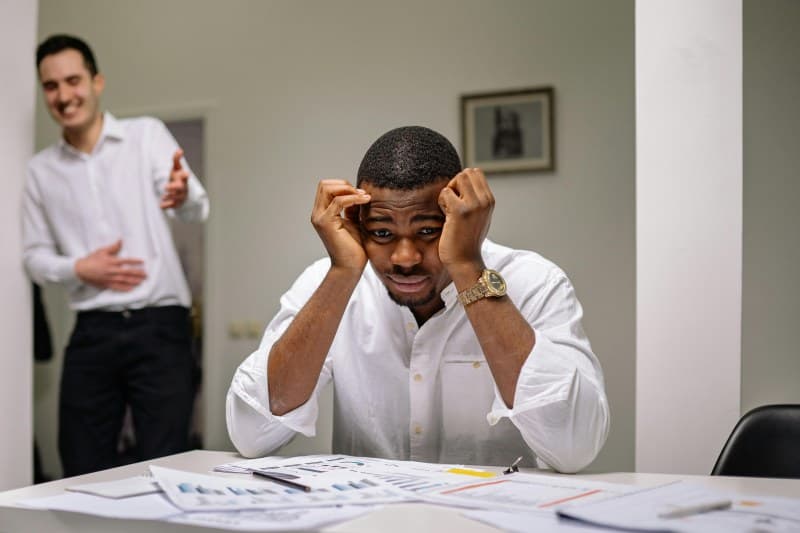
Last week, my friend Lila texted me at 2 a.m.: “Can’t sleep. My to-do list is playing on loop in my head.” Sound familiar? Stress and sleep are like oil and water—they don’t mix well. But how exactly does stress mess with our ability to rest deeply?
4 Key Ways Stress Disrupts Sleep Quality
Stress triggers a cascade of physical and mental changes that throw our sleep cycle off balance. Here are the four most impactful ways:
| Mechanism | How It Affects Sleep | Real-Life Example |
|---|---|---|
| Cortisol Overload | The stress hormone cortisol stays high at night, delaying the onset of sleep and reducing deep rest. | After a tough work presentation, you lie awake for hours even though you’re tired. |
| Racing Thoughts | Hyperarousal from stress keeps your brain active, making it hard to quiet your mind and fall asleep. | You replay a conflict with a friend over and over instead of drifting off. |
| Frequent Nighttime Awakenings | Stress primes your body for “fight or flight,” causing you to wake up suddenly (often without knowing why). | You wake up at 3 a.m. and can’t get back to sleep for an hour. |
| Reduced Deep Sleep | Stress skips the restorative deep sleep stages, leaving you feeling groggy even after 8 hours. | You sleep through the night but still feel exhausted the next day. |
Common Myths About Stress and Sleep (Debunked)
Let’s clear up some misconceptions:
- Myth 1: “I can push through sleep loss and still function.”
Truth: Chronic sleep disruption from stress weakens your immune system and impairs focus over time. - Myth 2: “Drinking alcohol helps me sleep through stress.”
Truth: Alcohol may help you fall asleep faster, but it disrupts deep sleep and causes frequent awakenings later in the night.
“He who does not know how to rest, does not know how to work.” — Seneca
This ancient wisdom rings true: Ignoring stress’s impact on sleep leads to burnout, not productivity. Taking time to rest isn’t lazy—it’s essential for handling stress well.
Practical Tips to Ease Stress for Better Sleep
Small changes can make a big difference. Try these:
- 10-minute pre-sleep deep breathing: The 4-7-8 technique (inhale 4 sec, hold 7 sec, exhale 8 sec) calms your nervous system. Lila tried this and fell asleep 20 minutes faster.
- Write down your to-do list: Jotting down tasks an hour before bed gets them out of your head so you don’t ruminate.
- Limit screen time: Blue light from phones and TVs suppresses melatonin (the sleep hormone). Swap screens for a book or gentle stretching.
FAQ: Your Stress & Sleep Questions Answered
Q: Is it normal to have trouble sleeping during a stressful week?
A: Yes—short-term sleep disruptions from stress are common. But if it lasts more than 2-3 weeks, it’s worth talking to a healthcare provider to rule out other issues.