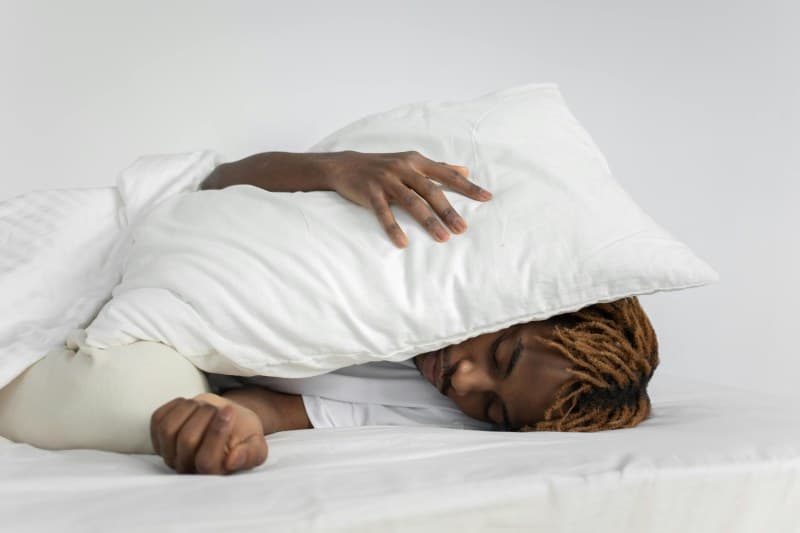
Let’s start with a relatable moment: Sarah, a 32-year-old teacher, tossed and turned until 3 a.m. worrying about an upcoming parent-teacher conference. The next day, she snapped at a student for forgetting their homework (a small mistake she’d usually brush off) and cried in her car during lunch. Later, she realized her bad mood wasn’t just about the conference—it was the lack of quality sleep. This is a story many of us know, but what’s the science behind it?
The 5 Key Links Between Sleep and Mood
Sleep isn’t just about resting your body—it’s a time for your brain to process emotions, regulate hormones, and reset. Here are the critical ways sleep quality shapes your mood:
- REM Sleep & Emotional Processing: REM (Rapid Eye Movement) sleep is when your brain rehashes daily experiences. Skipping REM (common with late-night screen time) can leave you feeling overwhelmed by small stressors.
- Deep Sleep & Cortisol Regulation: Deep sleep lowers cortisol (the stress hormone). Without enough, cortisol spikes, making you irritable or anxious.
- Sleep Duration & Serotonin: Serotonin (the “happy hormone”) production drops when you sleep less than 7 hours, leading to low mood.
- Circadian Rhythm & Energy: Irregular sleep (like staying up late on weekends) disrupts your body’s clock, leaving you groggy and moody during the day.
- Sleep Apnea & Mood Swings: Pauses in breathing during sleep (apnea) reduce oxygen flow to the brain, causing fatigue and sudden mood shifts.
To see how specific sleep issues affect mood, check this table:
| Sleep Issue | Mood Effect | Quick Fix |
|---|---|---|
| Insomnia (3+ nights/week) | Irritability, anxiety | 10-minute pre-bed meditation |
| Sleep apnea (snoring + pauses) | Fatigue, mood swings | Elevate head with an extra pillow |
| Restless legs syndrome | Frustration, low energy | Warm bath before bed |
| Late-night screen time | Difficulty focusing, grumpiness | Blue light filter 1 hour before bed |
| Long naps (over 30 mins) | Grogginess, mood slumps | 10-15 minute power naps |
Common Myths About Sleep and Mood (Busted)
Myth 1: You can catch up on sleep on weekends
While a extra hour or two on Saturday might feel good, it disrupts your circadian rhythm. Studies show that “social jetlag” (shifting sleep times on weekends) can lead to persistent mood swings throughout the week.
Myth 2: Only deep sleep matters for mood
REM sleep is just as important. During REM, your brain processes emotional memories—like a fight with a friend or a stressful work meeting. Skipping REM can leave you feeling emotionally raw the next day.
Simple Mood Boosters for When Sleep Is Poor
Even if you had a bad night, you can soften the mood impact with these small steps:
- 🌞 Get 10 minutes of sunlight: Natural light boosts serotonin and resets your circadian rhythm.
- 💧 Drink water: Dehydration worsens fatigue and irritability—sip a glass first thing in the morning.
- 🎶 Listen to upbeat music: A 5-minute dance break to your favorite song can lift your mood by increasing endorphins.
- 🧘 Take a 2-minute breathing break: Inhale for 4 counts, hold for 4, exhale for 6—this lowers cortisol quickly.
FAQ: Your Sleep-Mood Questions Answered
Q: Can a single bad night’s sleep really ruin my mood?
A: Yes! Research from the University of California, Berkeley, found that one night of poor sleep increases irritability by 20-30% and reduces your ability to handle stress. It’s not just “being cranky”—it’s your brain struggling to regulate emotions.
“A good laugh and a long sleep are the best cures in the doctor's book.” — Irish Proverb
This old saying hits the mark: sleep is a natural mood healer. When you prioritize quality sleep, you’re giving your brain the tools it needs to stay balanced, calm, and ready to face the day. So next time you’re feeling off, ask yourself—how did I sleep last night?