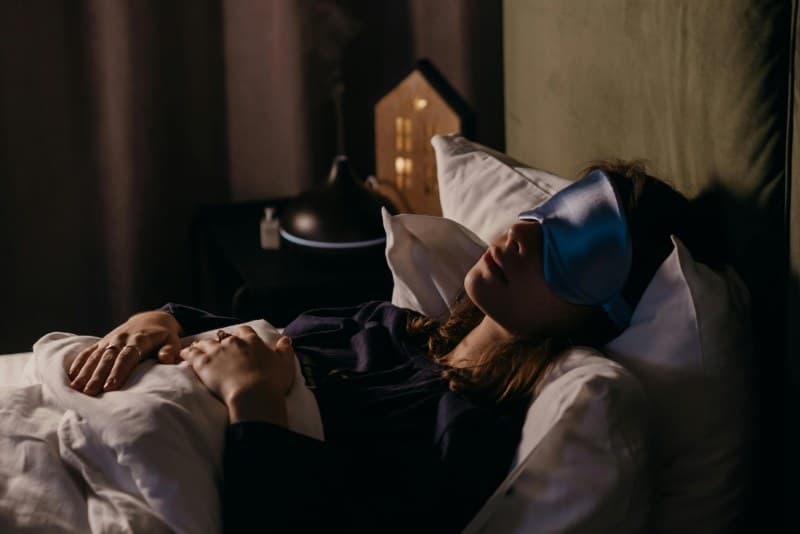
Let’s start with Lila’s story: For weeks, she stayed up scrolling social media until 1 AM, then dragged herself out of bed at 7. She noticed she was snapping at her kids over tiny things—like a spilled glass of milk—and feeling irritable all day. When she started going to bed at 10 PM, her mood shifted: she laughed at her kids’ jokes again and didn’t feel like crying over a missed bus. That’s the power of sleep on mood.
Why sleep and mood are inseparable
Sleep isn’t just about resting your body—it’s about recharging your brain’s emotional batteries. During deep sleep, your brain processes the day’s emotions, sorting out stress and storing positive memories. REM sleep (the dream stage) helps regulate neurotransmitters like serotonin (the ‘happy hormone’) and dopamine (linked to motivation). When you skimp on sleep, these chemicals get out of balance, leading to irritability, anxiety, or even sadness.
6 common myths about sleep and mood (debunked)
- Myth 1: You can catch up on sleep on weekends.
Debunk: This causes ‘social jetlag’—your body’s clock gets confused, leading to mood swings even after a long Saturday nap. - Myth 2: 6 hours of sleep is enough if you’re productive.
Debunk: Most adults need 7-9 hours. Consistent 6-hour sleep leads to chronic mood disruption over time. - Myth3: Napping makes you more tired.
Debunk: A 20-30 minute nap (power nap) boosts mood and alertness—just don’t nap after 3 PM. - Myth4: A warm room helps you sleep better.
Debunk: Your body needs to cool down to produce melatonin (sleep hormone). Keep your room 60-67°F (15-19°C) for optimal rest. - Myth5: Alcohol helps you fall asleep and improve mood.
Debunk: Alcohol disrupts REM sleep, so you wake up feeling groggy and irritable—even if you slept 8 hours. - Myth6: If you can’t sleep, stay in bed until you do.
Debunk: This trains your brain to associate bed with wakefulness. Get up, do a calm activity (like reading), and return when you’re sleepy.
Sleep stages and their mood impact: A quick comparison
Each sleep stage plays a unique role in your mood. Here’s how:
| Sleep Stage | Duration per Cycle | Mood Impact |
|---|---|---|
| Light Sleep (Stages 1-2) | 30-45 mins | Prepares your body for deep rest; shortens if you’re stressed. |
| Deep Sleep (Stage3) | 20-30 mins | Repairs emotional stress; lack leads to increased anxiety. |
| REM Sleep | 10-60 mins (longer later in the night) | Regulates mood chemicals; lack causes irritability and mood swings. |
A classic take on sleep and mood
“Sleep that knits up the raveled sleeve of care.” — William Shakespeare, Macbeth
Shakespeare knew it centuries ago: Sleep mends the frayed edges of a stressful day. When you skip sleep, those edges stay raveled—leading to the mood swings Lila experienced.
Practical tips to boost sleep and mood
- Stick to a consistent sleep schedule (even on weekends).
- Turn off screens 1 hour before bed (blue light suppresses melatonin).
- Limit caffeine after 2 PM (it stays in your system for 6-8 hours).
- Try a 20-minute power nap if you’re feeling slumpy.
- Write down worries before bed to clear your mind.
FAQ: Your sleep and mood questions answered
Q: If I miss one hour of sleep, will it ruin my mood the next day?
A: Not necessarily—your body can handle occasional sleep loss. But if you miss an hour every night for a week, you’ll likely notice increased irritability or brain fog. Consistency is key!
Q: Can exercise help improve sleep and mood?
A: Yes! Regular exercise (like walking or yoga) helps you fall asleep faster and deepens your sleep. Just avoid intense workouts 3 hours before bed—they can boost energy and delay sleep.