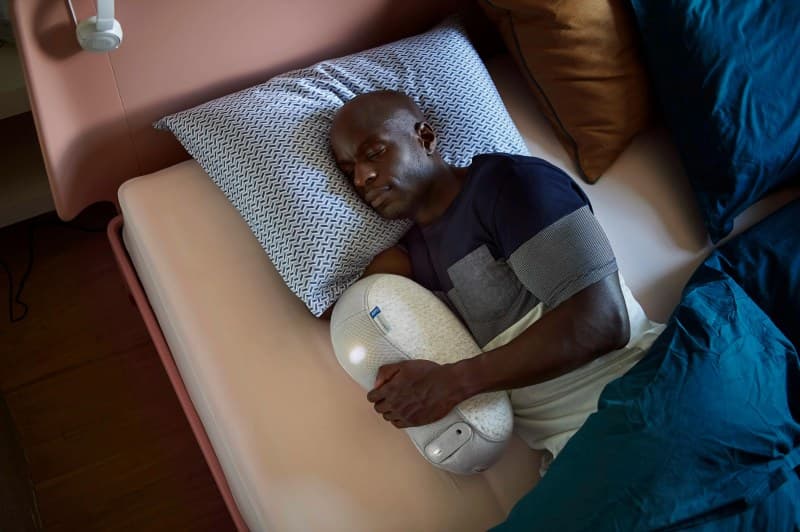
Ever slept 8 hours but woke up feeling like you barely closed your eyes? That’s Sarah’s story. A 32-year-old teacher, she’d hit the pillow at 11 PM and wake at 7 AM, yet drag through her morning lessons. Then she started tracking her sleep and realized she was waking up mid-deep sleep—disrupting her cycle. Adjusting her bedtime by 15 minutes so she woke at the end of a cycle changed everything. Suddenly, 8 hours felt like enough.
What Are Sleep Cycles, Anyway?
Sleep isn’t a single block of rest. It’s a series of repeating cycles, each lasting about 90 minutes. Each cycle has 4 non-REM stages plus REM (rapid eye movement) sleep. Most people go through 4–6 cycles a night, and the balance of these stages affects how rested you feel.
7 Key Elements of Sleep Cycles (and Their Roles)
To understand why cycles matter, let’s break down the core components:
| Element | Details | Main Purpose |
|---|---|---|
| Stage 1 (Light Sleep) | 5–10 mins per cycle; drowsy, easy to wake | Transition from wakefulness to sleep |
| Stage 2 (Light Sleep) | 20–30 mins per cycle; brain waves slow | Memory consolidation, body temperature drops |
| Stage 3 (Deep Sleep) | 15–25 mins per cycle; slow delta waves | Physical recovery, tissue repair, immune boost |
| Stage 4 (Deep Sleep) | 10–15 mins per cycle; deepest rest | Muscle growth, hormone regulation (like growth hormone) |
| REM Sleep | 10–60 mins per cycle (longer later at night); rapid eye movement, vivid dreams | Cognitive function, emotional processing, creativity |
| Cycle Length | ~90 mins per cycle | Maintains balance between rest and recovery |
| Cycles Per Night | 4–6 cycles (total 6–9 hours) | Ensures all stages are completed for full rest |
Common Myths About Sleep Cycles
Let’s bust a few myths that might be sabotaging your rest:
- Myth 1: 8 hours is enough no matter when you sleep.
Reality: Going to bed at 2 AM vs. 10 PM changes how your cycles align with your body’s natural clock. You might get 8 hours, but miss out on deep sleep if your timing is off. - Myth 2: Waking up during REM is bad.
Reality: Waking at the end of a cycle (whether REM or light sleep) is ideal. It’s when you feel most refreshed. Waking mid-deep sleep is what leaves you groggy.
“Early to bed and early to rise, makes a man healthy, wealthy, and wise.” — Benjamin Franklin
While the exact timing isn’t one-size-fits-all, Franklin’s words highlight the value of consistent sleep patterns. Regular bedtimes help your body stick to its natural cycle rhythm, making it easier to wake up refreshed.
Practical Tips to Align With Your Cycles
Want to make the most of your sleep cycles? Try these:
- Track your sleep: Apps like Sleep Cycle or Fitbit can show you when you’re in deep vs. light sleep.
- Wake at the end of a cycle: Calculate 90-minute multiples from your bedtime (e.g., if you go to bed at 10 PM, wake at 5:30 AM (7 cycles) or 7 AM (8 cycles)).
- Avoid screens 1 hour before bed: Blue light suppresses melatonin, which helps you fall into deep sleep.
FAQ: Your Sleep Cycle Questions Answered
Q: Can I make up for lost deep sleep on weekends?
A: While catching up on sleep helps, deep sleep is most concentrated in the first half of the night. So sleeping in on weekends might add more light sleep but not fully replace missed deep sleep. It’s better to stick to a consistent schedule during the week.
Q: Why do I dream more when I sleep late?
A: REM sleep gets longer as the night goes on. If you sleep late, you’re likely waking up from a longer REM cycle, so you remember more dreams.
Understanding your sleep cycles isn’t just about science—it’s about feeling your best. Next time you wake up groggy, check if you’re disrupting your cycles. Small adjustments can make a big difference.