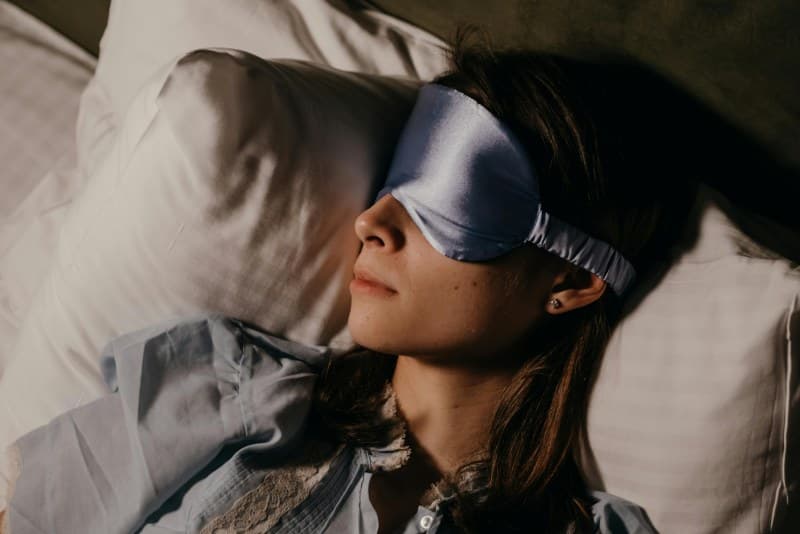
Sarah had been tossing and turning for months, and her gut issues weren’t helping—bloating after every meal, occasional constipation, and a general feeling of unease. She tried cutting out gluten, taking probiotics, and even drinking herbal teas, but nothing stuck. Then her doctor asked about her sleep schedule: she was staying up until 1 AM scrolling social media and waking up at 7 AM for work. ‘Your sleep and gut are talking to each other,’ the doctor said. That’s when Sarah realized she’d been ignoring a key link between the two.
The Sleep-Gut Connection: What You Need to Know
Most of us think of sleep and gut health as separate issues, but they’re deeply intertwined. Research shows a bidirectional relationship: poor sleep can disrupt your gut microbiome (the trillions of bacteria in your digestive tract), and an unhealthy gut can make it harder to sleep well. This loop can leave you feeling tired and uncomfortable—like Sarah did—until you address both sides.
2 Key Mechanisms Linking Sleep to Gut Health
Let’s break down the science behind how sleep affects your gut. These two mechanisms are the foundation of the connection:
1. Circadian Rhythm Alignment
Your body’s circadian rhythm (internal clock) regulates everything from sleep to digestion. Gut cells have their own clocks too—they control when your gut produces enzymes, absorbs nutrients, and maintains its barrier function. When your sleep schedule is irregular (like staying up late or sleeping in on weekends), it throws these gut clocks off balance. This can lead to bloating, indigestion, or even changes in your microbiome.
2. Stress Hormone Regulation
Lack of sleep increases cortisol (the stress hormone) levels. High cortisol disrupts the gut barrier (making it easier for harmful bacteria to enter your bloodstream) and reduces the diversity of your microbiome. A less diverse microbiome is linked to digestive issues like irritable bowel syndrome (IBS) and inflammation.
Here’s a quick comparison of these two mechanisms:
| Mechanism | How Sleep Impacts It | Gut Health Outcome |
|---|---|---|
| Circadian Rhythm | Irregular sleep disrupts gut cell clocks | Indigestion, bloating, nutrient absorption issues |
| Stress Hormones | Poor sleep raises cortisol levels | Weakened gut barrier, reduced microbiome diversity |
Common Myths About Sleep and Gut Health (Debunked)
Let’s clear up some misconceptions:
- Myth 1: Only deep sleep matters for gut health. Fact: All stages of sleep (light, deep, REM) play a role. Light sleep helps regulate gut motility, while deep sleep supports tissue repair in the gut. Skipping any stage can throw things off.
- Myth 2: Gut issues only affect sleep, not the other way around. Fact: It’s a two-way street. Poor sleep can worsen gut issues, and gut issues (like IBS) can make it harder to fall or stay asleep. For example, if you’re bloated or in pain at night, you’re less likely to get restful sleep.
Practical Tips to Support Both Sleep and Gut Health
Small changes can make a big difference. Try these tips:
- Stick to a consistent sleep schedule. Go to bed and wake up at the same time every day—even on weekends. This keeps your circadian rhythm (and gut clocks) in sync.
- Avoid heavy meals before bed. Eating a large meal 2-3 hours before sleep can disrupt digestion and make it harder to fall asleep. Opt for light snacks like a banana (rich in magnesium, which aids sleep) or plain yogurt (probiotics for gut health).
- Reduce screen time before bed. Blue light from phones and TVs suppresses melatonin (the sleep hormone). Try reading a book or doing gentle stretching instead.
- Manage stress. Stress affects both sleep and gut health. Try 5-10 minutes of meditation or deep breathing before bed to lower cortisol levels.
“We are what we repeatedly do. Excellence, then, is not an act, but a habit.” — Aristotle
This quote applies perfectly to sleep and gut health. Consistent, healthy habits (like a regular sleep schedule) are key to keeping both your sleep and gut in top shape. Sarah learned this: after 2 weeks of going to bed at 10 PM and waking at 6 AM, her bloating reduced by 70% and she slept through the night for the first time in months.
FAQ: Your Sleep-Gut Questions Answered
Q: I get 7 hours of sleep but still have gut issues—what’s wrong?
A: It’s not just quantity, but quality. If you’re waking up often, or not getting enough deep/REM sleep, it can still impact your gut. Also, check if your sleep schedule is consistent. Even 7 hours of sleep with an irregular schedule can disrupt your circadian rhythm. Try tracking your sleep with a journal or app to see if you’re getting restful sleep.
Q: Can probiotics help if I have sleep issues linked to my gut?
A: Yes! Some probiotics (like Lactobacillus and Bifidobacterium) have been shown to improve sleep quality by reducing stress hormones and supporting gut health. Talk to your doctor about which probiotic is right for you.