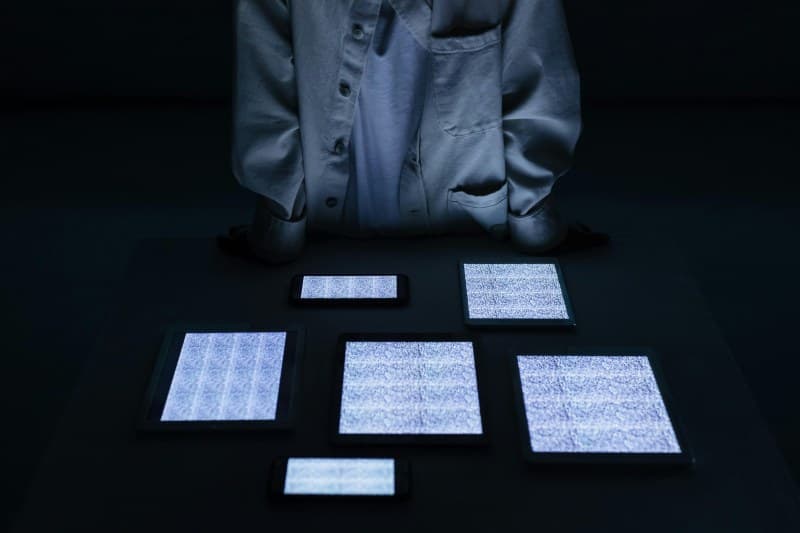
Have you ever found yourself scrolling through your phone at 11 PM, telling yourself “just one more post” — only to lie awake for an hour staring at the ceiling? That’s Sarah’s story. For months, she’d end her day by scrolling social media or watching short videos, then struggle to fall asleep. When she finally decided to put her phone away an hour before bed, she noticed a huge difference: she fell asleep faster and woke up feeling more rested. But why does screen time have such a big impact on sleep?
Two Key Ways Screen Time Disrupts Sleep
Screen time before bed affects sleep in two main ways, both of which throw off your body’s natural sleep-wake cycle (circadian rhythm).
1. Blue Light Suppresses Melatonin
Your body produces melatonin, the hormone that signals it’s time to sleep, as the sun sets. But screens (phones, tablets, TVs) emit blue light — a type of light that mimics daylight. This blue light tricks your brain into thinking it’s still daytime, so it stops producing melatonin. Without enough melatonin, you feel less sleepy and take longer to fall asleep.
2. Mental Stimulation Keeps Your Brain Active
Scrolling through social media, reading work emails, or watching a suspenseful show doesn’t just use your eyes — it engages your brain. Your mind starts processing new information, reacting to posts, or worrying about tomorrow’s tasks. This mental activity makes it hard to switch into “sleep mode” even if you put the screen down.
Let’s compare these two factors to see how they affect sleep and what you can do about them:
| Factor | How It Disrupts Sleep | Quick Fix |
|---|---|---|
| Blue Light | Suppresses melatonin production, delaying sleep onset. | Use blue light filters, switch to grayscale mode, or avoid screens 1 hour before bed. |
| Mental Stimulation | Keeps the brain active, making it hard to wind down. | Replace screen time with calming activities (reading, stretching, meditation). |
“Sleep is the golden chain that ties health and our bodies together.” — Thomas Dekker
This quote reminds us how important sleep is for overall health. When we let screen time disrupt our sleep, we’re breaking that chain. Even small changes to our pre-bed habits can help restore that connection.
Practical Fixes to Improve Sleep Quality
You don’t have to give up screens entirely — just make small adjustments to reduce their impact:
- Set a screen curfew: Put away all screens 1 hour before bed. Use this time to do something calming, like reading a physical book or doing gentle yoga.
- Use warm lights: Swap bright white lights for warm, dim lights in the evening. This helps your body prepare for sleep.
- Turn on grayscale or blue light filters: If you must use a screen, enable these features to reduce blue light exposure.
Common Question: Q&A
Q: Is it okay to watch TV instead of using my phone before bed?
A: TV still emits blue light, but since it’s usually farther from your eyes, the impact might be less than a phone. However, watching a suspenseful show or a fast-paced movie can still mentally stimulate you. It’s better to choose calm content (like a nature documentary) or avoid TV altogether 1 hour before bed.
Sarah tried these fixes: She set her phone to grayscale at 10 PM, put it in another room, and started reading a novel. Within a week, she was falling asleep in 15 minutes instead of an hour. Her mornings felt more energetic, and she even noticed her mood was better. Small changes can make a big difference in your sleep quality.