Last weekend, my friend Mia played her first pickup basketball game in months. By Monday morning, she could barely lift her arms to brush her teeth. She texted me panicking: “Did I break something? Why is this so bad?” If you’ve ever felt that post-casual game soreness, you know exactly what she means. Muscle recovery isn’t just for pro athletes—it’s for anyone who laces up sneakers for fun. Let’s break down how it works, what myths to ignore, and how to get back in the game faster.
What Is Muscle Recovery, Anyway?
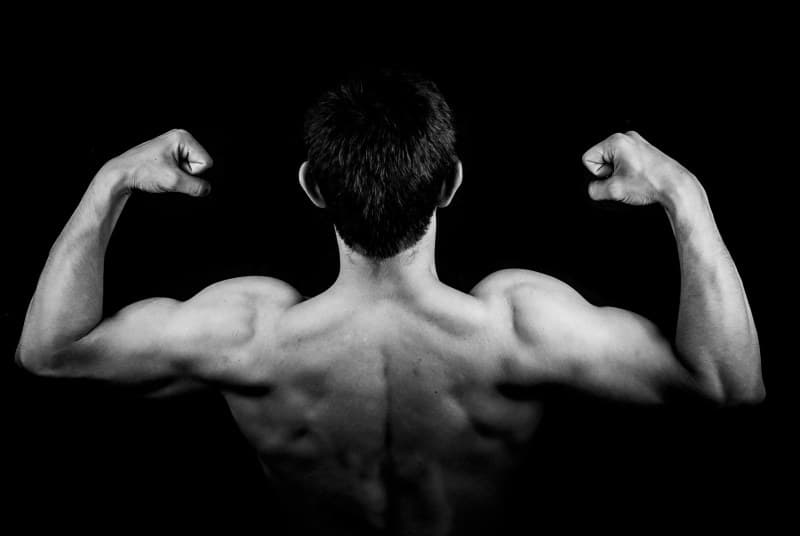
When you move your body—whether running, shooting hoops, or lifting weights—tiny micro-tears form in your muscle fibers. Recovery is your body’s way of repairing those tears, making muscles stronger and more resilient. For casual athletes, this process can take longer if you skip key steps, leading to lingering soreness or even injury.
4 Common Recovery Methods: Which One Fits You?
Not all recovery methods are created equal. Here’s a quick comparison of four popular options for casual athletes:
| Method | Pros | Cons | Best For |
|---|---|---|---|
| Stretching (Post-Workout) | Improves flexibility, reduces tightness | Takes time, may not reduce soreness immediately | People with tight muscles after games |
| Foam Rolling | Relieves muscle knots, boosts blood flow | Can be uncomfortable at first | Athletes with sore legs or back |
| Ice Bath | Reduces inflammation quickly | Unpleasant, not necessary for everyone | Those with intense soreness after long games |
| Active Recovery (Walking/Yoga) | Keeps blood flowing without straining muscles | May not feel like “real” recovery to some | Casual athletes who hate sitting still |
4 Myths About Recovery That Are Holding You Back
Myth 1: Soreness means you had a good workout
Fact: Soreness (delayed onset muscle soreness, or DOMS) is a sign your muscles are adapting—but it’s not a measure of how effective your workout was. You can have a great game without feeling sore the next day.
Myth 2: You need to take complete rest days
Fact: Complete rest (lying on the couch all day) can slow blood flow. Active recovery—like a 20-minute walk or gentle yoga—helps muscles heal faster by bringing oxygen to the damaged fibers.
Myth 3: Ice baths are mandatory
Fact: Ice baths can help reduce inflammation, but they’re not for everyone. A cold shower or even a bag of frozen veggies on sore spots works just as well for casual athletes.
Myth 4: Stretching before workouts prevents soreness
Fact: Pre-workout stretching warms up your muscles, but it doesn’t prevent soreness. Save deep stretching for after your activity to help with recovery.
Wisdom From the Pros
“Rest is not idleness, and to lie sometimes on the grass under trees on a summer's day, listening to the murmur of water, or watching the clouds float across the sky, is by no means a waste of time.” — John Lubbock
Lubbock’s words ring true for recovery. It’s not about being lazy; it’s about giving your body the time and care it needs to heal. For casual athletes, this could mean a walk in the park instead of a full rest day, or a few minutes of foam rolling after a game.
FAQ: Your Recovery Questions Answered
Q: How long should I wait between casual workouts or games?
A: For most casual athletes, 48 hours between the same type of activity is enough. If you played soccer on Saturday, wait until Monday to play again—use Sunday for active recovery like cycling or yoga. This gives your muscles time to repair without losing momentum.
Quick Tips to Speed Up Recovery
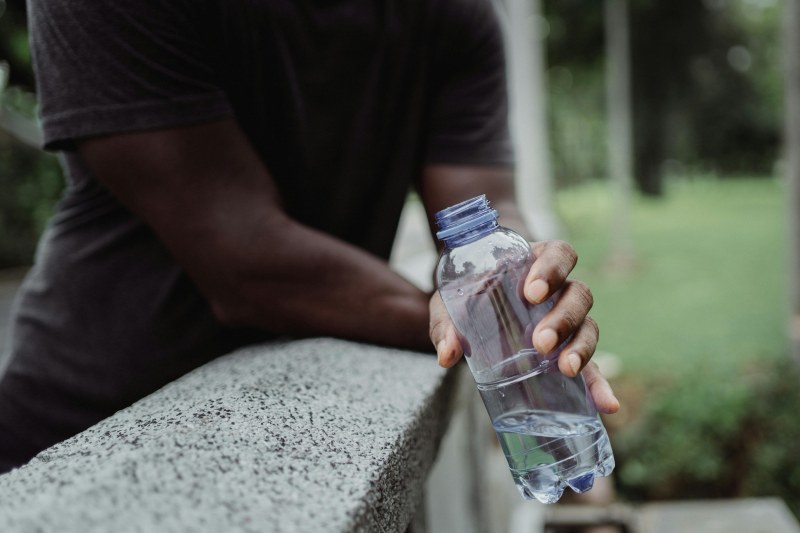
- Drink plenty of water: Dehydration slows down muscle repair.
- Eat protein within 2 hours of activity: Protein helps rebuild muscle fibers (think a protein shake or a chicken salad).
- Get 7-9 hours of sleep: Most recovery happens while you sleep—your body releases growth hormones that repair muscles.
Muscle recovery doesn’t have to be complicated. For casual athletes, small, consistent steps—like foam rolling after a game or taking an active rest day—can make a big difference. Remember: The goal is to have fun, not to push yourself to the point of injury. So next time you feel sore, take a deep breath, grab your foam roller, and let your body do its job.