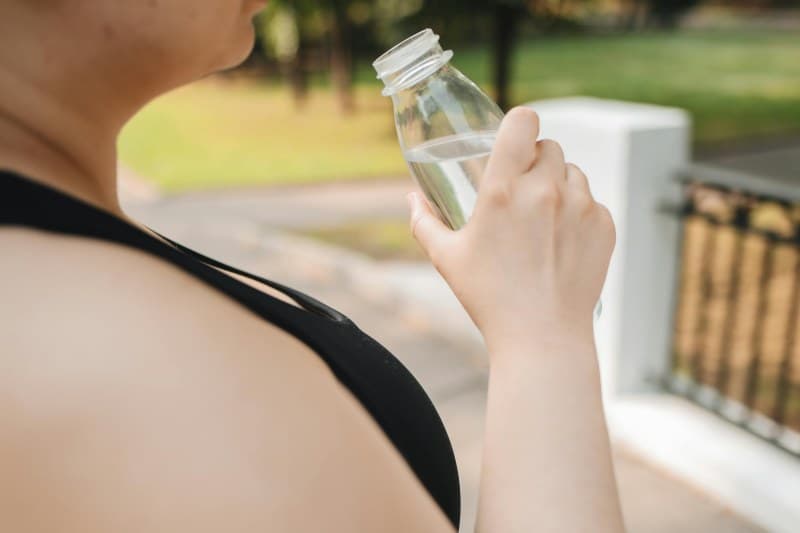
Imagine lacing up your running shoes for a morning jog. You feel energized, but halfway through, your legs start to feel heavy, your mouth is dry, and you can’t catch your breath. Chances are, dehydration is to blame. Hydration isn’t just about drinking water—it’s a key factor in how well your body performs during exercise.
How Hydration Fuels Your Workout
Every cell in your body needs water to function, especially during physical activity. Water helps regulate your body temperature (sweating is your body’s way of cooling down), transports oxygen and nutrients to your muscles, and removes waste products like lactic acid. Even a 2% loss of body weight from water can lead to decreased performance, fatigue, and cramping.
"Water is the driving force of all nature." – Leonardo da Vinci
Da Vinci’s words ring true for exercise too. Without enough water, your body can’t operate at its best—just like a car can’t run without fuel.
6 Key Impacts of Dehydration on Exercise
- 💡 Reduced endurance: Dehydration makes it harder to keep going, so you tire faster.
- 💡 Muscle cramps: Lack of water disrupts electrolyte balance, leading to painful cramps.
- 💡 Slower reaction time: Dehydration affects brain function, making it harder to focus or react quickly.
- 💡 Overheating: Without enough water to sweat, your body can overheat, increasing the risk of heat exhaustion.
- 💡 Decreased strength: Muscles need water to contract properly, so dehydration reduces your power.
- 💡 Impaired recovery: Water helps repair muscle tissue after workouts—dehydration slows this process.
Myths vs. Facts: Hydration for Workouts
Let’s bust some common myths:
- Myth: Thirst is a sign you’re already dehydrated. Fact: Thirst is your body’s way of telling you to drink—while it’s better to drink before you’re thirsty, it’s not too late to rehydrate.
- Myth: Sports drinks are necessary for all workouts. Fact: For workouts under 60 minutes, water is usually enough. Sports drinks are helpful for longer sessions (over 90 minutes) to replace electrolytes.
- Myth: You should drink as much water as possible during workouts. Fact: Overhydration can be dangerous (hyponatremia). Listen to your body and drink when you’re thirsty.
Hydration Options: Which Is Right for You?
Here’s a quick comparison of common hydration choices:
| Option | Best For | Pros | Cons |
|---|---|---|---|
| Water | Short workouts (under 60 mins) | Cheap, no added sugars, easy to access | Doesn’t replace electrolytes |
| Sports Drinks | Long workouts (over 90 mins) | Replenishes electrolytes and carbs | High in sugar, expensive |
| Coconut Water | Moderate workouts (60-90 mins) | Natural electrolytes, low sugar | More expensive than water, less carbs than sports drinks |
Practical Hydration Tips for Workouts
Stay on top of your hydration with these easy tips:
- Drink 1-2 cups of water 1-2 hours before your workout.
- Sip water every 15-20 minutes during your workout (about ½ to 1 cup).
- After your workout, drink 2-3 cups of water for every pound lost (weigh yourself before and after to estimate).
- Add a pinch of salt to your water if you’re sweating heavily (to replace electrolytes).
FAQ: Your Hydration Questions Answered
Q: Can I drink too much water during a workout?
A: Yes. Overhydration (hyponatremia) occurs when you drink more water than your body can excrete, diluting the sodium in your blood. Symptoms include nausea, headache, and confusion. Stick to drinking when you’re thirsty and avoid chugging large amounts at once.
Remember, hydration is a personal thing—what works for one person might not work for another. Pay attention to your body’s signals, and adjust your water intake accordingly. With the right hydration, you’ll be able to perform your best and enjoy your workouts more.