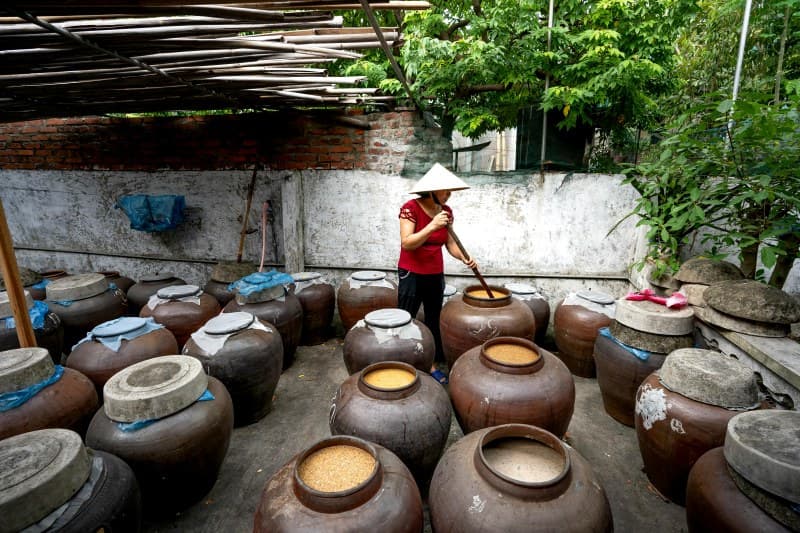
Last summer, my friend Mia tried to make sauerkraut for the first time. She followed a recipe but left the jar in direct sunlight, thinking it would speed up the process. A week later, it smelled like rotten cabbage instead of tangy sauerkraut. She thought fermentation was too hard—until she learned she’d fallen for a common myth: sunlight helps fermentation. Spoiler: It doesn’t. Fermentation is simpler than you think, once you know the basics.
What is fermentation, anyway?
At its core, fermentation is nature’s way of preserving food. Microbes like bacteria and yeast break down carbohydrates (sugars and starches) into acids or alcohol. This process not only keeps food from spoiling but also adds depth of flavor—think the tang of kimchi, the fizz of kombucha, or the creaminess of yogurt.
Key types of fermentation: A quick comparison
Not all fermentation is the same. Here’s how three common types stack up for home cooks:
| Type | What It Does | Common Foods | Beginner Difficulty |
|---|---|---|---|
| Lacto-fermentation | Bacteria turn sugars into lactic acid (preserves and tangifies) | Sauerkraut, kimchi, pickles | Easy (no special tools needed) |
| Alcoholic fermentation | Yeast convert sugars to alcohol and CO2 | Beer, wine, sourdough starter | Moderate (needs temperature control) |
| Acetic acid fermentation | Bacteria turn alcohol into vinegar | Apple cider vinegar, balsamic vinegar | Easy to moderate (requires air flow) |
7 myths about fermentation (debunked)
- Myth 1: Fermentation is dangerous. Most fermented foods are safe if you use clean tools and keep the food submerged in liquid (to prevent mold).
- Myth 2: You need fancy equipment. A mason jar and a weight (like a smaller jar) work for most lacto-fermented foods.
- Myth 3: It takes weeks to get results. Sauerkraut can be ready in 3-5 days at room temperature.
- Myth 4: Fermented food must taste sour. Some, like sourdough bread, have subtle tang—others, like miso, are umami-rich.
- Myth 5: You need a starter culture. Many foods (sauerkraut, pickles) use natural bacteria on veggies—no starter needed.
- Myth 6: Fermentation only works in cold climates. It works at room temperature (60-75°F is ideal).
- Myth 7: Mold means it’s ruined. If mold is on the surface (not submerged), scrape it off—if the liquid smells normal, it’s still good.
A word from the experts
Fermentation is a conversation between you and the microbes. It’s not about control—it’s about collaboration.
This line from Sandor Katz, author of The Art of Fermentation, sums up why fermentation feels so magical. It’s not just a cooking technique; it’s a way to work with nature instead of against it.
Beginner tips to get started
Ready to try fermentation? Here are three easy steps:
- Start small: Make sauerkraut (shred cabbage, add salt, pack into a jar, weigh down).
- Keep it dark: Store jars in a cupboard (sunlight kills beneficial bacteria).
- Check daily: Ensure veggies are submerged—add more brine if needed.
FAQ: Your burning questions answered
Q: Can I ferment food in plastic containers?
A: Yes, but glass is better—plastic can absorb odors and stains. If using plastic, make sure it’s food-grade and BPA-free.
Q: How do I know when my ferment is ready?
A: Taste it! Sauerkraut should be tangy, kimchi spicy and sour. If it smells off (like rotten eggs), toss it.
Whether you’re making sauerkraut or kombucha, fermentation is a fun, low-cost way to add flavor and nutrition to your meals. Don’t let myths hold you back—give it a try!