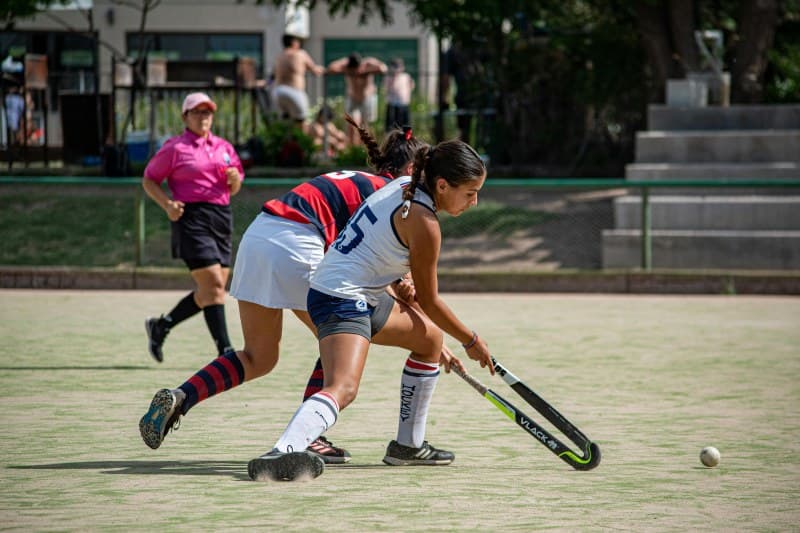
Lila tried three sports in six months: running (soreness after every session), gym weights (staring at walls while lifting), and then casual volleyball. The third one stuck—because she didn’t just pick a sport; she picked an activity that fit her love of laughing with friends. If you’re a beginner wondering how to find your fit, you’re not alone. Let’s break down 6 ways to choose a sport you’ll actually stick with.
6 Ways to Pick Your Perfect Sport
Each way has its own vibe—let’s dive in:
1. Follow Your Childhood Spark ⚡
Remember when you spent hours playing tag or shooting hoops? Revisiting those activities can feel like coming home. For example, if you loved soccer as a kid, try an adult rec league—many are low-pressure and focus on fun.
2. Go Low-Barrier First 🏃
No need for fancy gear or expensive memberships. Walking, bodyweight exercises, or yoga at home are easy to start. You can even use a chair for yoga props—no extra cost.
3. Join a Social Crew 🤝
Team sports like volleyball, kickball, or ultimate frisbee turn workouts into social events. Lila’s volleyball team meets for coffee after games—so she’s not just exercising; she’s making friends.
4. Try the Unexpected 🌊
Ever wanted to try rock climbing or paddleboarding? Novelty can keep you motivated. My cousin tried pickleball on a whim and now plays three times a week—she says the learning curve is fun, not frustrating.
5. Match to Your Schedule ⏰
If you have 15 minutes a day, pick a sport you can do quickly (like jumping rope). If you have an hour once a week, try a dance class or martial arts. No need to force a schedule that doesn’t fit.
6. Focus on Your Goals 💪
Want to build strength? Try weightlifting or bodyweight training. Need to reduce stress? Yoga or swimming might be better. Aligning your sport with your goals keeps you motivated.
Let’s compare these 6 ways side by side to help you decide:
| Way | Effort Level (1-5) | Fun Factor (1-5) | Pros | Cons |
|---|---|---|---|---|
| Childhood Spark | 3 | 4 | Familiar, nostalgic, easy to get into | Might feel outdated if interests changed |
| Low-Barrier | 2 | 3 | No cost, flexible, minimal gear | May lack excitement for some |
| Social Crew | 3 | 5 | Builds friendships, accountability | Depends on team dynamics |
| Unexpected Sport | 4 | 5 | Novel, challenges you, fun learning curve | May require gear or classes |
| Schedule Match | 2 | 3 | Easy to stick to, no time stress | Might not align with long-term goals |
| Goal Focused | 4 | 4 | Targets specific health needs | Can feel like a chore if not enjoyable |
A Timeless Tip for Choosing Well
“Choose a job you love, and you will never have to work a day in your life.” — Confucius
This applies to sports too. If you pick an activity you enjoy, it won’t feel like a chore. Lila’s volleyball games feel like a weekly party, not a workout—so she never skips them.
FAQ: Common Question for Newbies
Q: I’m worried I’m not good enough to join a team—what should I do?
A: Most rec leagues are designed for beginners! Look for leagues labeled “casual,” “social,” or “beginner-friendly.” For example, Lila’s volleyball team has a rule: no keeping score for the first month. The focus is on learning and having fun, not winning. You can also try group classes (like yoga or kickboxing) where everyone is new—no one will judge you.
Final Tips to Keep Going
- Give it time: It takes 2-3 weeks to form a habit—don’t quit after one session.
- Track small wins: Did you walk an extra 10 minutes? Or hit a volleyball over the net for the first time? Celebrate those!
- Be flexible: If a sport isn’t working, switch! There’s no shame in trying something new.
Finding the right sport isn’t about being the best—it’s about finding something that makes you look forward to moving. Whether you pick volleyball, yoga, or walking, the key is to enjoy the journey. So grab a friend, try something new, and see where it takes you.