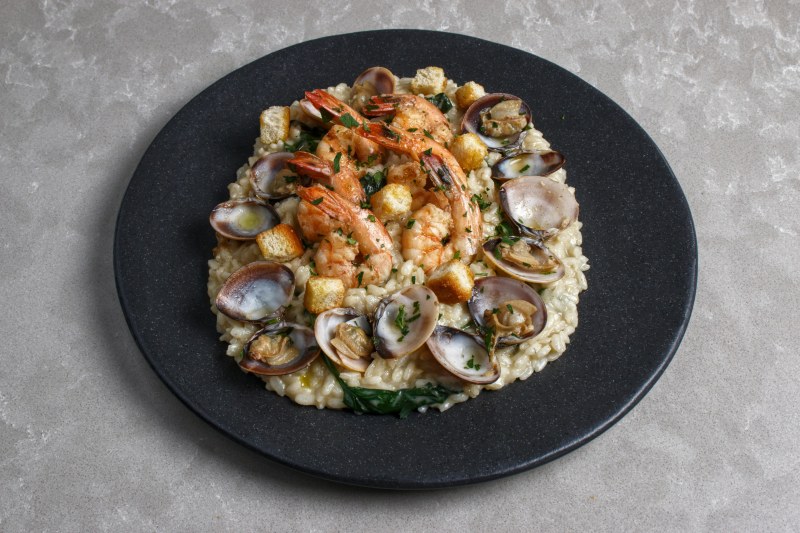
We’ve all been there: pasta that’s either mushy, undercooked, or won’t stick to the sauce. But making perfect pasta doesn’t have to be a guessing game. Whether you’re a beginner or a seasoned cook, these 7 methods will help you nail that ideal al dente texture every time.
Why Pasta Perfection Matters
Pasta’s texture is everything. Al dente (meaning “to the tooth” in Italian) isn’t just a fancy term—it’s the sweet spot where pasta is firm but not crunchy, and it holds onto sauce like a dream. Overcooked pasta turns into a soggy mess, while undercooked pasta can ruin an otherwise great dish.
The 7 Ways to Make Perfect Pasta
Let’s dive into the methods, starting with the most common:
- Classic Salted Boiling Water: The gold standard for most pasta types.
- Cold Water Start: A trick for even cooking with less stirring.
- One-Pot Pasta: Minimal cleanup, maximum flavor.
- Oven-Baked Pasta: For cheesy, comforting dishes like baked ziti.
- Pressure Cooker Pasta: Fast, no-boil option for busy days.
- Pan-Fried Pasta: A leftover hack to make crispy, flavorful meals.
- Fresh Pasta from Scratch: For that homemade, tender texture.
Comparison of Top 3 Methods
Here’s a quick breakdown of the three most popular methods to help you choose:
| Method | Time (per pound) | Tools Needed | Pros | Cons |
|---|---|---|---|---|
| Classic Boiling | 10-15 mins | Large pot, colander | Consistent al dente, works for all pasta | More cleanup, needs stirring |
| One-Pot | 15-20 mins | Large pot (no colander) | Less cleanup, flavors meld together | Risk of overcooking if liquid evaporates |
| Cold Water Start | 15-20 mins | Large pot, colander | Even cooking, less stirring | Slower than boiling start |
Pro Tips for Each Method
Classic Boiling
Use 4-6 quarts of water per pound of pasta—crowding leads to sticking. Add salt until the water tastes like seawater (about 1 tbsp per quart). Stir once when adding pasta, then occasionally after. Reserve ½ cup of starchy water before draining to thin sauces.
One-Pot Pasta
Combine pasta, broth/water (1.5 cups per cup of pasta), veggies, and seasonings in a pot. Bring to a boil, then simmer on low until pasta absorbs liquid. Add cheese or cream at the end for extra richness.
Cold Water Start
Place pasta and cold water (enough to cover by 1 inch) in a pot. Add salt and bring to a boil. The slow heat helps pasta cook evenly without sticking—no need to stir as much.
Myths to Skip
- Myth: Adding oil to water prevents sticking. Truth: It makes sauce slide off pasta. Stirring once is better.
- Myth: Rinsing pasta after draining is necessary. Truth: Only do this for cold salads—rinsing removes starch that helps sauce stick.
- Myth: Fresh pasta takes longer to cook. Truth: Fresh pasta cooks in 2-3 mins—don’t overdo it!
“The only way to make good pasta is to cook it in a lot of water.” — Julia Child
Shape & Sauce Pairing
Pairing the right pasta shape with your sauce makes all the difference:
- Long strands (spaghetti, linguine): Smooth sauces like marinara or pesto.
- Short shapes (penne, fusilli): Chunky sauces like bolognese or vegetable ragù.
- Stuffed pasta (ravioli, tortellini): Light sauces like butter and sage or a simple tomato sauce.
With these methods and tips, you’ll be making restaurant-worthy pasta in no time. Experiment with different techniques to find what works best for your favorite dishes!