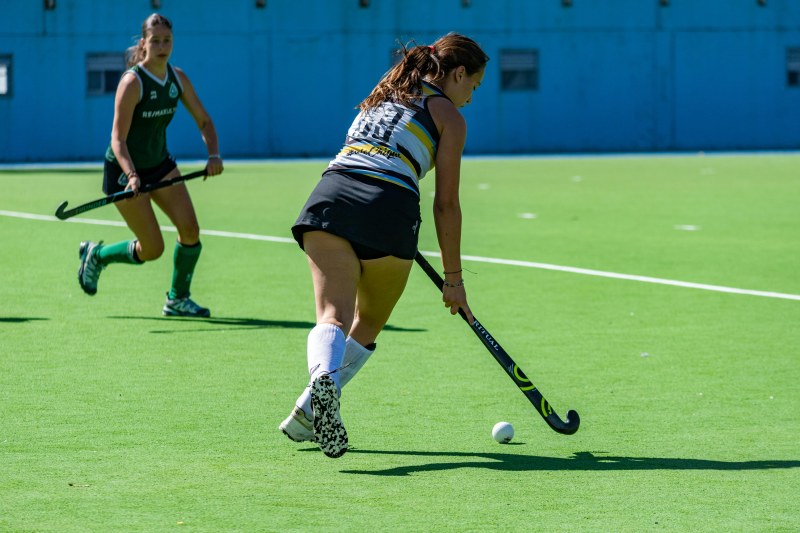
Ever stood in a sports store, staring at rows of shiny gear, wondering if you’re about to waste money on something you’ll never use? You’re not alone. For beginners, picking the right sports gear can feel overwhelming—especially when you don’t want to blow your budget. But there are smart ways to get what you need without breaking the bank. Let’s dive into 6 practical methods that work for almost any sport.
6 Ways to Get Sports Gear Without Overspending
1. Borrow from Friends or Family
Borrowing gear from people you know is the cheapest way to test a sport. If your sibling plays tennis, ask to borrow their old racket for a week. Or if a friend loves hiking, use their extra backpack. You get to try the sport without any financial risk.
2. Buy Secondhand
Thrift stores, online marketplaces like Facebook Marketplace, or local sports swap groups are goldmines for affordable gear. Look for items in good condition—like a gently used yoga mat or a pair of running shoes with minimal wear. Just make sure to inspect before buying!
3. Rent Gear Short-Term
Many sports shops or studios offer gear rental. For example, if you want to try skiing, rent skis and boots for a day instead of buying. This is perfect for sports you might not do regularly (like surfing or rock climbing).
4. Start with Entry-Level Multi-Purpose Gear
Instead of splurging on specialized gear, pick entry-level items that work for multiple sports. A basic pair of cross-training shoes can be used for running, gym workouts, and even dance classes. They’re cheaper and more versatile.
5. Join Gear Swap Events
Local community centers or sports clubs often host gear swaps. Bring items you don’t use anymore (like an old basketball) and trade for something you need (like a soccer ball). It’s a fun way to get new gear for free or very little cost.
6. Use Community Program Gear Loans
Many cities have programs that loan sports gear to residents. Check your local park district or YMCA—they might have bikes, tennis rackets, or even camping gear available for free or a small fee.
Method Comparison: Which One Is Right for You?
Here’s a quick breakdown of each method to help you decide:
| Method | Cost (1=Lowest,5=Highest) | Time to Acquire | Top Pros | Main Cons |
|---|---|---|---|---|
| Borrow from Friends/Family | 1 | Fast (same day) | No cost, trusted source | Limited selection, may need to return quickly |
| Buy Secondhand | 2 | 1-3 days (searching) | Affordable, wide selection | Need to inspect for wear, no warranty |
| Rent Gear | 3 | Same day (if shop is nearby) | No long-term commitment, access to high-quality gear | Cost adds up over time, limited to rental period |
| Entry-Level Multi-Purpose | 3 | Same day (store purchase) | Versatile, long-lasting | Not specialized for advanced use |
| Gear Swap Events | 1-2 | Depends on event schedule | Free/cheap, eco-friendly | Limited to what’s available at the event |
| Community Program Loans | 1 | 1-2 days (sign-up process) | Free/very low cost, safe and reliable | Limited availability, may have return deadlines |
Key Mistakes to Avoid
Even with these methods, there are a few pitfalls to watch out for:
- Ignoring fit: A running shoe that’s too big can cause blisters, so always try gear on if possible.
- Buying broken gear: For secondhand items, check for cracks, frayed straps, or loose parts before paying.
- Overbuying: Don’t get tempted by extra gear you don’t need (like a fancy water bottle when a regular one works).
Example Scenario: Starting Hiking
Let’s say you want to try hiking. Here’s how you could use these methods: First, borrow a backpack and hiking boots from a friend (method1) to test a short trail. If you love it, buy a secondhand water bottle and hat (method2). For longer trails, rent a tent (method3) before investing in your own. This way, you spend minimal money until you’re sure hiking is for you.
Remember, the goal is to get started without stressing about cost. Pick the method that fits your needs and budget, and enjoy the sport!