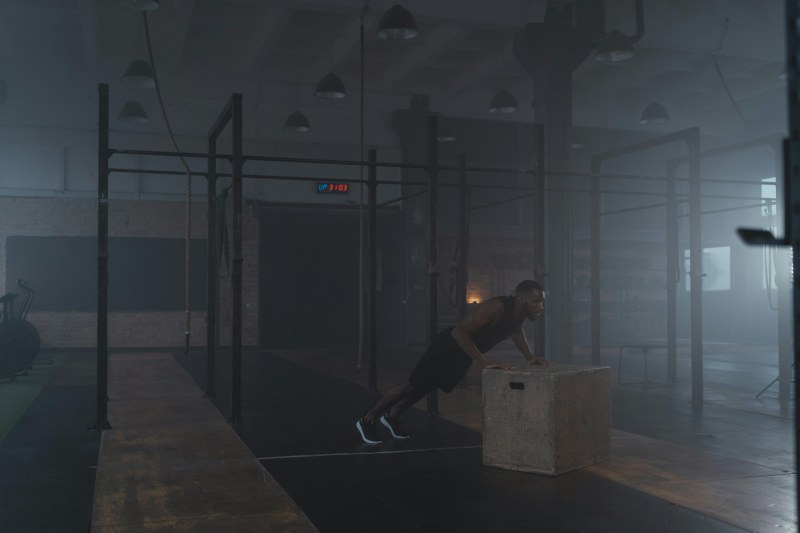
Last month, my friend Jake walked into his first CrossFit class and froze when he saw the WOD (Workout of the Day): 10 pull-ups, 20 push-ups, 30 squats, and a 400m run. He’d never done a pull-up in his life. But his coach didn’t send him home—she scaled the workout: a resistance band for pull-ups, knee push-ups, and a 200m walk. Jake finished, and left feeling proud. That’s the magic of CrossFit scaling.
What Is CrossFit Scaling?
Scaling is the process of adjusting a CrossFit workout to fit your current fitness level, injury status, or goals. It’s not about making the workout “easier” — it’s about making it doable while still challenging your body. Whether you’re a beginner, recovering from an injury, or a seasoned athlete looking to avoid burnout, scaling helps you get the most out of every session.
2 Key Scaling Approaches: A Comparison
There are two main ways to scale a CrossFit workout. Here’s how they stack up:
| Approach | Core Idea | Example | Ideal Scenario |
|---|---|---|---|
| Load Scaling | Adjust weight, reps, or duration to match your capacity | Using a 10lb dumbbell instead of 20lb for overhead presses; doing 5 pull-ups instead of 10 | You can perform the movement correctly but need to reduce intensity |
| Movement Modification | Swap the exercise for a simpler or lower-impact alternative | Replacing pull-ups with band-assisted pull-ups; knee push-ups instead of full push-ups | You can’t do the original movement (due to form, injury, or fitness level) |
Common Myths About Scaling Debunked
Myth 1: Scaling is cheating
Absolutely not! CrossFit’s founder, Greg Glassman, emphasized that the workout’s stimulus should be personal. Scaling ensures you’re working within your limits to build strength and endurance without risking injury. Think of it like training wheels on a bike—they help you learn until you’re ready to go without them.
Myth 2: Only beginners need to scale
Even elite CrossFit athletes scale workouts. For example, a pro might scale a heavy lifting session if they’re recovering from a minor injury, or reduce reps to focus on form. Scaling is for everyone, regardless of skill level.
“Adapt or perish, now as ever, is nature's inexorable imperative.” — H.G. Wells
This line rings true in CrossFit too. Scaling isn’t a sign of weakness—it’s adapting the workout to your body so you can keep growing without getting hurt. It’s the smart way to progress.
Practical Tips for Scaling Your WOD
- Communicate with your coach: They know your abilities and can suggest the best scaling options.
- Start small: Don’t try to do the full workout on your first day. Scale down, then gradually increase intensity as you get stronger.
- Track your progress: Note which scaling options you use each session. Over time, you’ll see when you’re ready to try the original movement or increase weight.
Your Scaling Questions Answered
Q: How do I know when to scale a movement?
A: If an exercise causes sharp pain (not muscle burn), if you can’t maintain good form, or if you’re gasping for air before finishing half the reps, it’s time to scale. Your coach is there to help—don’t be afraid to ask!
Q: Can I scale a workout even if I’m not injured?
A: Yes! Scaling is for anyone who needs to adjust the workout to their current fitness level. For example, if you’re new to squats, you might use a box to support your form until you build strength.
CrossFit scaling is all about making fitness accessible to everyone. Whether you’re just starting out or a seasoned athlete, it’s the key to staying consistent and avoiding burnout. So next time you see a WOD that looks intimidating, remember: scaling isn’t a setback—it’s a step forward.