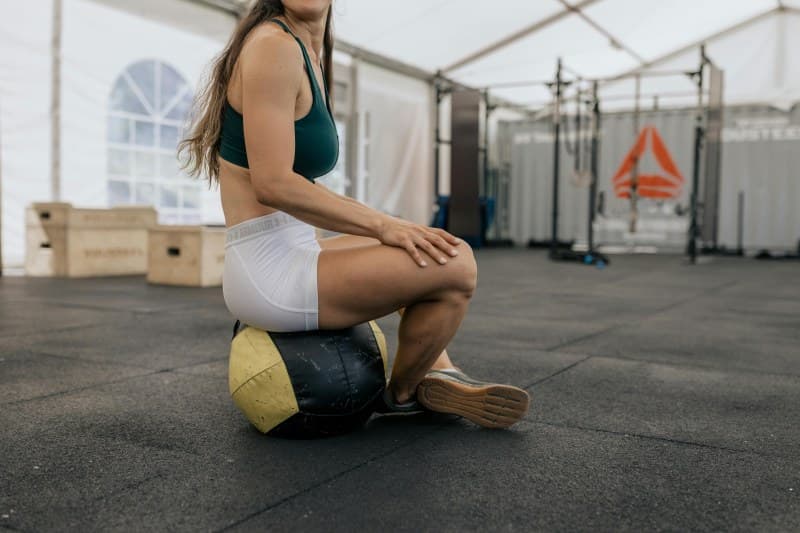
Let’s start with Sarah: a 32-year-old weekend soccer player who’d been dealing with persistent shin splints and feeling winded mid-game. She tried resting more, but the issues stuck—until a friend suggested adding yoga and cycling to her routine. Within a month, her shin pain faded, and she could run longer without getting tired. That’s cross-training in action, and it’s not just for pros.
What Is Cross-Training for Casual Athletes?
Cross-training means mixing different types of exercises into your routine instead of focusing only on your main sport. For example, if you play basketball, adding swimming or strength training helps work muscles you don’t use as much in hoops, like your back or shoulders. It’s about building overall fitness to support your favorite activity.
5 Key Benefits of Cross-Training (Plus Quick Ways to Try)
Here’s how cross-training can make a difference for casual athletes:
| Benefit | What It Does | Quick Way to Try |
|---|---|---|
| Reduces Injury Risk 💪 | Prevents overuse injuries (like Sarah’s shin splints) by distributing stress across different muscles. | Add 10 mins of leg stretches + planks after your soccer game. |
| Boosts Endurance ⚡ | Improves cardiovascular health beyond your sport, so you can keep going longer. | Swap one run for a 20-minute cycling session once a week. |
| Enhances Strength | Builds muscles that your main sport neglects (e.g., core for runners). | Do 15 bodyweight squats + push-ups 2x/week. |
| Breaks Monotony | Keeps workouts fun and prevents burnout from doing the same thing daily. | Try a dance class or hike instead of your usual gym session. |
| Improves Flexibility 🧘 | Increases range of motion, making movements in your sport smoother (like a golf swing). | Do 15 mins of yoga 3x/week (focus on hip openers). |
Common Cross-Training Myths Debunked
Let’s set the record straight on some false beliefs:
- Myth: Cross-training will make me worse at my main sport.
Truth: It complements your sport by filling fitness gaps. For example, a runner who does strength training will have better form and less fatigue. - Myth: I need fancy equipment to cross-train.
Truth: Bodyweight exercises (squats, lunges) or simple tools like resistance bands work great. - Myth: I have to spend hours cross-training.
Truth: Even 15-20 minutes a few times a week can make a big difference.
Practical Tips to Start Cross-Training
Ready to give it a go? Here’s how to ease in:
- Pick activities you enjoy—if you hate swimming, don’t force it! Try hiking or dance instead.
- Start small: Add one cross-training session a week, then gradually increase.
- Schedule it: Block time in your calendar so it doesn’t get skipped.
- Listen to your body: If something hurts, stop and adjust. Cross-training should help, not harm.
Q&A: Your Cross-Training Questions Answered
Q: Can cross-training replace my main sport?
A: No—cross-training is a supplement, not a replacement. Your main sport should still be the focus; cross-training adds to it by improving overall fitness.
“Variety is the spice of life.” — William Cowper
This old proverb sums up cross-training perfectly. Mixing up your routine keeps workouts fresh, helps you avoid plateaus, and makes staying active fun. Whether you’re a weekend golfer, a casual runner, or a pickup basketball player, cross-training can help you enjoy your sport more and perform better.