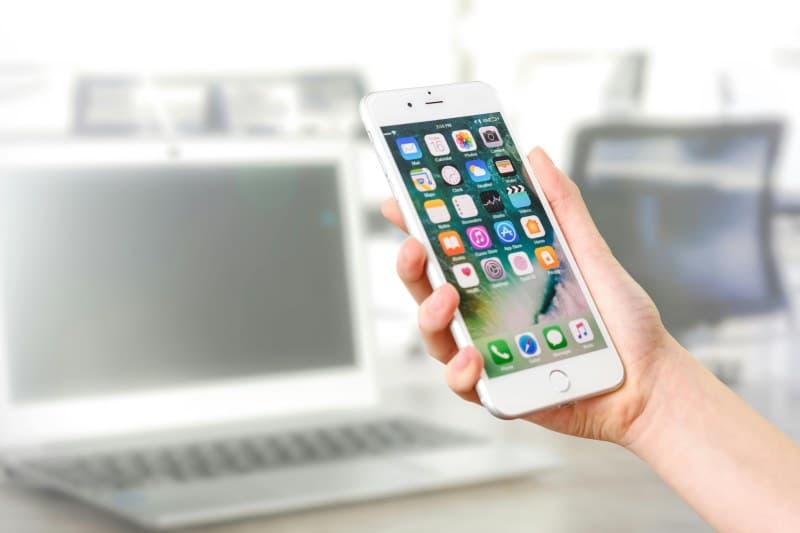
We’ve all been there: mid-work, mid-conversation, mid-meal—suddenly, your phone pings. You glance down, even if you know it’s just a social media like. Why do app notifications have such a hold on us? Let’s break down the science, tricks, and myths behind those little alerts.
Why That Ping Gets You Every Time
Notifications tap into our brain’s love of novelty and reward. Every alert is a potential surprise—good news, a message from a friend, or a sale. Our brains are wired to seek these rewards, so we can’t help but check. A 2021 study found that the average person checks their phone 96 times a day, mostly in response to notifications.
“Attention is the rarest and purest form of generosity.” — Simone Weil
This quote reminds us: every time we let a notification pull our attention away, we’re giving away a piece of our focus. Understanding how notifications work helps us be more intentional with that generosity.
7 Key Components of App Notifications
Not all notifications are created equal. Developers use specific tools to make their alerts stand out. Here are the 7 most common:
- Sound cues: Unique tones (like a Facebook ping or Instagram chime) trigger immediate recognition.
- Banner text: Short, scannable messages that tell you what’s up without opening the app.
- Badge icons: Little red numbers on app icons that create a sense of “unfinished business.”
- Personalization: Using your name or past behavior (e.g., “Your favorite coffee shop has a deal!”) makes alerts feel relevant.
- Urgency: Words like “Hurry!” or “Expires soon” push you to act fast.
- Social proof: “5 friends liked your photo” makes you want to join the conversation.
- Timing: Sending alerts when you’re most likely to be free (like after work) increases engagement.
Types of Notifications: A Quick Comparison
Here’s how three common notification types stack up:
| Type | Purpose | Example | Distraction Level |
|---|---|---|---|
| Urgent | Alert you to time-sensitive info | “Your ride is 2 minutes away!” (Uber) | High (needs immediate action) |
| Informative | Share updates without urgency | “Your package was delivered” (Amazon) | Medium (can wait, but you want to know) |
| Promotional | Drive sales or engagement | “20% off your next order—today only!” (Starbucks) | Low (optional, but tempting) |
Common Myths About Notifications (Debunked)
Let’s set the record straight on a few popular beliefs:
- Myth: Turning off all notifications is the only way to stay focused.
Truth: You can customize notifications—keep urgent ones (like medical alerts) and mute promotional ones. - Myth: Notifications are always bad for productivity.
Truth: Useful notifications (like calendar reminders) can help you stay on track. - Myth: Apps can send notifications even if you disable them.
Truth: On most devices, you have full control—if you disable notifications for an app, it can’t ping you.
Real-Life Example: How a Fitness App Uses Notifications
Let’s say you use a fitness app to track your runs. Here’s how it might use notifications to keep you engaged:
1. Pre-run reminder: “Time to lace up—your 5K training plan is waiting!” (timing + personalization).
2. Mid-run encouragement: “You’re halfway there—keep going!” (urgency + progress tracking).
3. Post-run celebration: “Great job! You beat your personal best by 1 minute!” (reward + personalization).
These notifications work because they’re tailored to your goals and make you feel accomplished.
FAQ: Can I Make Notifications Less Distracting?
Q: I don’t want to turn off all notifications, but they’re still distracting. What can I do?
A: Try these tricks:
1. Use “Do Not Disturb” mode during work or sleep hours.
2. Group notifications by app so you can check them in batches.
3. Turn off badge icons for apps that don’t need your immediate attention.
4. For promotional notifications, set a specific time (like once a week) to review them instead of checking every time.
Take Back Your Focus
Notifications are a tool—they can help or hinder, depending on how you use them. By understanding their tricks and customizing your settings, you can make them work for you instead of against you. Next time your phone pings, ask yourself: Is this worth my attention?