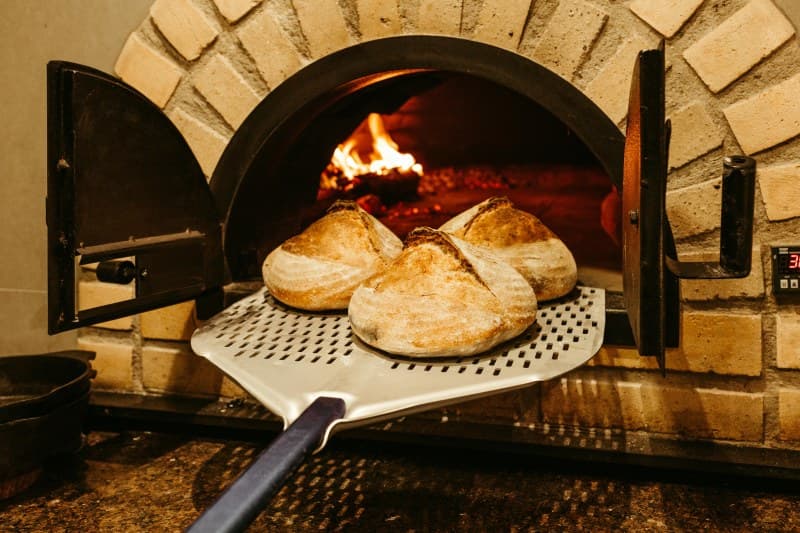
Last month, my neighbor Sarah threw out her sourdough starter in frustration. She’d spent a week feeding it every 12 hours, even setting alarms for 2 AM, but it still smelled like alcohol. She thought it was “dead”—but it was just hungry. That’s the thing about sourdough: myths often stand between bakers and their perfect loaf.
What Is a Sourdough Starter, Anyway? 🍞
A sourdough starter is a living mix of flour and water that ferments over time. It houses wild yeast and lactic acid bacteria, which work together to leaven bread and give it that tangy, complex flavor. Think of it as your bread’s “engine”—no commercial yeast needed.
7 Common Sourdough Starter Myths (And The Truth)
Let’s bust some of the most persistent myths with a quick comparison:
| Myth | Fact |
|---|---|
| You need special flour to start | Any all-purpose or whole grain flour works—rye flour even speeds up fermentation! |
| Starter must be fed every 12 hours | Refrigerated starters only need feeding once a week (room temp ones: every 24-48 hours). |
| A gray layer means it’s dead | That’s “hooch”—a liquid byproduct of fermentation. Pour it off and feed the starter to refresh it. |
Other myths to forget:
1. Myth 4: Starter has to be bubbly every day. Truth: It can go dormant (especially in the fridge) and wake up with a feed.
2. Myth5: You need a “perfect” environment. Truth: Room temp (68-72°F) is ideal, but it adapts to cooler/warmer spaces.
3. Myth6: Starter is too old to use. Truth: Some starters are decades old—age adds flavor!
4. Myth7: You can’t travel with it. Truth: Freeze it for up to 3 months, then thaw and feed twice to revive.
Step-by-Step to Keep Your Starter Happy
Maintaining a starter is simpler than you think:
1. Feed it right: Use equal parts flour and water (by weight—e.g., 50g flour +50g water).
2. Let it rise: Leave at room temp for 4-6 hours until it doubles in size.
3. Refrigerate: If you don’t bake daily, pop it in the fridge. Feed once a week.
4. Wake it up: Before baking, take it out, feed it, and let it sit for 8-12 hours until bubbly.
Flavor Hacks to Elevate Your Starter
Want to add a twist to your bread? Try these:
• Add a tsp of honey to the feed for subtle sweetness.
• Mix in a pinch of dried rosemary or thyme for earthy notes.
• Use whole wheat flour for a nutty flavor.
• Add a splash of apple cider vinegar for extra tang.
“Good things come to those who wait.” — Proverb
This couldn’t be truer for sourdough. A starter takes 7-10 days to mature, but the wait gives it that deep, unique flavor you can’t get from commercial yeast.
Real Story: Lisa’s Sourdough Comeback
Lisa, a friend of mine, tried sourdough last year. She followed a recipe that said to feed her starter every 12 hours. After a week of late-night feeds, she was burnt out and threw it away. Later, she learned she could refrigerate it. Now, she feeds it once a week and bakes a loaf every Saturday. Her starter is 6 months old, and her bread has a crusty exterior and soft interior—perfect.
FAQ: Your Starter Questions Answered
Q: Can I use my starter if it smells like vinegar?
A: Yes! That means it’s hungry. Feed it immediately, and the smell will disappear after a few hours.
Q: How do I know if my starter is ready to use?
A: It should double in size within 4-6 hours of feeding and have a bubbly, frothy top.
Q: Can I share my starter with friends?
A: Absolutely! Give them 100g of your active starter, and tell them to feed it with equal parts flour and water.
Sourdough starters are forgiving. Don’t let myths scare you—give it a try, and you’ll be baking delicious loaves in no time.